

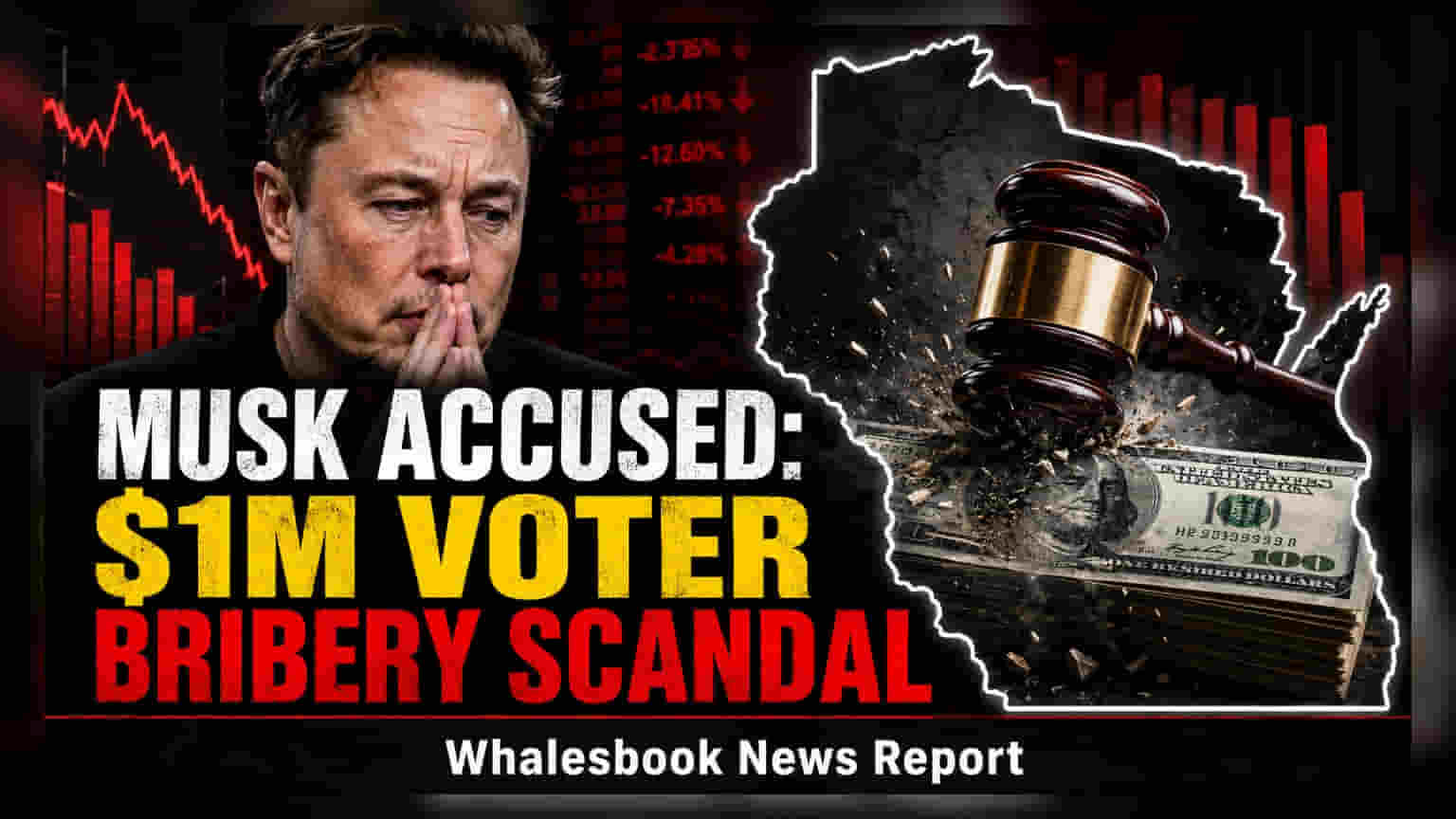
A Wisconsin bipartisan panel has found probable cause that Elon Musk may have violated state election bribery laws by offering cash incentives to voters. The case has been referred to a district attorney to determine if criminal charges will be filed. This investigation follows high-profile political spending during the 2025 state Supreme Court election.
A bipartisan panel within the Wisconsin Elections Commission has officially found probable cause to believe that Elon Musk violated state laws regarding voter incentives. The commission voted 5-1 to refer two complaints to the Brown County district attorney, David Lasee, who now has 40 days to review the evidence and decide whether to initiate criminal proceedings for alleged election bribery.
The Basis for the Legal Action
The complaints originate from allegations that Musk used financial incentives to influence turnout during the 2025 Wisconsin Supreme Court election. Specifically, social media posts reportedly promised $1 million to individuals who cast ballots in the contest. Under Wisconsin law, offering money or other items of value to induce a person to vote is strictly prohibited. The commission's motion noted that the evidence suggests these payments were directly intended to encourage participation in that specific election.
This legal development follows an intense political cycle where Musk and affiliated organizations spent significantly to influence the state's highest court. The 2025 race, which saw Republican-aligned candidate Brad Schimel defeated by Susan Crawford, set records as the most expensive judicial election in United States history, with total spending surpassing $100 million. Musk’s personal and PAC-driven involvement has faced scrutiny from multiple legal fronts, including a separate lawsuit filed by the Wisconsin Democracy Campaign, which seeks a permanent injunction against such payment programs in the state.
Business and Legal Context
For investors and observers, the situation highlights the increasing regulatory and legal risks associated with corporate leaders engaging in aggressive political funding strategies. Musk, who leads companies such as Tesla and SpaceX, has previously utilized similar tactics, including offering payments for petition signatures in various battleground states. While his legal teams have consistently argued that these initiatives are protected as free speech—intended to build opposition to specific judicial ideologies rather than advocate for candidates—the Wisconsin case centers on the narrower question of whether voter inducement occurred.
Previous legal challenges in other jurisdictions have yielded mixed results. For instance, a Pennsylvania court allowed similar petition-based incentive programs to continue during the 2024 election cycle after finding no clear evidence of an illegal lottery. However, the Wisconsin Elections Commission’s decision to move toward potential prosecution marks a distinct shift, as it focuses specifically on the intersection of cash payments and voter participation.
The next critical update for the market and observers will be the decision from the Brown County district attorney. If the office decides to proceed with charges, it could create a significant legal precedent regarding how political action committees operate in state-level elections and whether similar incentive-based campaigns will remain viable in future cycles.