 Whalesbook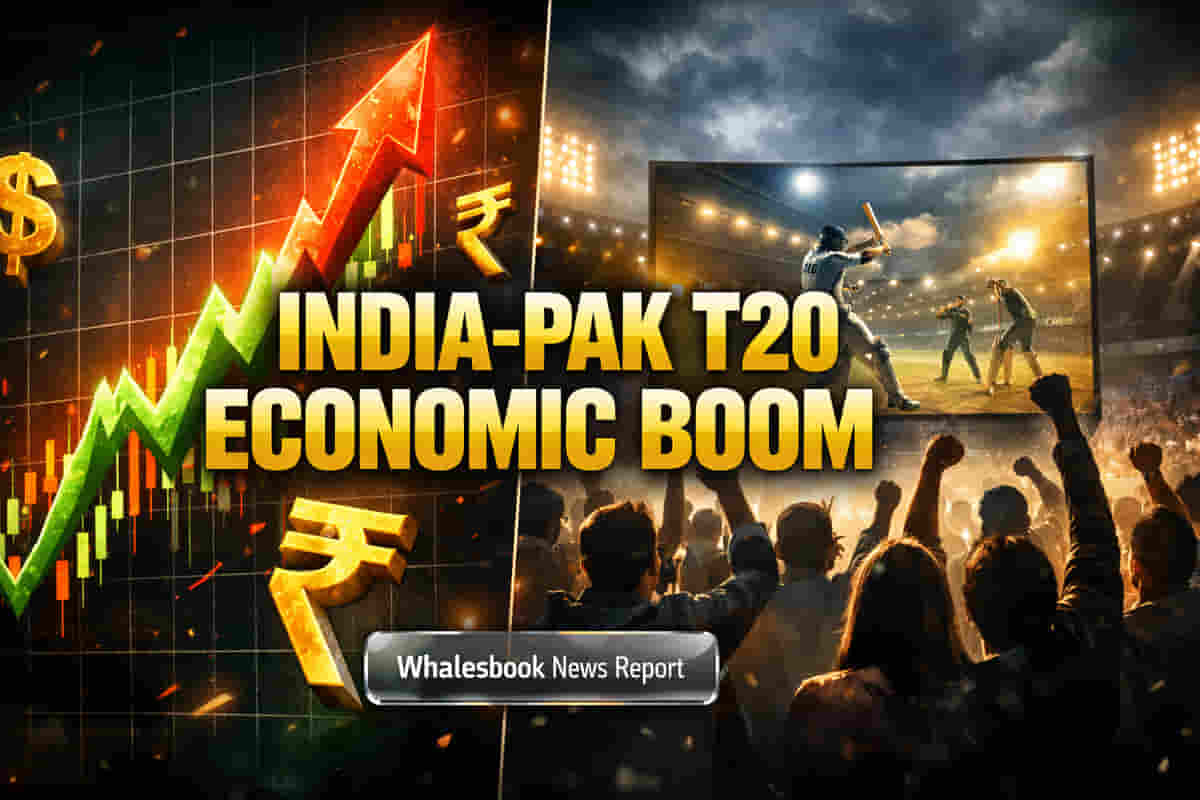


The Core Catalyst
The recent India-Pakistan T20 World Cup match has proven to be an extraordinary catalyst for economic activity, driving unprecedented demand across multiple sectors. Broadcaster JioStar saw advertising rates for 10-second TV slots skyrocket to ₹30-40 lakh, a substantial premium over typical World Cup fixtures, which usually range from ₹20-25 lakh. This surge is attributed to the 'commercial supernova' effect, amplified by Pakistan's late reversal of its boycott decision, creating scarcity in available advertising inventory. Digital platforms also witnessed a similar spike, with 10-second slots on JioHotstar reaching ₹15-20 lakh.
Beyond advertising, the event fueled a significant boost for food delivery services and quick commerce platforms. Swiggy and Zomato anticipated over a 50% increase in orders, particularly in impulse categories like snacking and beverages. Sagar Daryani, president of NRAI, predicted a 35-40% surge in delivery sales and over 20% rise in average order value due to match-day combos. Hospitality venues, including bars and clubs, more than doubled their dine-in charges for live screenings, expecting footfall to nearly double that of a regular Sunday, with higher dwell times translating into increased spending.
The Analytical Deep Dive
The financial impact of the India-Pakistan fixture is a recurring phenomenon, with ad rates historically commanding significant premiums. In 2015, a single match was estimated to generate ₹100-110 crore in advertising revenue. By 2023, 10-second spots were priced between ₹35-45 lakh, with last-minute inventory potentially reaching ₹60 lakh. The current ₹30-40 lakh rate for a 10-second TV slot signifies a consistent, escalating value placed on this rivalry. This heightened demand stems from the massive, concentrated viewership, often exceeding 150-180 million on television alone, with digital adding tens of millions more concurrent users. For advertisers, this match represents a unique opportunity to reach a captive audience that surpasses other major sporting events in India.
On the food delivery front, Zomato leads the market with approximately 55-58% share, while Swiggy holds around 42-45%. Both companies leverage major sporting events for promotional campaigns. Swiggy's 'Cheer-to-unlock' campaign exemplifies how brands integrate promotions with live match moments to drive immediate sales. Quick commerce arms like Swiggy Instamart and Zomato's Blinkit also experience significant order increases during such events.
However, the broader media rights landscape presents a complex picture. Despite the high revenue generated by individual matches, JioStar, the broadcaster, is reportedly facing financial strain and plans to exit its lucrative ICC media rights deal due to substantial losses, even as the ICC seeks new broadcasters for future cycles. This indicates potential challenges in monetizing long-term sports rights beyond peak event-driven demand, especially as real-money gaming, a significant historical advertiser in sports, has faced regulatory headwinds.
The Forensic Bear Case
The surge in ad rates and consumer spending, while substantial, is largely reactive and tied to the ephemeral nature of a single, high-stakes match. The confirmation uncertainty surrounding the India-Pakistan fixture itself amplified demand, turning a potential cancellation into a driver of commercial hype, a scenario unlikely to be replicated in more predictable events. This suggests that while such matches create short-term economic 'supernovas', they do not necessarily reflect sustainable market growth for advertising or consistent consumer behavior patterns.
Moreover, the financial precariousness of major broadcasters like JioStar, despite commanding high ad revenues for marquee events like the T20 World Cup, points to underlying issues in long-term profitability and rights management. The significant financial losses reported by JioStar on its ICC deal highlight the risk associated with inflated media rights valuations that may not be fully supported by sustained advertiser demand across all inventory. The increasing pressure on advertising budgets, possibly from shifts in advertiser categories or economic headwinds, could further strain these models. The demand for sports media rights has historically seen dramatic increases, but the recent withdrawal and financial difficulties of major players suggest a potential overvaluation or a miscalculation of long-term revenue streams, creating a fragile ecosystem despite peak event revenues.
The Future Outlook
While the India-Pakistan match provides a potent, albeit temporary, economic stimulus, the underlying trends suggest a complex future for sports advertising and consumer engagement. The market is increasingly segmenting, with digital platforms offering new targeting capabilities, yet the cost of premium inventory, especially for events like this, continues to rise, potentially impacting advertiser ROI in the long run. The success of such high-value, short-duration commercial spikes will need to be weighed against the broader economic health and strategic allocation of marketing budgets by major brands across different sectors.