

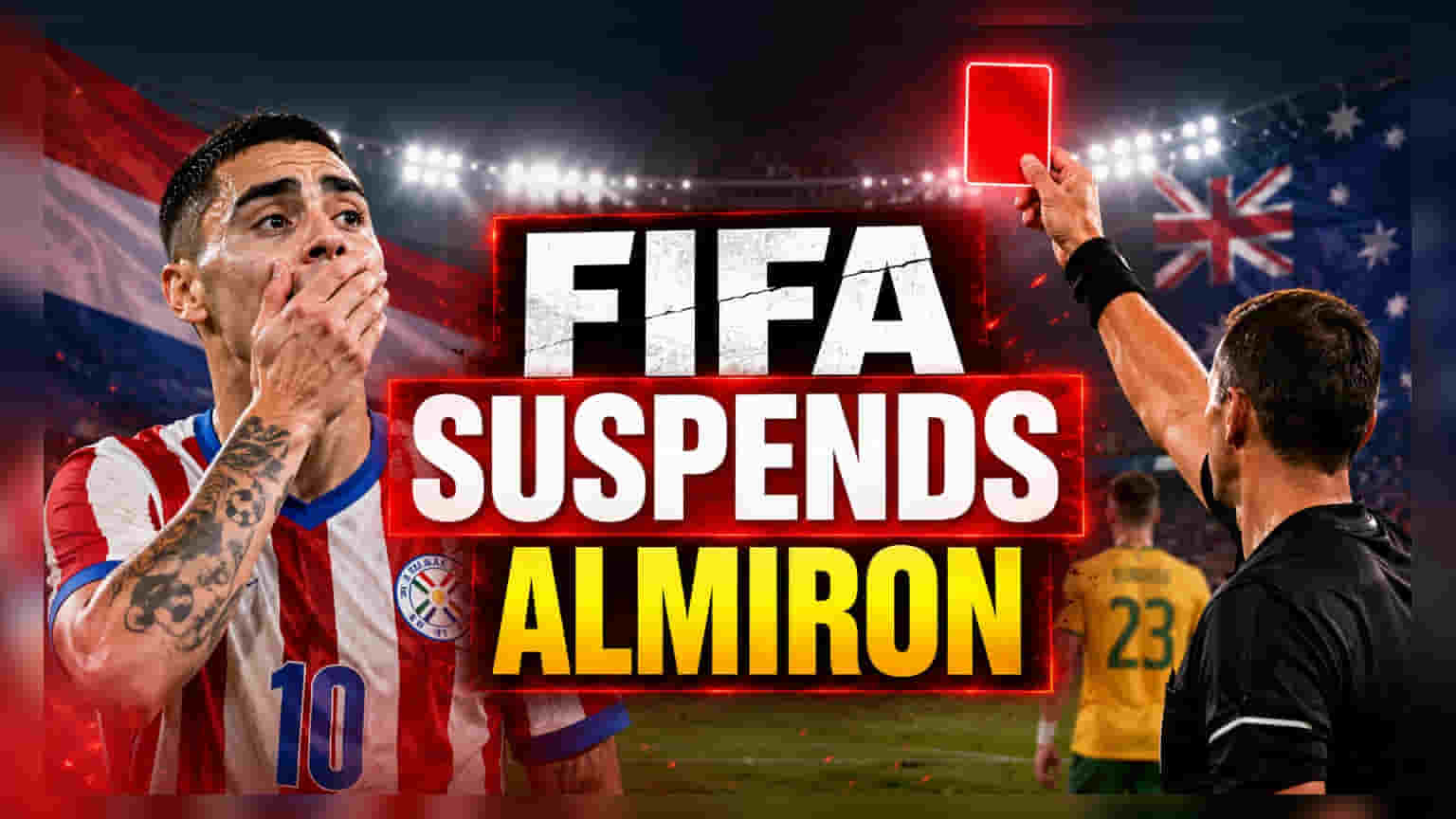
Paraguay midfielder Miguel Almiron has received a one-match suspension at the FIFA World Cup 2026 for covering his mouth during a match. This is the first enforcement of FIFA's new transparency directive. The development highlights a shift toward stricter on-field conduct regulations and the evolving compliance landscape in global professional sports.
What Happened
Paraguay midfielder Miguel Almiron will miss his team’s final group stage match against Australia following a one-match suspension handed down by FIFA. The sanction stems from a red card issued during Paraguay’s 1-0 victory over Turkiye last Friday. Almiron was penalized for covering his mouth while speaking to an opponent, an action that breached the newly implemented transparency directives aimed at curbing hidden verbal exchanges on the pitch.
FIFA confirmed that the decision is final and not subject to appeal, underscoring the organization's commitment to enforcing its updated conduct standards during the 2026 tournament.
The Shift Toward Transparency
This ruling marks the first time FIFA has issued a red card for this specific offense at a World Cup. The directive, supported by FIFA President Gianni Infantino, is designed to ensure clarity and professional conduct during gameplay. The regulation was initially brought into focus following an incident involving Benfica player Gianluca Prestianni last season, where the player was banned for concealing verbal insults.
Football’s rule-making body, the International Football Association Board (IFAB), approved the potential for such disciplinary actions in April. FIFA chose to adopt these protocols for the 2026 World Cup to elevate on-field transparency and align player behavior with global professional standards.
Implications for Sports Governance
From a regulatory standpoint, the enforcement of these rules signals a broader trend in sports governance. Just as corporate entities face increasing pressure to maintain high levels of disclosure and ethical transparency, professional sports leagues are implementing stricter policies to manage brand risk.
For sponsors and commercial partners, the on-field behavior of athletes is increasingly linked to contract compliance. Increased regulatory oversight by FIFA helps mitigate potential reputational risks, ensuring that the 'product'—in this case, a global sporting event—adheres to values of fairness and accountability.
Compliance and Media Risks
The incident also shed light on risks associated with media coverage and broadcasting ethics. Following the match, commentator Jorge Chipi Vera had his World Cup credentials revoked after using offensive language against FIFA officials and the referee during his broadcast.
This incident serves as a reminder of the compliance standards required not just from players, but from the media ecosystem surrounding major sporting events. Broadcasters and media personnel operate under strict accreditation terms, and violations can lead to immediate termination of access, impacting media companies' ability to deliver content from the venue.
What Investors Should Track
Investors and stakeholders following the sports economy should monitor how these new transparency regulations influence future sponsorship agreements and broadcast rights contracts. As FIFA continues to standardize conduct across its global competitions, the ability of players, teams, and media partners to adapt to these compliance requirements will become a key factor in managing long-term brand value and operational risks.