 Whalesbook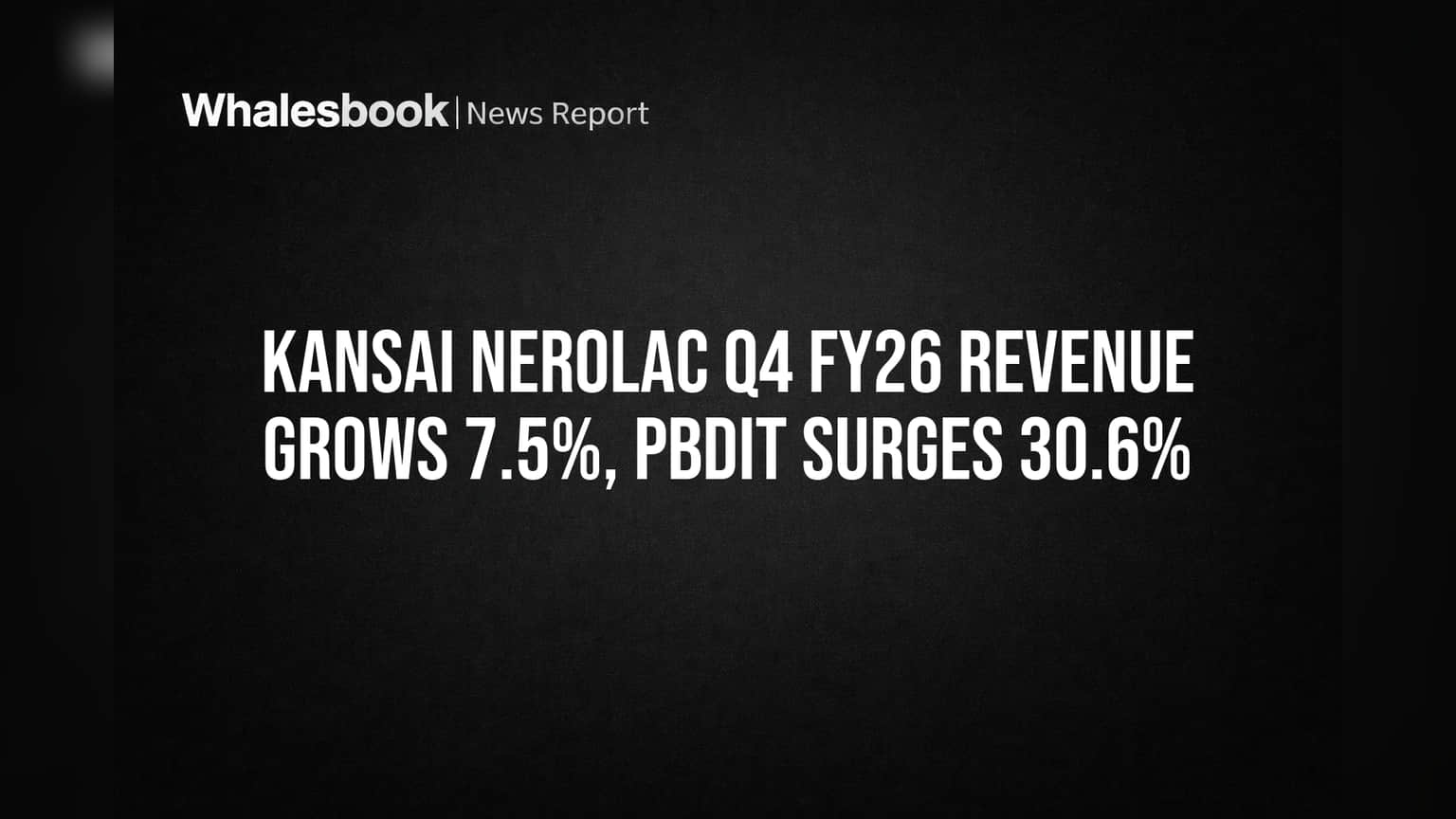


Kansai Nerolac Paints Delivers Strong Q4 FY26 Results
Kansai Nerolac Paints Ltd. reported a 7.5% increase in consolidated revenue for Q4 FY26, alongside a notable 30.6% surge in Profit Before Depreciation, Interest, and Taxes (PBDIT). The full fiscal year FY26 saw net revenue grow 2.9% and PBDIT by 3.4%, a more subdued performance amid economic challenges.
Why the Strong Quarterly Performance Matters
The company's quarterly results highlight its effective management of raw material cost inflation and currency fluctuations. Successful launches of premium and specialized products indicate a strengthened position in high-margin segments. The recommended dividend suggests management's confidence in sustained profitability and cash flow.
Industry Context: Navigating Input Costs and Strategy
The Indian paint industry has faced margin pressures over the past two years due to rising input costs, particularly from crude oil derivatives. This environment has prompted companies like Kansai Nerolac to implement price increases. Kansai Nerolac has strategically focused on expanding its project and specialized industrial coatings segments to diversify revenue.
What This Means for Investors
Shareholders can expect a substantial dividend. The focus on premium products and new launches signals potential margin improvements. Expansion in project and industrial segments offers diversification and avenues for higher growth. The company's ability to pass on costs demonstrates significant pricing power against competitors.
Key Risks to Monitor
Ongoing volatility in crude oil prices and currency depreciation could continue to impact input costs. Intensifying competition and a potential demand slowdown due to inflation might affect sales volumes. Geopolitical risks, such as the West Asia crisis, could disrupt supply chains for key raw materials.
Comparison with Peers
Kansai Nerolac's 7.5% Q4 revenue growth is behind some peers like Asian Paints and Berger Paints, which often achieve higher single-digit to double-digit growth in decorative segments. However, KNPL's strong 30.6% PBDIT growth highlights effective margin management, a challenge common across the sector. Peers are also managing similar cost pressures and investing in new products and premiumization.
Key Metrics and FY27 Outlook
- Full Year FY26: Consolidated Revenue Growth: 2.9%.
- Full Year FY26: Consolidated PBDIT Growth: 3.4%.
- Q4 FY26: PBDIT Growth: 30.6%.
- Management Target for FY27: EBITDA Margin of 13-14%.
What to Watch Next
Investors should monitor Q1 FY27 revenue and PBDIT growth for signs of continued momentum. Assessing the impact of new product launches on sales mix and margins will be crucial. Tracking management's progress toward the FY27 EBITDA margin target of 13-14% is also important. Monitoring crude oil prices and the INR/USD exchange rate for their effect on input costs, and evaluating competitor responses to KNPL's strategies, will provide further insight.