 Whalesbook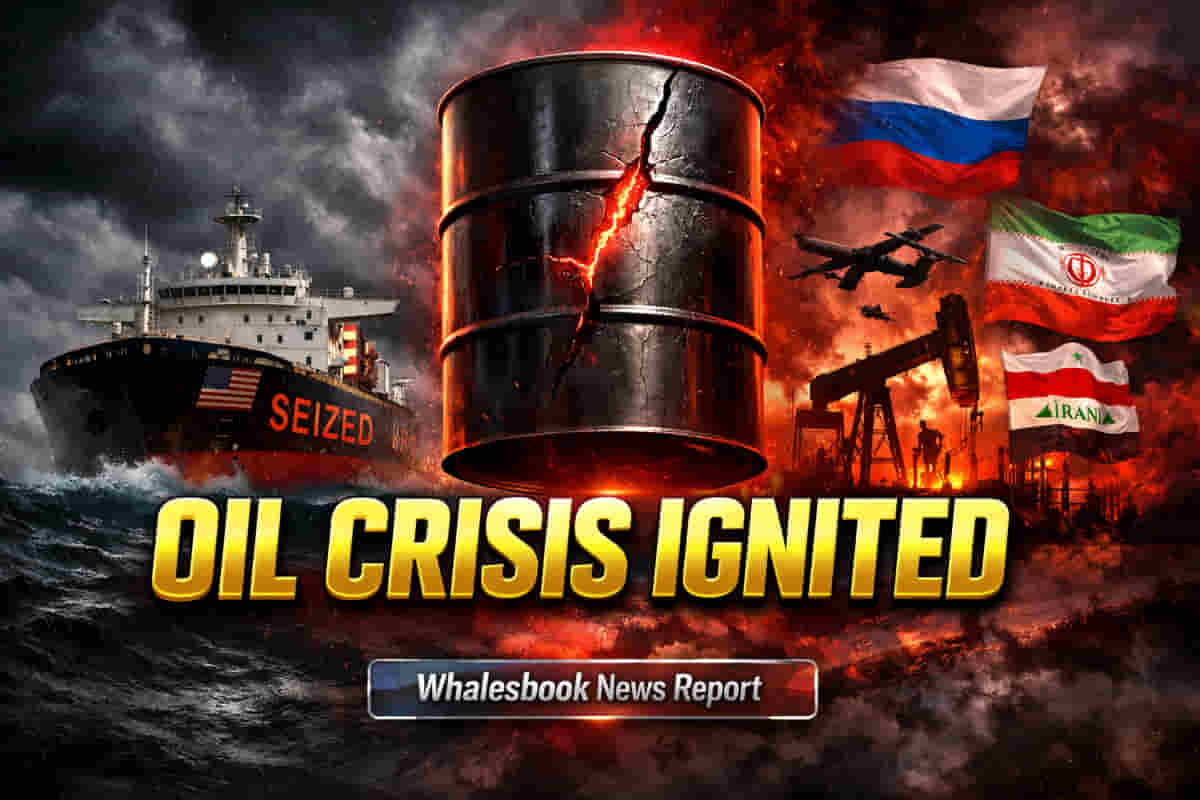
Oil Prices Rebound Amid Geopolitical Strains
Global crude benchmarks rose approximately 2% on Thursday, reversing recent losses as investors grappled with escalating U.S. actions in Venezuela and persistent supply worries emanating from Russia, Iraq, and Iran. Brent futures settled at $61.17 per barrel, a 2% increase, while U.S. West Texas Intermediate crude climbed 1.8% to $57.01. These gains follow a period of declines, as the market digests a complex geopolitical picture.
Venezuela Tensions Escalate
The U.S. seized two Venezuela-linked oil tankers in the Atlantic Ocean Wednesday, part of President Donald Trump's aggressive strategy to pressure President Nicolas Maduro's socialist government. This action escalates an existing blockade of vessels connected to the South American nation, an Organization of the Petroleum Exporting Countries (OPEC) member. Analysts at Ritterbusch and Associates noted that the market impact is limited, as the arrival of substantial Venezuelan crude volumes in the U.S. Gulf Coast could be years away. U.S. Energy Secretary Chris Wright indicated potential roles for U.S. and Chinese companies in Venezuela but stressed Washington's control. India's Reliance Industries, operator of the world's largest refining complex, stated it would consider buying Venezuelan oil if permitted for non-U.S. buyers.
Supply Worries Mount Across Regions
Concerns over Russian energy supplies resurfaced following a drone attack on a Russia-bound tanker in the Black Sea, forcing it to divert course. The potential lifting of sanctions on Moscow could significantly increase Russia's energy exports. In Iraq, the cabinet approved plans to nationalize operations at the West Qurna 2 oilfield for 12 months to prevent disruptions linked to U.S. sanctions imposed on Russian stakeholder Lukoil. Meanwhile, Iran's state media reported warnings to domestic suppliers against hoarding or overpricing goods as the government implements high-stakes subsidy reforms amidst nationwide protests. Analysts warn that Iranian oil exports, accounting for 2% of global supply, could face significant risk depending on how domestic stability evolves.
Regional Power Plays and Market Impact
Further geopolitical complexity arose with reports of the United Arab Emirates (UAE) facilitating the escape of a separatist leader from Yemen, potentially exacerbating tensions between Saudi Arabia and the UAE. Both Gulf powers are major OPEC producers and close U.S. allies. The confluence of these events highlights the fragility of global oil supply chains and the impact of geopolitical friction on commodity markets.