

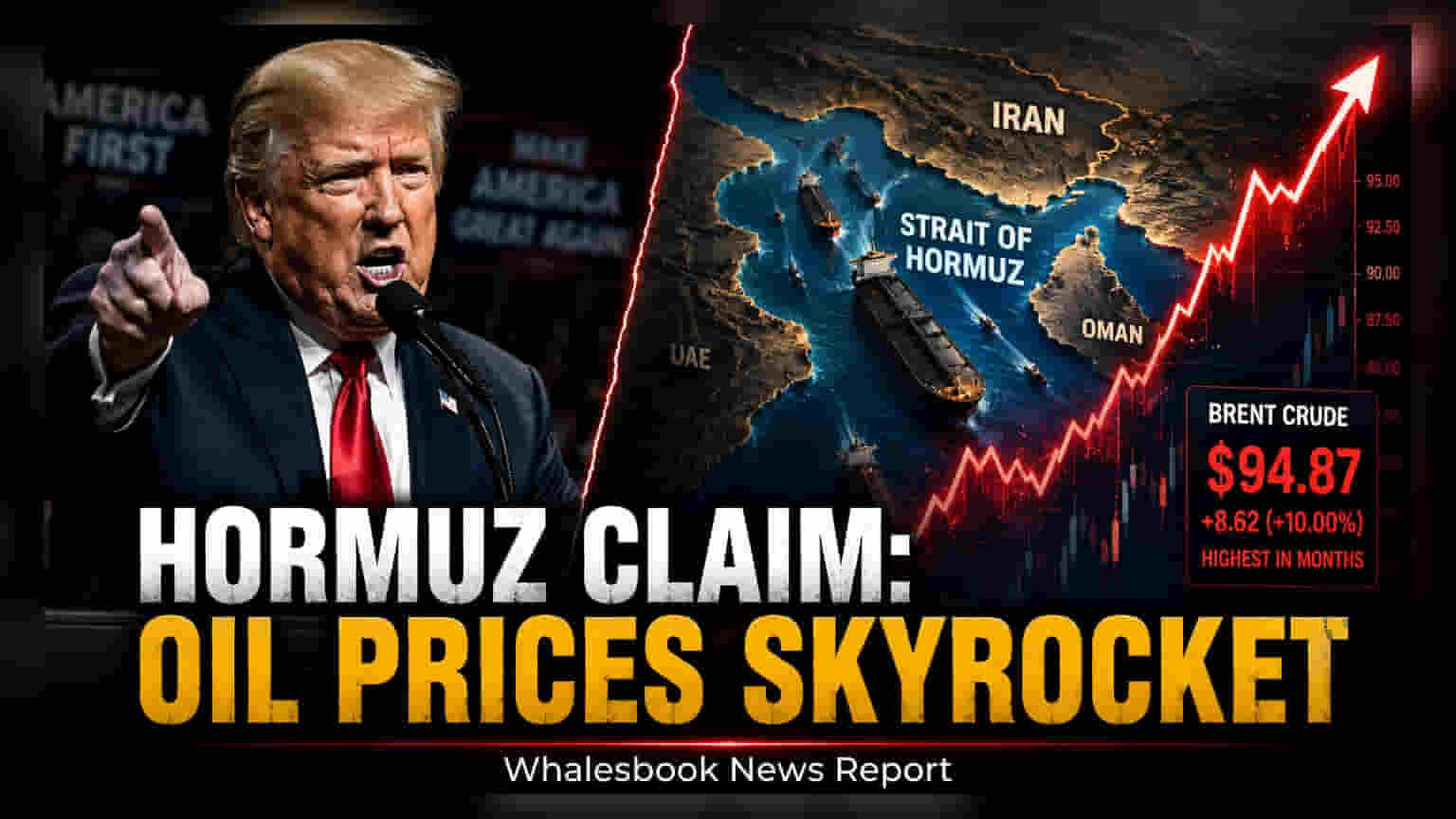
President Donald Trump announced plans to declare the Strait of Hormuz as U.S. territory amid ongoing conflict with Iran. This development has pushed Brent crude prices toward $90 per barrel, raising concerns about global energy supply chains. Markets are monitoring the situation as U.S. officials prepare new economic measures for next week.
President Donald Trump announced his intention to designate the Strait of Hormuz as United States territory during a political rally in New York on Friday. This declaration marks a significant escalation in the ongoing military conflict between the U.S. and Iran, which has been active since February 2026.
The Strait of Hormuz is a critical chokepoint for international energy transit. Prior to the current conflict, the narrow waterway served as a route for approximately 20% of the world's seaborne oil and liquefied natural gas (LNG) shipments. Because of its strategic role, any threat to the stability or free passage of the Strait creates immediate anxiety in global commodity markets regarding supply security.
Following the announcement, energy markets reacted with increased volatility. Brent crude oil prices have been trading between $87 and $90 per barrel. For consumers, the impact of these geopolitical tensions is reflected in higher pump prices, with U.S. gasoline costs currently hovering around $4 per gallon.
The geopolitical move is accompanied by expectations of further financial pressure. U.S. Treasury Secretary Scott Bessent has indicated that the administration plans to implement new, unprecedented economic measures against Iran as early as the week following August 14. These actions are part of a broader strategy intended to cripple Iran's financial capabilities, though they carry risks for the U.S. administration as it balances international policy with domestic concerns about energy inflation ahead of the midterm elections.
From a global logistics perspective, the primary concern for investors and oil-importing economies is the potential for a blockade or restricted access to the waterway. International legal experts are also assessing the validity of such a territorial claim over an internationally navigable body of water. The situation remains fluid, and the most critical monitorable for the coming week will be the details of the U.S. Treasury’s planned economic measures and the diplomatic or military reaction from regional powers in the Middle East.