 Whalesbook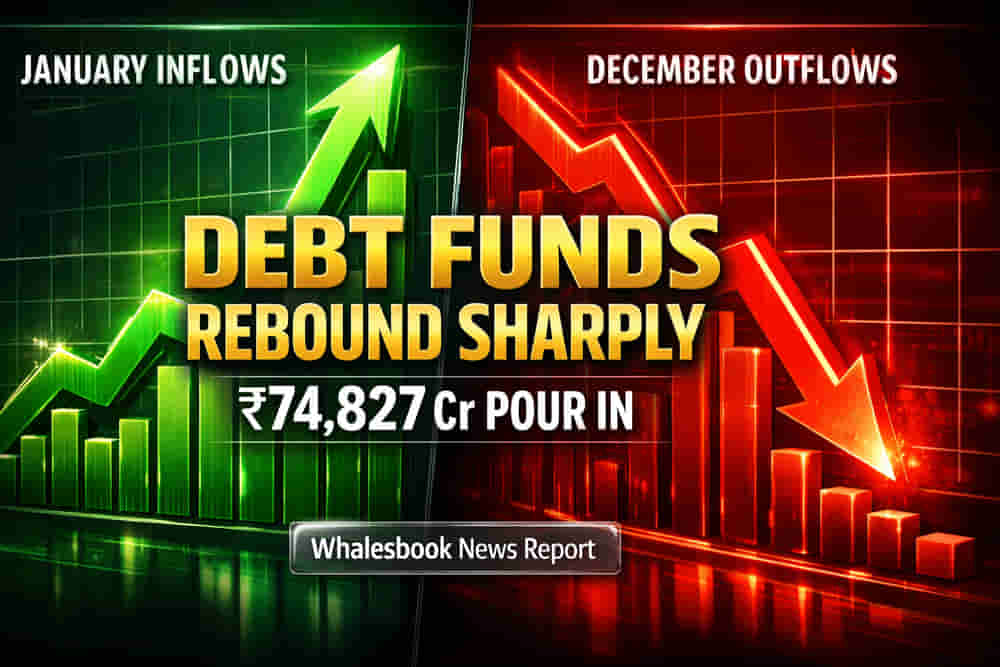
ਨਿਵੇਸ਼ਕਾਂ ਦੀ ਵੱਡੀ ਵਾਪਸੀ, ਪਰ ਸਾਵਧਾਨੀ ਨਾਲ
Indian Debt Mutual Funds ਵਿੱਚ January 2026 ਵਿੱਚ ₹74,827 ਕਰੋੜ ਦਾ ਵੱਡਾ Net Inflow ਦੇਖਣ ਨੂੰ ਮਿਲਿਆ। ਇਹ ਪਿਛਲੇ ਮਹੀਨੇ ਦੇ Outflows ਤੋਂ ਇੱਕ ਵੱਡਾ U-turn ਸੀ। ਇਸ Jump ਦਾ ਸਿਹਰਾ ਮੁੱਖ ਤੌਰ 'ਤੇ Liquidity-focused Segments ਨੂੰ ਜਾਂਦਾ ਹੈ। Overnight Funds ਨੇ ₹46,280 ਕਰੋੜ ਅਤੇ Liquid Funds ਨੇ ₹30,682 ਕਰੋੜ ਜੁਟਾਏ। ਇਹ Corporate ਅਤੇ Institutional Cash balances ਦੀ Year-end Activities ਤੋਂ ਬਾਅਦ strategic re-deployment ਨੂੰ ਦਰਸਾਉਂਦਾ ਹੈ। Money Market Funds ਨੇ ਵੀ ₹12,763 ਕਰੋੜ ਜੋੜੇ, ਜਿਸ ਨੂੰ Attractive Short-term Yields ਦਾ ਸਪੋਰਟ ਮਿਲਿਆ। ਇਹ Surge ਇੱਕ Fundamental Strategy Shift ਦੀ ਬਜਾਏ Treasury Operations ਦੇ Normalization ਨੂੰ ਦਿਖਾਉਂਦਾ ਹੈ।
Headline Inflow ਦੇ ਪਿੱਛੇ ਦੀ ਕਹਾਣੀ
Debt Funds inflows ਦਾ headline figure ਭਾਵੇਂ ਵਧੀਆ ਲੱਗ ਰਿਹਾ ਹੈ, ਪਰ Market ਦੀ ਅਸਲੀਅਤ ਜ਼ਿਆਦਾ Complex ਹੈ। ਜਿੱਥੇ Liquidity-oriented Categories ਵਿੱਚ Demand ਜ਼ਿਆਦਾ ਸੀ, ਉੱਥੇ ਦੂਜੇ Debt Segments ਵਿੱਚ Outflows ਦੇਖੇ ਗਏ। ਇਹ Investor Sentiment ਦੇ Bifurcation ਨੂੰ ਦਰਸਾਉਂਦਾ ਹੈ। ਇਸ ਤੋਂ ਲੱਗਦਾ ਹੈ ਕਿ inflows ਮੁੱਖ ਤੌਰ 'ਤੇ Tactical ਹਨ, ਜੋ Institutional Reinvestment ਵੱਲੋਂ ਕੀਤੇ ਗਏ ਹਨ, ਨਾ ਕਿ Riskier ਜਾਂ Longer-duration Assets ਵੱਲ ਕੋਈ Strategic Reallocation।
Equity Market ਵਿੱਚ ਗਿਰਾਵਟ, Gold ਨੂੰ ਤਰਜੀਹ
Debt Funds ਨੇ headline recovery ਦਿਖਾਈ, ਪਰ January 2026 ਦੇ Market Trends ਨੇ Caution ਦਾ ਮਾਹੌਲ ਦਿਖਾਇਆ। Equity Market ਵਿੱਚ Nifty 50 3.0% ਡਿੱਗਿਆ, ਅਤੇ Mid & Small Caps ਵਿੱਚ ਹੋਰ ਜ਼ਿਆਦਾ ਗਿਰਾਵਟ ਆਈ। ਇਹ ਇੱਕ General "Risk-off" Sentiment ਵੱਲ ਇਸ਼ਾਰਾ ਕਰਦਾ ਹੈ। ਇਸਦੇ ਬਿਲਕੁਲ ਉਲਟ, Gold ETFs ਵਿੱਚ inflows 50% ਵੱਧ ਕੇ ਲਗਭਗ ₹24,040 ਕਰੋੜ ਤੱਕ ਪਹੁੰਚ ਗਏ, ਜੋ Equity Fund Inflows ਤੋਂ ਜ਼ਿਆਦਾ ਸੀ। ਇਹ Gold ਨੂੰ Safe-haven Asset ਵਜੋਂ ਦਿਖਾਉਂਦਾ ਹੈ। Indian 10-year Government Bond Yield, early February 2026 ਵਿੱਚ ਲਗਭਗ 6.7% ਤੋਂ 6.76% ਦੇ ਆਸ-ਪਾਸ ਰਿਹਾ। Supply Concerns ਅਤੇ Fiscal Deficit ਦੇ ਡਰ ਕਾਰਨ ਇਸ 'ਤੇ Upward Pressure ਬਣਿਆ ਹੋਇਆ ਹੈ, ਅਤੇ Yields late 2025 ਤੋਂ ਹੌਲੀ-ਹੌਲੀ ਵੱਧ ਰਹੀਆਂ ਹਨ। ਇਹ ਸਥਿਤੀ, G10 Economies ਵੱਲੋਂ ਕੀਤੀ ਜਾ ਰਹੀ Aggressive Easing ਤੋਂ ਅਲੱਗ ਹੈ। Reserve Bank of India (RBI) ਨੇ February 2026 ਵਿੱਚ Repo Rate 5.25% 'ਤੇ ਬਰਕਰਾਰ ਰੱਖਿਆ ਅਤੇ Neutral Stance ਜਾਰੀ ਰੱਖਿਆ। FY26 ਲਈ GDP Growth Forecast ਨੂੰ ਵਧਾਇਆ ਗਿਆ ਹੈ, ਪਰ Inflation Figures, Target Band ਵਿੱਚ ਵਾਪਸ ਆਉਣ ਦੇ ਬਾਵਜੂਦ, New Measurement Methodologies ਕਾਰਨ Underlying Pressures ਨੂੰ ਲੁਕਾ ਸਕਦੇ ਹਨ। ਅਜਿਹਾ ਪੈਟਰਨ ਪਹਿਲਾਂ ਵੀ ਦੇਖਿਆ ਗਿਆ ਹੈ, ਜਿਵੇਂ December 2024 ਦੇ Outflows ਤੋਂ ਬਾਅਦ January 2025 ਵਿੱਚ ₹1.28 ਲੱਖ ਕਰੋੜ ਦਾ Debt Fund Inflow ਹੋਇਆ ਸੀ।
Risk Aversion ਅਤੇ Duration ਪ੍ਰਤੀ ਝਿਜਕ
Headline Inflow Figures ਦੇ ਬਾਵਜੂਦ, ਡੂੰਘੀ ਜਾਂਚ ਤੋਂ ਪਤਾ ਲੱਗਦਾ ਹੈ ਕਿ ਨਿਵੇਸ਼ਕਾਂ ਵਿੱਚ Risk Aversion ਲਗਾਤਾਰ ਬਣੀ ਹੋਈ ਹੈ ਅਤੇ ਉਹ Duration ਵਧਾਉਣ ਤੋਂ ਝਿਜਕ ਰਹੇ ਹਨ। Corporate Bond Funds ਵਿੱਚ ₹11,473 ਕਰੋੜ, Dynamic Bond Funds ਵਿੱਚ ₹1,435 ਕਰੋੜ ਅਤੇ Long-duration Funds ਵਿੱਚ ₹1,336 ਕਰੋੜ ਦਾ Outflow ਦੇਖਿਆ ਗਿਆ। ਇਹ ਪੈਟਰਨ ਸਪੱਸ਼ਟ ਤੌਰ 'ਤੇ ਦਿਖਾਉਂਦਾ ਹੈ ਕਿ ਨਿਵੇਸ਼ਕ Higher Yields ਨੂੰ ਚੇਜ਼ ਕਰਨ ਨਾਲੋਂ Capital Preservation ਅਤੇ Liquidity ਨੂੰ ਤਰਜੀਹ ਦੇ ਰਹੇ ਹਨ। Indian Equities ਵਿੱਚੋਂ Foreign Portfolio Investors (FPIs) ਦੁਆਰਾ $3.95 Billion ਦਾ ਵੱਡਾ Withdrawal, ਸਿਰਫ January 2026 ਵਿੱਚ ਹੀ, ਇਸ Risk-off Sentiment ਨੂੰ ਹੋਰ ਵਧਾਉਂਦਾ ਹੈ। 2025 ਵਿੱਚ ਹੋਏ Substantial Outflows ਤੋਂ ਬਾਅਦ ਇਹ ਲਗਾਤਾਰ ਵਿਕਰੀ, ਵਿਦੇਸ਼ੀ ਨਿਵੇਸ਼ਕਾਂ ਨੂੰ Geopolitical Tensions, Tariff Threats, Corporate Earnings ਅਤੇ Currency Depreciation ਕਾਰਨ ਭਾਰਤੀ ਬਾਜ਼ਾਰਾਂ ਪ੍ਰਤੀ ਸਾਵਧਾਨੀ ਵਾਲਾ ਰਵੱਈਆ ਅਪਣਾਉਣ ਲਈ ਮਜਬੂਰ ਕਰ ਰਹੀ ਹੈ। Debt Funds ਵਿੱਚ ਮੌਜੂਦਾ Inflows ਇੱਕ Tactical, Short-term Redeployment ਜਾਪਦੇ ਹਨ, ਨਾ ਕਿ ਕੋਈ Strategic Shift। ਇਸ ਲਈ, Policy Signals ਹੋਰ ਜ਼ਿਆਦਾ Clear ਹੋਣ ਅਤੇ External Risks ਘੱਟਣ ਤੱਕ, Longer-duration Assets ਵਿੱਚ ਗਹਿਰੀ ਨਿਵੇਸ਼ ਦੀ ਸੰਭਾਵਨਾ ਘੱਟ ਹੈ।
ਅਗਲਾ ਰੁਖ: ਸਾਵਧਾਨੀ ਅਤੇ ਸਥਿਰਤਾ 'ਤੇ ਫੋਕਸ
ਆਉਣ ਵਾਲੇ ਸਮੇਂ ਵਿੱਚ, Market Participants ਨੂੰ ਉਮੀਦ ਹੈ ਕਿ Bond Yields, Government Borrowing ਅਤੇ Fiscal Deficit ਦੇ Supply Pressures ਪ੍ਰਤੀ Sensitive ਰਹਿਣਗੀਆਂ। ਭਾਵੇਂ RBI ਨੇ Rate Cuts 'ਤੇ Pause ਲਗਾਇਆ ਹੈ, ਪਰ ਇਸਦਾ Neutral Stance Data-dependent Approach ਵੱਲ ਇਸ਼ਾਰਾ ਕਰਦਾ ਹੈ, ਜਿਸ ਨਾਲ Aggressive Easing ਲਈ ਘੱਟ Scope ਹੈ, ਜਦੋਂ ਤੱਕ Inflation Trends ਵਿੱਚ ਕੋਈ ਵੱਡਾ ਬਦਲਾਅ ਨਾ ਆਵੇ। Debt Funds ਵਿੱਚ Liquidity ਅਤੇ Short-duration Assets ਨੂੰ ਮਿਲਦੀ ਲਗਾਤਾਰ ਤਰਜੀਹ, ਅਤੇ Indian Equities ਪ੍ਰਤੀ FPIs ਦੀ Caution, ਇਹ ਸੁਝਾਅ ਦਿੰਦੀ ਹੈ ਕਿ Riskier ਜਾਂ Longer-dated Debt Instruments ਵਿੱਚ Sustained Reallocation ਦੀ ਸੰਭਾਵਨਾ ਨੇੜੇ ਦੇ ਭਵਿੱਖ ਵਿੱਚ ਘੱਟ ਹੈ। ਨਿਵੇਸ਼ਕ ਸਥਿਰਤਾ ਨੂੰ ਤਰਜੀਹ ਦਿੰਦੇ ਹੋਏ, Macro-economic ਅਤੇ Policy Guidance ਹੋਰ Clear ਹੋਣ ਤੱਕ ਸਾਵਧਾਨੀ ਵਾਲਾ ਰੁਖ ਅਪਣਾਉਣਗੇ।