 Whalesbook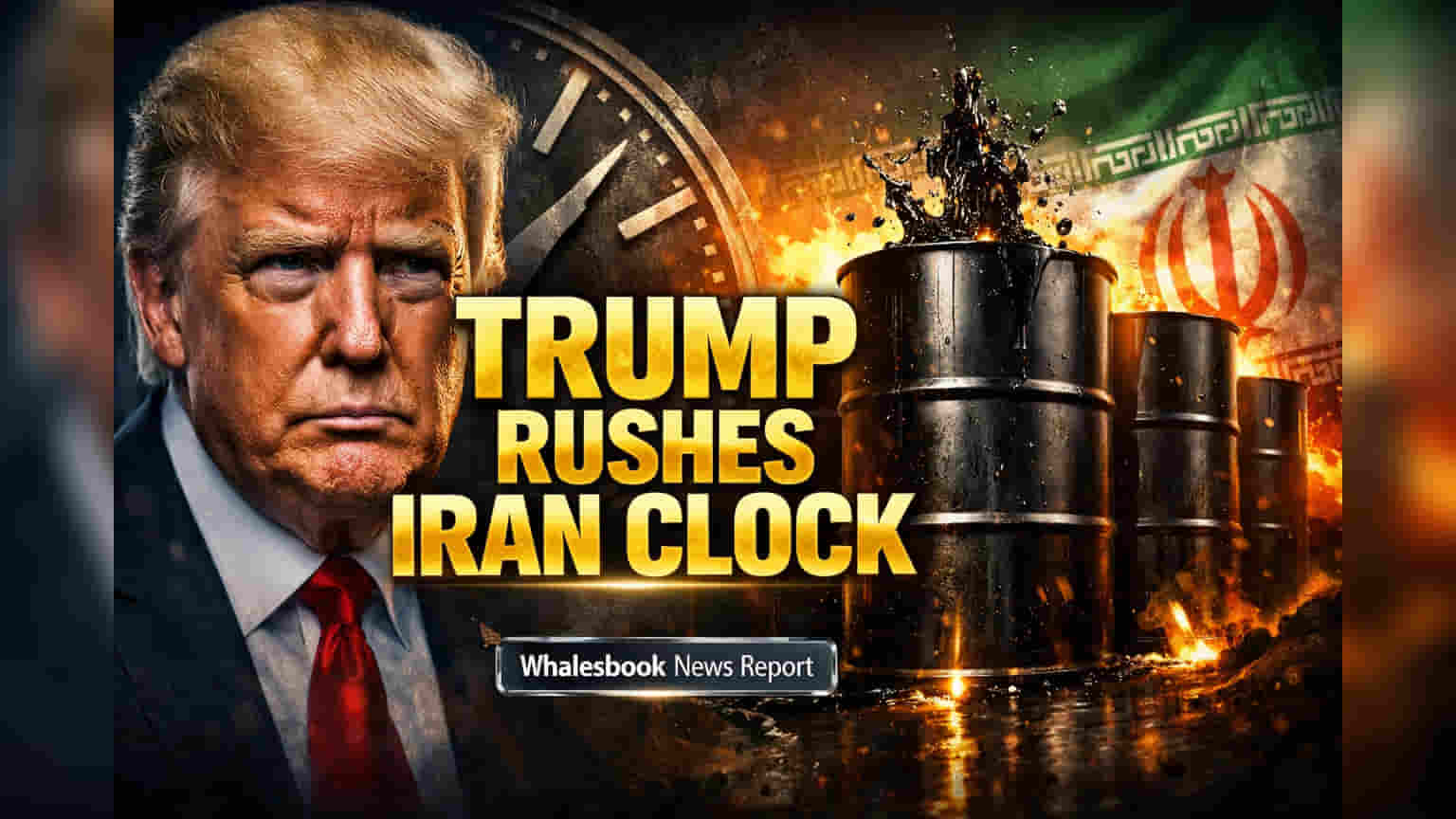


Toh bhai, yeh US ki strategy kaafi calculated hai. Woh koi badi jung nahi shuru karna chahte, bas surgical strikes se Iran par pressure bana rahe hain. Yeh sab elections ke game ka ek hissa hai, taaki foreign policy goals achieve ho sakein aur desh mein koi political natak na ho. Administration chahti hai ki yeh sab late spring ya early summer tak khatam ho jaye, taaki midterm elections mein yeh koi burden na bane.
Elections Ka Pressure
Midterm elections nazdeek aa rahi hain, aur administration ke paas time kam hai. Military operations jaldi khatam karke tension kam karne ka pressure isi wajah se hai, taaki election mein Republican prospects par koi bura asar na pade. Military actions ko measured rakha gaya hai, jisse negotiations mein leverage mile na ki badi war ho jaye jo politics ko nuksan pahunchaye. Analysts ka kehna hai ki lamba conflict electoral outcomes ke liye seedha risk hai.
Oil Exports Par Attack Aur Market Ka Reaction
Military engagement ka focus Iran ki oil export capabilities ko disrupt karna hai, jaise Kharg Island jaise spots ko target karna. Iska seedha economic impact hai. Strait of Hormuz, jo around 20% global oil aur 21% LNG ke liye vital hai, ab commercial traffic ke liye bandh ho gaya hai. Brent crude prices mein toofani tezi aayi, prices $115 per barrel ke paar ho gaye. Goldman Sachs ne 2026 ke liye average prices $85 forecast kiye hain, jo pehle ke estimates se kaafi zyada hai. OPEC+ ne April ke liye 206,000 barrels per day ka production increase announce kiya hai, lekin analysts ke hisaab se yeh supply shocks ko cover karne ke liye kam hai.
Defense Sector Ka Boom
Is current geopolitical situation ne defense sector ko ek 'security supercycle' mein daal diya hai. Global tensions badh rahe hain, Iran conflict ke saath military spending badh gayi hai, aur Lockheed Martin aur RTX Corporation jaise bade contractors ke paas orders ki bahaar hai. Global military spending 2025 mein $2.63 trillion tak pahunch gaya hai, aur NATO countries aur zyada dene ka wada kar rahe hain. Lekin, is sector mein bhi challenges hain; pichle decade mein profit growth sirf low single digits mein raha hai, jahan fixed-price contracts par pressure aur tech costs badh rahe hain.
Risks Aur Downsides
US ke calculated military actions mein risk hai ki koi galat calculation ho jaye ya situation aur bigad jaye. Strait of Hormuz ka band hona global energy supply ke liye bahut bada threat hai, jisse daily 20 million barrels oil aur products ki supply ruk sakti hai. Agar yeh disruption chalta raha, toh yeh global recession ko trigger kar sakta hai, aur developing nations mein fuel rationing ho sakti hai. Iran ke retaliatory attacks, jaise missile aur drone strikes, critical infrastructure par, woh bhi ek bada threat hain. Qatar ke Ras Laffan liquefied natural gas facility ko nuksan pahuncha hai, jiske repairs mein paanch saal tak lag sakte hain, jo iske long-term economic consequences dikhata hai.
Future Outlook Aur Market Concerns
Analysts ko oil aur gas prices mein volatility continue hone ki umeed hai. Conflict khatam hone ke baad bhi markets ko stabilize hone mein time lag sakta hai, kyunki restocking ki zarurat hogi aur geopolitical sentiment bana rahega. Goldman Sachs ne 2026 ke liye Brent crude forecast ko $85 per barrel tak badha diya hai, aur warning di hai ki agar outages lamba chala toh prices saalon tak high reh sakte hain. Inflation par impact aur potential Federal Reserve interest rate hikes bhi badi concerns hain. Agarche history mein markets geopolitical shocks se recover karti hain, par current situation ki severity aur sustained energy disruption ka potential, khaaskar Asia aur Europe ke liye, ek complicated outlook de raha hai.