 Whalesbook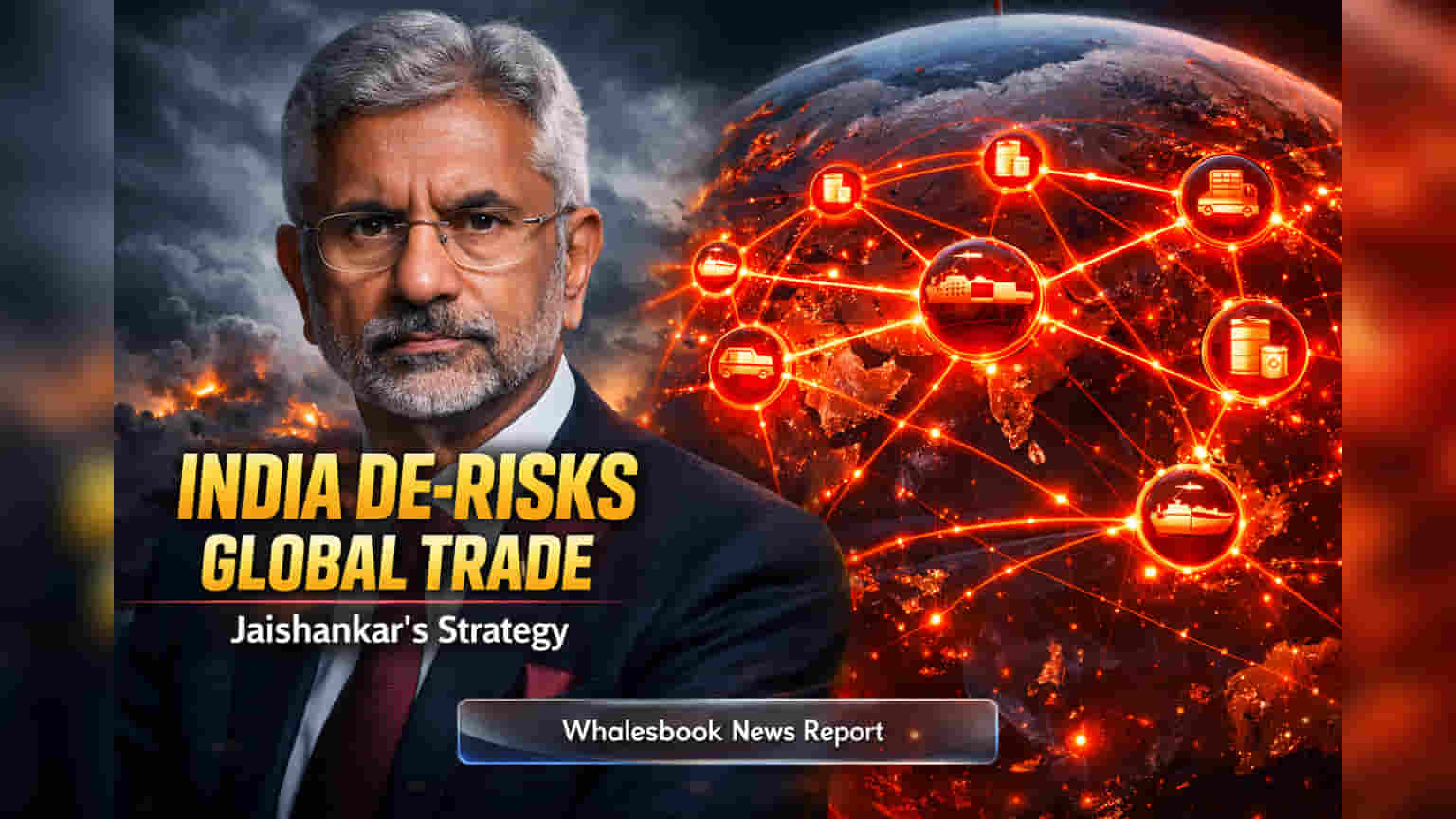


External Affairs Minister S. Jaishankar ne ekdum clear kar diya hai ki ab duniya kaafi risky ho gayi hai. Global resources aur partnerships ko log 'weapon' ki tarah use kar rahe hain, matlab apne fayde ke liye daav pe laga rahe hain.
Lekin tension nahi, kyunki India ne pichle 10 saal ki growth aur public ke zabardast optimism ki wajah se kaafi shocks handle kiye hain, jaise West Asia conflict aur Russia-Ukraine war. Abhi focus hai strategy ko thoda badalne par. Jaishankar ka 'hedge, de-risk, diversify' wala mantra isi 'weaponization' ko tackle karne ke liye hai. Ye strategy global trade aur supply chains ko todne wali speed ko bhi rokegi.
Market ki baat karein toh, India ke Nifty 50 ka P/E ratio lagbhag 20.0 chal raha hai aur Sensex ka 20.15, jo moderate valuation dikha raha hai.
Haan, Indian markets ne pichle kuch hafton mein losses dekhe hain, lagbhag 6 hafton se girawat thi, despite April 2, 2026 ko Nifty 0.15% aur Sensex 0.25% upar gaya tha. Iska reason FIIs ki selling aur global uncertainty hai.
Sabse bada reason toh EAM ne khud hi bata diya - 'weaponization of interdependence'! Matlab desh economic leverage use kar rahe hain. Energy jaise important resources par control ke liye competition badh gaya hai. West Asia conflict ke karan crude oil prices $100 per barrel ke paar chali gayi hain, jo India jaise import karne wale desh ke liye bada threat hai. Analysts ab inflation badhne aur GDP growth kam hone ki forecasting kar rahe hain.
Pehle jab aise global shocks aate the toh market turant gir jaata tha, currency bhi fluctuate hoti thi. Ab situation badal gayi hai. Ab sirf economic diplomacy nahi, balki national capabilities build karna zaroori hai – vital resources, tech, aur market access secure karne ke liye. Digital advancements aur positive outlook toh hain hi, par internal strength sabse important hai future goals ke liye. Government ne bhi reforms kiye hain, jaise Income Tax Act 2025 aur banking security jo April 1, 2026 se effective hai, taaki cheezein easy ho aur financial system strong bane.
Baki desh bhi panga le rahe hain, 'friend-shoring' kar rahe hain, matlab apne allies se hi trade. Isse global economy aur bhi fracture ho rahi hai. India resilient toh dikh raha hai, par risks abhi bhi hain. High oil prices current account deficit ko 2% GDP tak badha sakte hain. Imported inflation se CPI inflation RBI ki upper limit tak pahunch sakta hai, jisse interest rates badh sakti hain aur growth slow ho sakti hai (ICRA forecast 6.5% FY2027 ke liye). India ka manufacturing sector bhi slow ho raha hai, PMI March 2026 mein 45-month low par tha. Rupee ka dollar ke saamne girna bhi import ko mehnga kar raha hai. FIIs abhi bhi selling kar rahe hain, jo global investor sentiment ki cautiousness dikhata hai.
Ab priority hai national capabilities build karna aur supply sources ko diversify karna. Jab direct control possible na ho, toh 'trusted partnerships' aur alag alag suppliers par depend karna hoga risk kam karne ke liye. RBI bhi cautious rahegi, data-driven policy se inflation control karne ki koshish karegi par growth ko bhi support karna hoga. Indian businesses ke liye market access badhana aur 'Brand India' ko promote karna bhi economic strategy ka hissa hai. Ye sab India ke 'Viksit Bharat 2047' goal ke liye crucial hai, taki hum global changes ke beech apne economic aur strategic interests ko protect kar saken.