 Whalesbook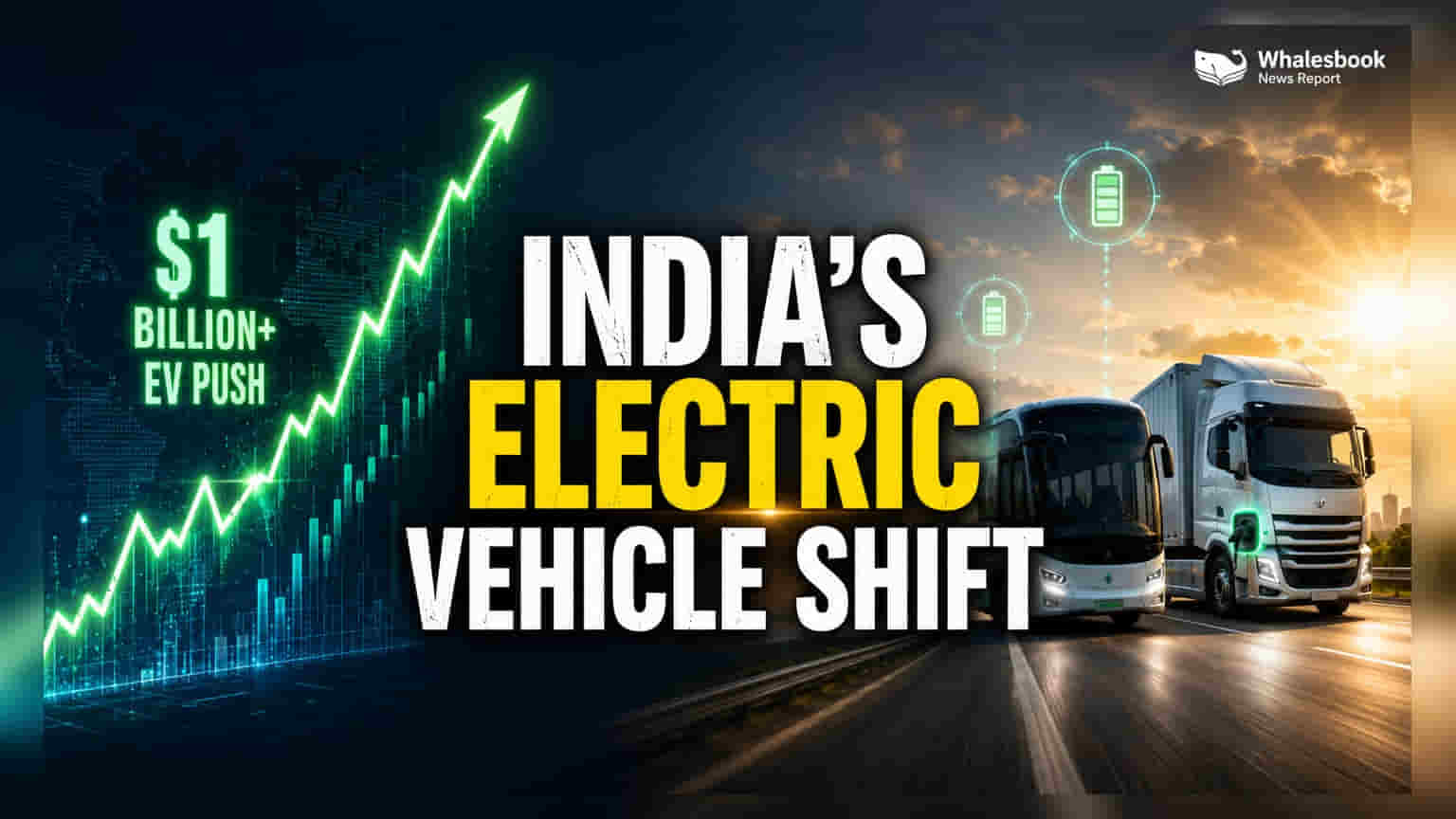


Commercial Fleets Ki Electrification Par India Ka Focus
India ek bada incentive package soch raha hai, jo $1 Billion se zyada ho sakta hai aur 10 saal tak chalega. Iska main goal hai private commercial transport sector mein electric vehicles (EVs) ko jaldi adopt karna. Yeh move country ka fossil fuels par reliance kam karne mein madad karega, energy security aur cities ki badhti air quality wali concerns ko bhi address karega. Yeh program mainly India ke privately-owned truck aur bus fleet par focus karega, khas kar inter-city bus operators par. Abhi tak budget, eligible vehicles aur subsidy structures par details discuss ho rahe hain.
Energy Security Aur Air Quality Banega Electrification Ka Reason
Electrification ki yeh push India ki energy independence ko badhane ke goal se judi hui hai. Desh lagbhag 90% crude oil import karta hai, jiski wajah se global price swings aur geopolitical events ka asar hota hai. Commercial transport ko electrify karna cities mein serious air pollution se ladne ka bhi ek main strategy hai, jahan vehicle emissions harmful particulate matter ka ek bada source hain.
Global Electrification Ka Pace
Public sector companies ne electric buses deploy karna shuru kar diya hai, lekin commercial segment mein abhi bhi diesel vehicles hi sabse zyada register ho rahe hain. China, US, aur European nations jaise countries apne commercial vehicle fleets ko tezi se electrify kar rahe hain. India ka commercial transport sector mostly private hai, jismein adoption ke liye alag challenges aur opportunities hain.
Chote Fleet Operators Ko Support
Officials chote fleet operators ke liye financial support dekh rahe hain, jo high upfront costs aur limited capital se struggle karte hain. Proposed measures mein $17,500 tak per vehicle interest subsidy ho sakti hai, jismein support ko dheere-dheere kam kiya ja sakta hai. Banks ko electric commercial vehicle ki kharidari finance karne ke liye encourage karne ke liye partial credit guarantee scheme bhi consider ki ja rahi hai.
Market Competition Aur Growth
India ke electrification plan ki success iss baat par depend karegi ki domestic aur international manufacturers kaise respond karte hain. Tata Motors aur Ashok Leyland jaise companies, jo electric commercial vehicles par focus kar rahi hain, unki demand badh sakti hai. Yeh incentives charging infrastructure mein investment ko bhi badha sakte hain. Tesla aur BYD jaise global players par bhi nazar rahegi. Halanki India mein electric trucks aur buses ka current market share bahut kam hai, lekin government incentives se growth tezi se badhne ki ummeed hai, jaisa ki pehle incentive programs ke baad electric two-wheeler sector mein dekha gaya tha.