 Whalesbook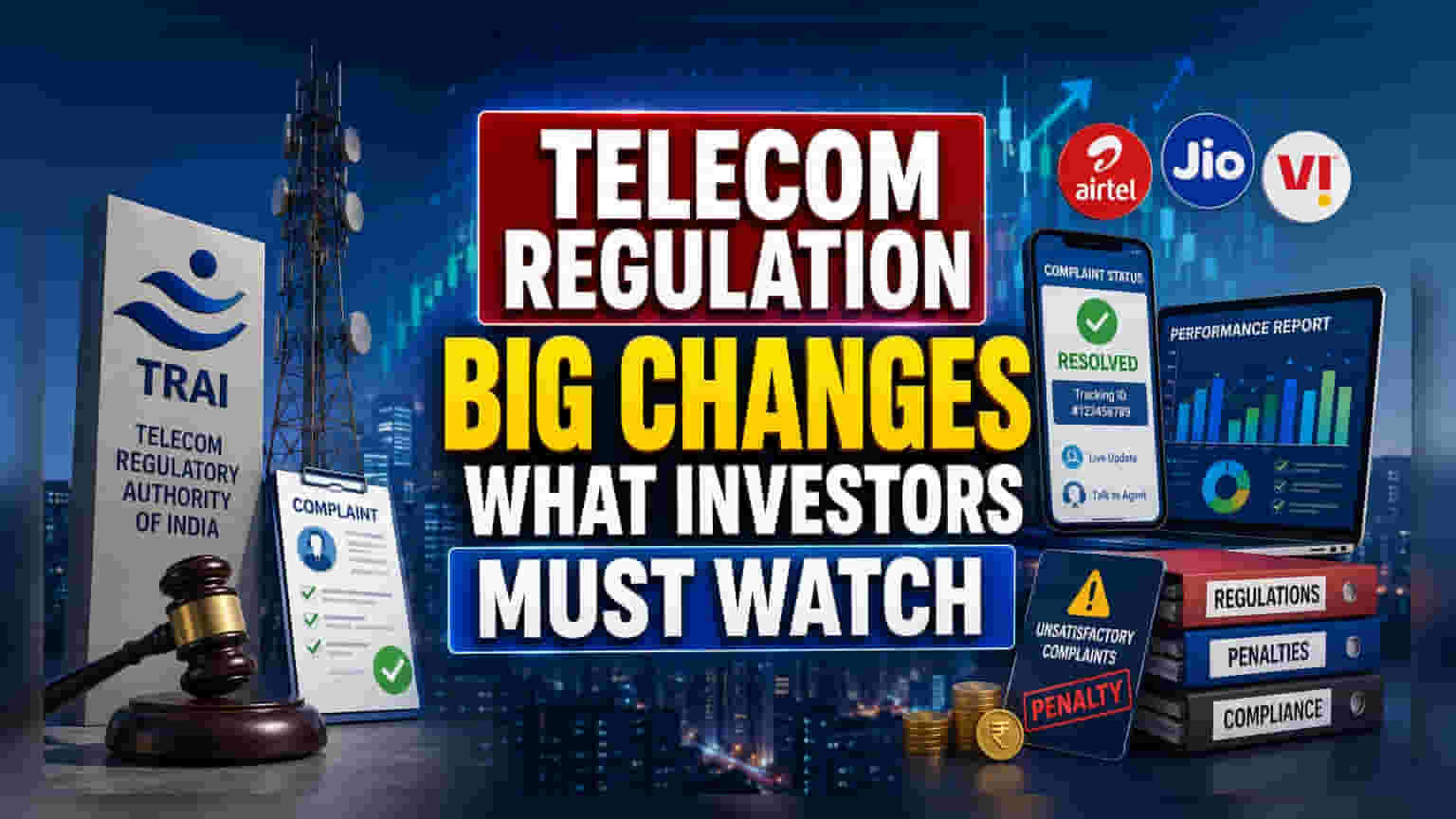
Telecom companies aur consumer groups, TRAI ke naye complaint resolution system ko lekar aapas mein bhid gaye hain. Regulator chahta hai ki complaints jaldi solve hon, lekin telcos ko lagta hai ki ye bojh aur penalties bahut zyada hain.
Hua Kya?
Telecom Regulatory Authority of India (TRAI) ne telecom companies ke customer complaints handle karne ke tareeke mein bade changes propose kiye hain. Sabse bada change yeh hai ki grievance appeals handle karne wali advisory committee ko hataya jayega. TRAI ka kehna hai ki yeh committee scheduling issues ke karan inefficient ho gayi hai, aur ab complaints companies ke senior employees khud handle karenge.
Lekin, consumer advocacy groups is move se naraz hain. Unka kehna hai ki yeh committee customers ke liye ek zaroori safeguard hai. Groups ko dar hai ki isse bias badhega kyunki ab sara process company ke internal review par depend karega. Wo committee ko khatam karne ke bajaye use digital aur virtual options se modernize karne ka suggestion de rahe hain.
Telecom Operators Par Kya Asar Padega?
Ye regulations sirf complaint committee tak seemit nahi hain. TRAI chahta hai ki IVR systems mein bhi changes hon, jahan customers ko clearer options milen, including direct access to human agents. Saath hi, mobile apps aur web portals par complaint status ki real-time updates bhi deni hongi.
Bharti Airtel aur Vodafone Idea jaise bade telecom operators ne in changes par chinta jatayi hai. Unka kehna hai ki IT platforms aur call centers mein itne bade systemic overhauls ko propose kiye gaye 30 din ke window mein karna mushkil hai. Companies ne systems align karne ke liye 6 se 9 mahine ka transition period manga hai.
Regulatory Compliance Par Debate
New reporting aur penalty structures par bhi disagreement hai. TRAI ne mandate kiya hai ki companies ko regulator aur company ki leadership dono ko highly detailed performance reports submit karni hongi. Operators ise ek massive compliance burden maan rahe hain.
Reliance Jio ne khaas taur par 'unsatisfactory' complaint handling ke liye propose kiye gaye financial penalties par chinta vyakt ki hai. Unka kehna hai ki yeh double jeopardy jaisa hai, kyunki telecom companies pehle se hi billing aur network performance ke Quality of Service regulations ke tehet strict penalties ke adheen hain. Unhe yeh bhi dar hai ki 'unsatisfactory' term bahut vague hai, jismein arbitrary enforcement ki possibility hai.
Investors Kaise Dekh Rahe Hain?
Investors ke liye, core issue operational costs mein potential increase aur tighter regulation ka impact hai. Jab telecom companies ko IT infrastructure, call centers, aur reporting systems overhaul karne hote hain, toh operating expenses badh jaate hain.
Iske alawa, penalties par regulator ka stance ek monitorable risk hai. Agar regulator service-related complaints ke liye strict monetary disincentives enforce karta hai, toh telcos par consistent service quality ensure karne ka pressure badhega. Yeh consumer ke liye faydemand hoga aur long-term mein brand reputation bhi sudharega, lekin short-term mein compliance aur operational workload badhega. Investors ko assess karna chahiye ki kya yeh additional costs major telecom players ke existing margin profiles mein manage ho sakte hain.
Investors Ko Kya Track Karna Chahiye?
Sabse pehla monitorable TRAI dwara issue ki gayi regulations ka final version hai. Khaas taur par, investors ko transition timeline ke regarding kisi bhi concession par nazar rakhni chahiye, kyunki ek short window aggressive capital aur operational spending force karegi. Ek aur key factor 'unsatisfactory' complaint clause ki definition aur enforcement hai, kyunki isse company ka financial exposure potential penalties ke liye determine hoga. Finally, upcoming earnings calls mein management commentary ko track karna, unke digital aur customer service transformation costs ke bare mein, yeh clarity dega ki yeh regulatory changes operating margins par kitna bhaari pad sakte hain.

