 Whalesbook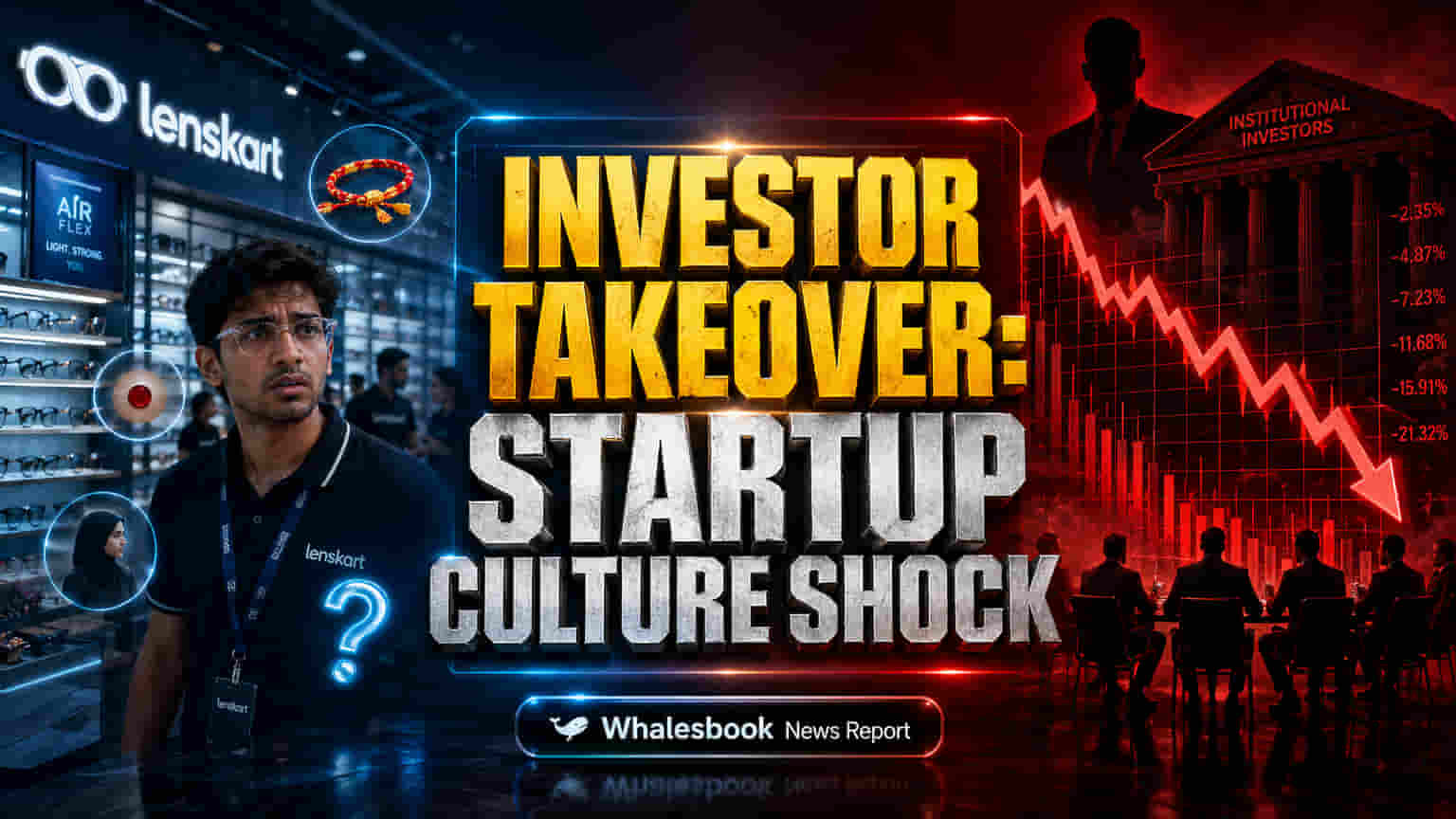


Style Guide Ban Gaya Hungama
Lenskart ke andar ki ek grooming policy ne ekdum se social media par halla macha diya. Ye sab dikhata hai ki kaise company ke rules, investors ki demands aur India ki local culture kabhi kabhi takra sakte hain. Halanki, CEO ne apology dekar aur policy clear karke mamla shaant kar diya, lekin yeh issue global ESG aur DEI standards ko India mein kaise apply karein, is par ek badi discussion chhed gaya hai.
Kya Hua Tha Asal Mein?
April 2026 mein, Lenskart customer-facing staff ke liye ek internal style guide bahar aaya. News ke hisaab se, is guide mein hijab aur turban jaise religious items allow the, lekin bindi, tilak, aur kalawa jaise Hindu symbols ko restrict kiya gaya tha. Yeh 'religious imbalance' dekh kar logon ne Lenskart par discrimination ka aarop lagaya aur boycott ki maang hone lagi. Lenskart ke CEO, Peyush Bansal, ne turant iss mamle par react kiya. Unhone bataya ki yeh document galat aur purana tha, aur yeh company ki current guidelines ko represent nahi karta. Unhone sabhi employees ke liye inclusivity aur religious expression ke liye company ke commitment ko reaffirm karte hue confusion ke liye maafi maangi. Is apology aur ek naye, inclusive style guide ke bawajood, yeh incident dikhata hai ki aajkal ke digital world mein policy galatiyan kitni tezi se fail sakti hain.
Investors Ka Pressure Aur ESG/DEI Ka Scene
Lenskart ne ab tak $1.08 billion se zyada fund raise kiya hai alag-alag investors se, jaise Abu Dhabi Investment Authority (ADIA), Temasek, SoftBank, Alpha Wave, KKR, aur Fidelity. Kuch logo ko lagta hai ki yeh controversial guidelines shayad kuch foreign investors ke ESG aur DEI standards se inspired hon. Yeh investors kabhi-kabhi minority rights par zyada focus karte hain, jisse India ki majority population ke cultural nuances ko samajhne mein dikkat ho sakti hai. India mein NIIF aur dusre sovereign wealth funds bhi paisa laga rahe hain, aur woh apne global ESG standards bhi saath laa rahe hain. Lekin Lenskart ke experience ne dikhaya hai ki in universal principles ko India ke unique culture ke saath match karna ek bada challenge hai.
Competitors Ka Bhi Yahi Haal
Aisa pehli baar nahi hua hai. Isi saal April 2026 mein, IndiGo airlines ko bhi grooming guidelines ko lekar backlash mila tha, jisme tilak aur sindoor jaise religious markers ko restrict karne ka aarop tha. Air India ne bhi purane cabin crew handbooks ko lekar clarifications di thin. Yeh sab events dikhate hain ki India mein operate karne wali global companies, jinke paas foreign investment hai aur jo apni consistent branding chahte hain, unhe corporate image aur employee expression ke beech balance banane mein mushkil ho rahi hai.
Lenskart Ka Valuation Aur Market Position
Asia ki sabse badi eyewear retailer hone ke naate, Lenskart ki market mein position kaafi strong hai. Fidelity ne April 2026 mein inki valuation $6.1 billion tak pahuncha di thi. Analysts ko Lenskart ka IPO $7.9 billion se lekar $10 billion tak ka ho sakta hai. FY25 mein company ne lagbhag ₹7,010 crore revenue aur ₹297 crore ka profit report kiya hai.
Management Aur Risks
CEO ne apology toh de di, lekin is incident se management ya communication mein kuch kami zaroor dikhi hai. Ek 'outdated' policy ka circulate hona yeh batata hai ki sensitive cultural aur religious matters par strong internal review process nahi tha. Lenskart par franchise owners ne bhi unfair business practices aur financial fraud ke aarop lagaye the, aur kuch employees ne bhi "toxic" work culture ki complaints ki hain. Yeh sab cheezein employees, partners aur investors ka trust kam kar sakti hain.
Reputational Damage
Sabse badi weakness jo saamne aayi hai woh hai India ke deep-rooted socio-cultural norms ko samajhne mein Lenskart ki kami. Jab company ki policy ko majority community ke khilaaf mana jaata hai, toh yeh reputational damage kar sakta hai aur bade customer base ko alienate kar sakta hai. Yeh cheez Lenskart jaise brand-reliant company ke liye, khaas kar IPO se pehle, kaafi risky hai.
Future Outlook
Lenskart ka latest IPO plan late 2025 tak hai, jisme $10 billion tak ki valuation target hai. Lekin is controversy se investors ka sentiment affect ho sakta hai. Company ko sirf policies update karne se zyada, inclusivity aur cultural understanding ke liye genuine commitment dikhana hoga. India mein startup ecosystem strong hai, lekin aise incidents cultural misalignment ke risks ko highlight karte hain. Aage investors ka interest Lenskart ke stakeholders ko manage karne aur cultural intelligence dikhane ki ability par depend karega.