 Whalesbook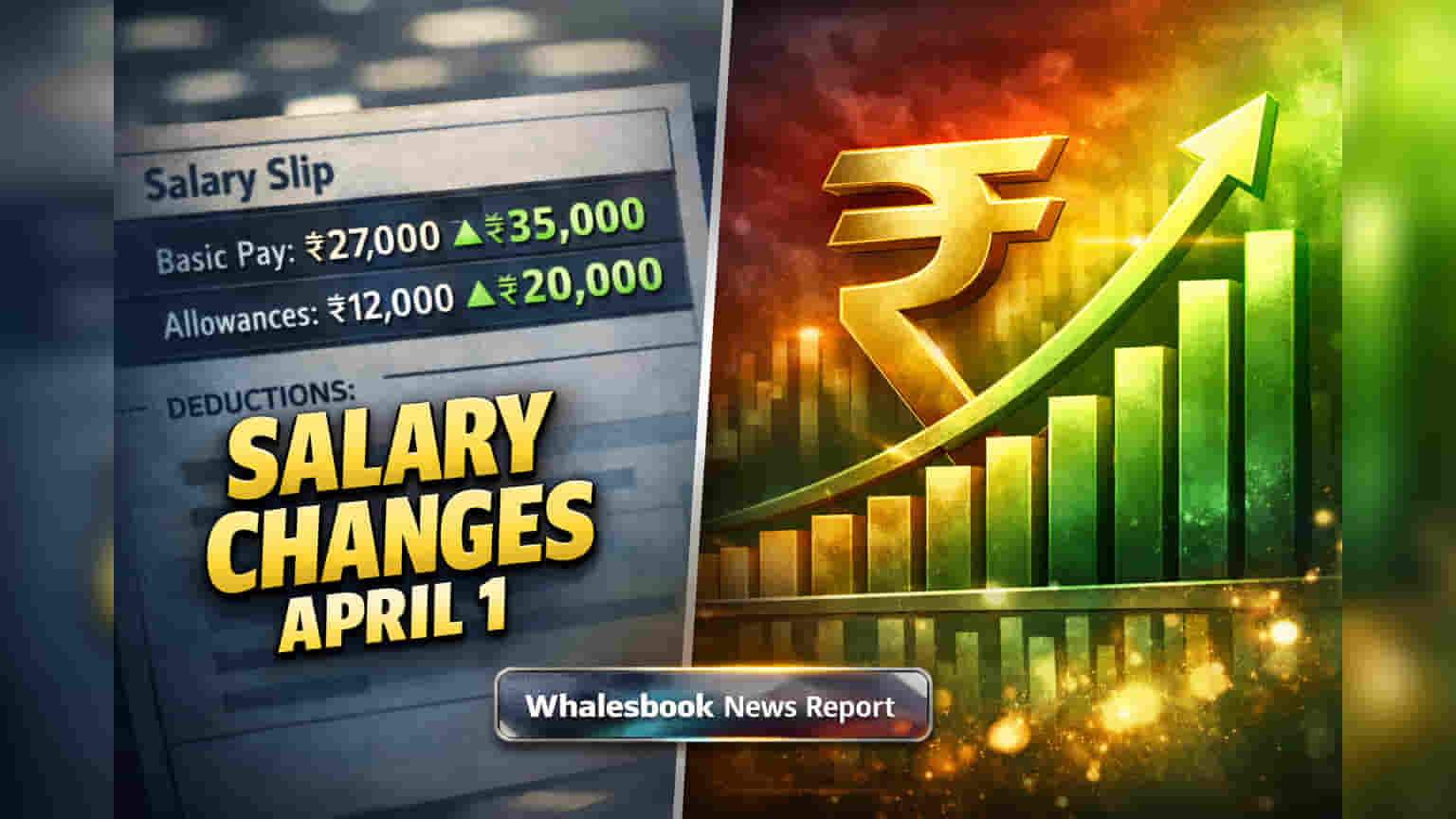


Okay, toh asli scene kya hai? Government ne rules change kar diye hain, aur April 1, 2026 se companies ko apni salary structure mein bada change laana padega. Rule yeh hai ki basic pay aur usse related cheezein aapki total salary ka kam se kam 50% honi chahiye. Iska matlab companies ko basic salary badhani padegi, aur iske liye flexible allowances jaise HRA, LTA, etc., kam karne padenge taaki employees ki take-home salary bhi same rahe aur company rules follow kare.
Ab iska direct impact tax pe kaise padega? Jab yeh allowances kam ho jayenge, toh aapko purane tax regime mein jitne deductions milte the, woh bhi kam ho jayenge. Aur mazedaar baat yeh hai ki FY 2023-24 se new tax regime already default ho gaya hai. Toh ab zyada tar log isko choose kar rahe hain, kyunki rates bhi kam hain aur filing bhi easy hai. Lagbhag 99% log isko hi adopt kar sakte hain, aur yeh choice se zyada salary structure change hone ka result hai.
Lekin sabke liye purana regime useless nahi hai. Kuch log jinko HRA allowance ka fayda milta hai metro cities mein, ya jo home loan interest aur Section 80C, 80CCD(1B) ke deductions use karte hain, unke liye purana regime abhi bhi better ho sakta hai. Agar aapki salary ₹10 lakh se ₹30 lakh ke beech mein hai, especially bade shehron mein jahan rent zyada hai, toh ho sakta hai aapke liye purana tax regime hi faydemand rahe. Freelancers ke liye bhi new regime ki simplicity achhi ho sakti hai.
India Inc. mein, companies abhi is change ko manage kar rahi hain. General salary hike toh around 9% expected hai 2026 mein, par internal changes alag hain. Manufacturing aur financial services sector mein wage bills badh sakte hain kyunki PF aur gratuity ab zyada basic pay pe calculate honge. Government chahti hai ki sab transparent ho aur social security badhe. Pehle bhi employees ne rules ke hisaab se adapt kiya hai, aur ab bhi wahi ho raha hai. New tax regime mein deductions kam hone ki wajah se jin logon ke paas significant rent, home loan interest ya 80C ke investments hain, unka tax bill badh sakta hai agar woh manage na karein. Jo companies late hongi, unhein penalties lag sakti hain. Choti companies ko payroll recalculate karne mein problem ho sakti hai, jisse unka cost 5-15% tak badh sakta hai. Consultant jaise logon ke liye new regime mein deductions na hone ke karan high earners ka effective tax rate kafi high ho jayega. PF contribution badhne se logon ka paisa lock ho jayega.
Aage ka scene simple salary structures aur better tax compliance ka hai. Jab new tax regime default hai aur labour codes ke hisaab se salary badal rahi hai, toh purane regime ka appeal average taxpayer ke liye kam hi hoga. Companies aur employees dono ko hi in changes ko samajhna hoga aur proactively plan karna hoga.