 Whalesbook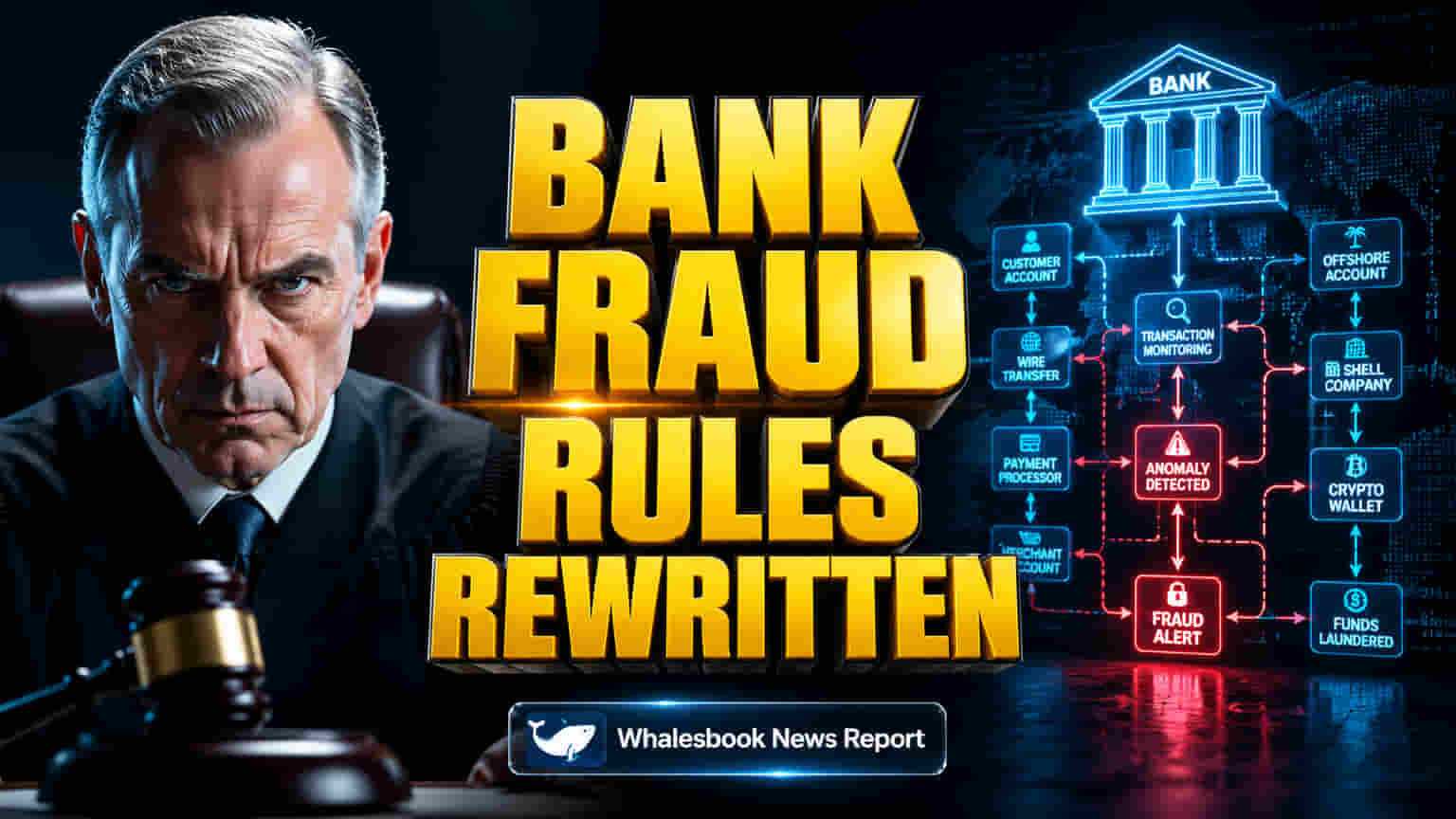


Banks ka kaam ab hoga tez, par Audit par zyada zor!
Supreme Court ne April 7, 2024 ko yeh important decision sunaaya hai jisse banks ke liye fraudulent accounts ko classify karna thoda easy ho gaya hai. Court ka kehna hai ki banks ko ab borrower ko personal ya oral hearing dene ki zaroorat nahi hai account ko fraudulent mark karne se pehle. Yeh decision banking system ki practicality ko dhyaan mein rakhte hue liya gaya hai, kyunki saal mein hazaron fraud cases aate hain.
Iske bajaye, banks ab written process follow kar sakti hain: show-cause notice dena, evidence provide karna, written response lena aur fir ek reasoned order pass karna. Isse State Bank of India (jiska P/E roughly 11.8 hai), HDFC Bank (P/E 16.2 ke aas-paas) aur ICICI Bank (jo 16.5 ke P/E par hai) jaise bade banks ko fraud classification mein tezi laane mein madad milegi. Par iske saath ek badi condition hai – banks ko ab poori forensic audit reports disclose karni hongi. Jhooth bolne ka koi scope nahi hai, bas kuch exceptional cases mein hi redactions allow honge, matlab audit ki quality aur completeness sabse important hai.
RBI ka Pressure aur Audit Quality ka Naya Level
Yeh ruling India ke financial sector mein regulatory oversight aur transparency badhane ke trend ke saath match karti hai. Reserve Bank of India (RBI) bhi banks par non-compliance ke liye kaafi heavy fines laga raha hai. Court ka yeh decision banks ko strong internal controls aur robust audit functions maintain karne ki requirement ko aur badhata hai. Ab borrowers court mein procedural mistakes ki jagah audit reports mein actual evidence par sawaal uthayenge. Is clarity se banks ko non-performing assets aur credit risk manage karne mein help milegi, lekin achhi quality wali forensic reports ki demand badhne se compliance costs badh sakti hain, jo future profitability ko affect kar sakti hain.
Audit Reports ab Banani Hongi Ekdum Solid!
Risk ke point of view se, yeh ruling ek challenge hai. Personal hearing ka hurdle toh gaya, par ab banks ko yeh ensure karna hoga ki unki forensic audit reports ekdum thorough aur defendable hon. Borrowers in reports ko carefully check karenge ki koi methodology mein flaw toh nahi hai, ya data selective toh use nahi kiya gaya. Agar banks ne bina valid reason ke full reports nahi di, ya unke audits mein depth nahi hai, toh unki fraud classifications ko substance par challenge kiya ja sakta hai. High-quality forensic reports ki need ka matlab hai operational complexity aur investigators ko engage karne ke liye zyada kharcha. Court ne administrative fraud classification aur criminal proceedings ke beech mein clear distinction kiya hai, jisse pata chalta hai ki classification process easy ho sakta hai, par misclassification ke consequences serious ho sakte hain.
Aage Kya?
Supreme Court ka yeh decision banks ko fraudulent accounts handle karne ka ek clear path deta hai, lekin saath hi audit integrity aur transparency ke standards ko bhi upar utha deta hai. Financial institutions ko ab more rigorous audit processes aur detailed documentation mein invest karna padega. Litigation evidence par shift hone ke saath, Indian banking sector mein fraud classification ke liye ek robust aur transparent mechanism dekhne ko milega, jo overall financial stability aur better governance mein contribute karega.