 Whalesbook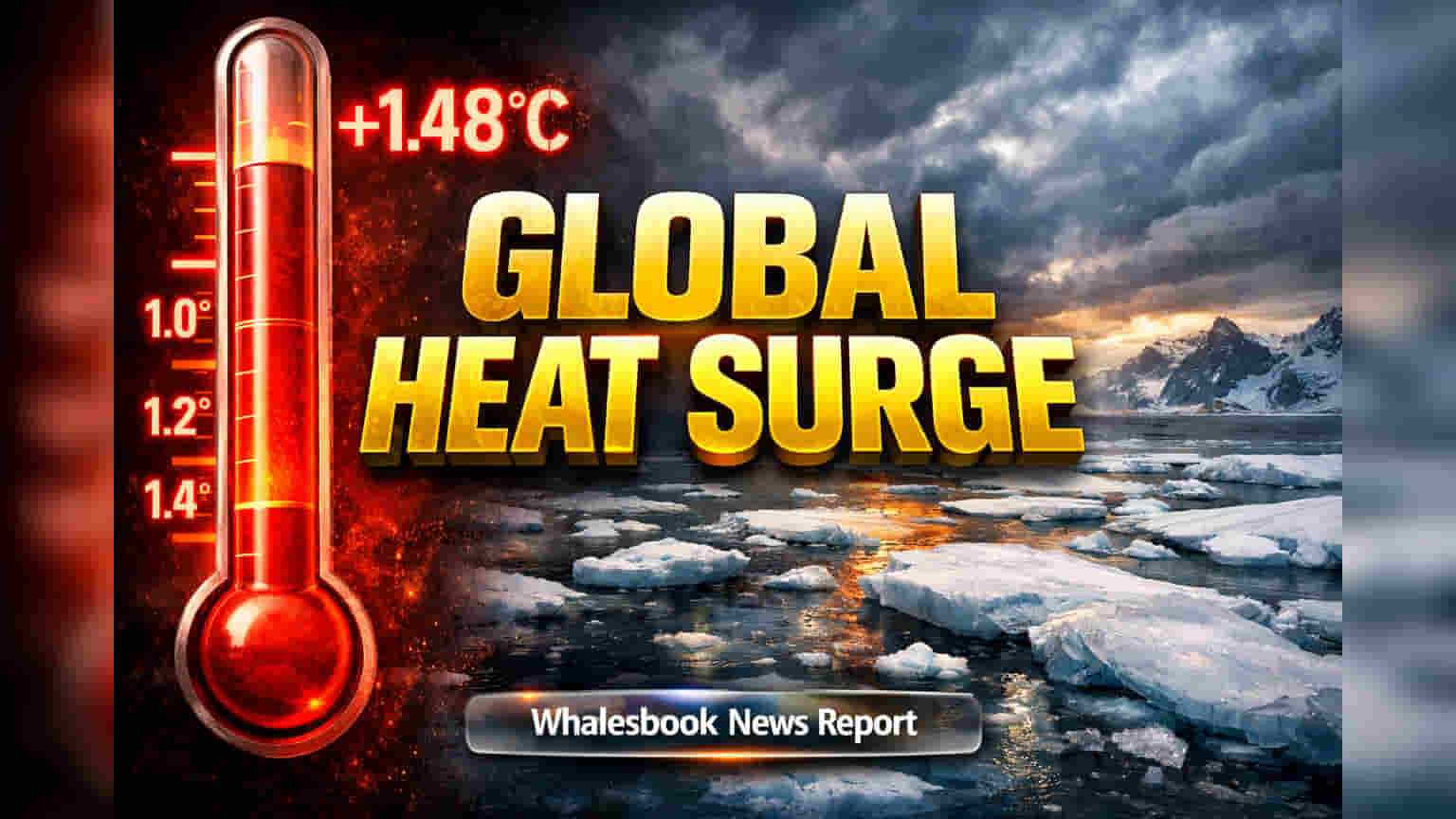


So, numbers dekho toh March 2026 mein poori duniya ka average temperature, pre-industrial levels se 1.48 degrees Celsius upar tha. Ye record mein chautha sabse garam March bana. Samundar ka paani bhi globally doosre sabse garam level par tha, jisse lagta hai El Niño aane wala hai. Aur suno, Arctic ki ice March mein record low par thi, jo 1991-2020 ke average se 5.7% kam thi.
Ab ye sab El Niño aur garmi kis tarah economy ke liye danger hai? Jab samundar garam hote hain toh marine life disturb hoti hai, fisheries industry ko nuksan hota hai. Aur El Niño toh pura scene bigaad sakta hai - kheti-baadi mein gadbad, energy ki demand mein badlav, commodity markets mein uncertainty aur inflation badhne ka risk. Arctic ki ice kam hone se shayad naye shipping routes khul jayein, par iska matlab hai ki weather patterns global level par change ho sakte hain, jisse fasal kam ho sakti hai aur extreme weather (jaise flood, toofan) zyada aa sakte hain.
Pehle bhi jab El Niño aaya hai, toh bade economic jhatke lage hain. Fasal barbaad hui, paani ki kami se hydropower projects par asar pada, energy demand badh gayi. Samundar ka paani badhne se sahari ilakon aur unke infrastructure ko khatra hai, aur insurance companies ko zyada claims dene pad rahe hain. Arctic melt se resources ki availability aur naye shipping routes ka idea hai, par isme geopolitical tensions badhne ka risk bhi hai. Analysts dhyan se dekh rahe hain ki ye climate shifts existing inflation ko kaise aur bhadka sakte hain ya phir se supply chain mein naye bottlenecks paida kar sakte hain.
Apni global supply chains toh pehle se hi pareshan chal rahi hain, upar se ye mausam ki pareshaniyan aur zyada asar karengi. Jo regions zyada garam ho rahe hain, jaise Eastern Europe, US, aur Asia ke kuch hisse, wahan kheti aur paani ki supply par bura asar padega. Wahi, Alaska aur Canada jaise thande ilakon mein energy demand badh sakti hai. Insurance companies ko badhte extreme weather events ke kaaran zyada paisa dena padega, aur tourism industry aur samundar kinare wale ilakon mein property bhi lambe time ke risk mein hai. Ye sab factors milkar global economic growth ko dheema kar sakte hain.
Ab companies aur governments ko apni future planning mein climate resilience aur adaptation ko important banana hoga. March 2026 ka ye data ek wake-up call hai ki businesses ko apne risks ko assess karna chahiye, adaptive technologies mein invest karna chahiye, aur apni supply chains ko zyada mazboot banana chahiye. Experts ka kehna hai ki agar abhi proactive measures nahi liye gaye toh aage jaakar bade economic nuksan ho sakte hain.