 Whalesbook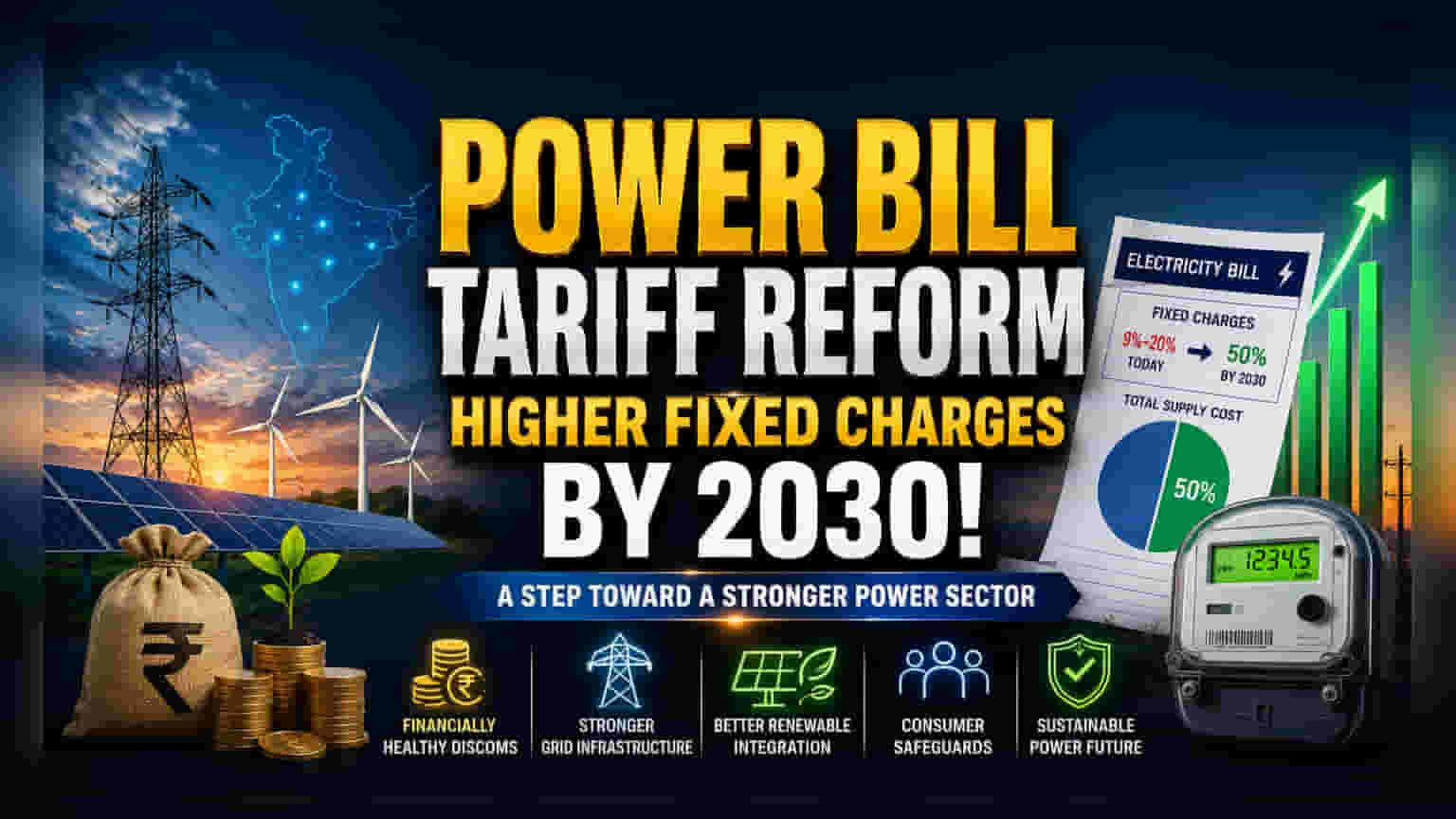


Bro, Central Electricity Authority (CEA) ne ek naya proposal laya hai jisme bijli ke fixed charges badhane ki baat ho rahi hai. Target hai 2030 tak, taki Discoms ka jo ₹7.26 lakh crore ka debt hai, woh kam ho aur unka financial health improve ho. Ab dekhte hain states isko kaise implement karte hain, kyunki isse consumers ke liye bills badh sakti hain.
Kya Hua Hai?
Central Electricity Authority (CEA) ne ek draft proposal nikala hai, jisme bijli ke tariff structure mein bada change lane ki planning hai. Is proposal ke hisab se, bijli bills mein fixed charge ka hissa badhaya jayega, jisse yeh 2030 tak actual fixed costs ke barabar ho sake. Abhi, fixed costs jisme infrastructure, maintenance, aur staff ka kharcha aata hai, woh total supply cost ka lagbhag 50% hota hai. Lekin consumers se jo bill li jaati hai, usme yeh hissa sirf 9% se 20% tak hota hai. Proposal kehta hai ki is imbalance ko theek karna power sector ke liye zaroori hai.
Investors Ke Liye Yeh Kyun Important Hai?
Discoms ki financial health poori power value chain ke liye bahut critical hai. Jab Discoms financially weak hote hain, toh power generators aur transmission companies ko bhi time par payment nahi mil pati. Official data ke mutabik, Discoms ka total debt March 2025 tak ₹7.26 lakh crore ho sakta hai. Yeh debt unki grid upgrades, smart metering aur renewable energy integrate karne ki capacity ko rok deta hai. Investors ke liye, agar fixed charges badh gaye, toh utilities ka cash flow improve ho sakta hai, jisse woh power producers ke liye better partners ban sakte hain.
Fixed Costs Ki Taraf Shift
India ka energy sector tezi se badal raha hai, especially solar aur wind jaisi renewable sources ka use badh raha hai. Thermal power plants ke opposite, renewable projects mein shuru mein bahut investment lagti hai. Inhe storage aur grid connectivity ke liye pehle hi bada kharcha karna padta hai, jiska matlab hai ki fixed costs overall expense ka bada hissa hain. Jaise-jaise grid mein yeh intermittent energy sources badhenge, billing ka tareeka bhi badalna padega. CEA ka proposal yeh baat samajhta hai ki grid ko ab backup aur peaking support ke liye use kiya ja raha hai, jiske liye aisa tariff structure chahiye jo sirf energy consumption se zyada availability ko reflect kare.
Consumer Impact Kaise Manage Hoga?
Is reform mein sabse bada challenge yeh hai ki utility finances aur consumer affordability ko balance kaise kiya jaaye. Fixed charges badhne se monthly bills badhengi, especially unke liye jo kam bijli use karte hain. Proposal recommend karta hai ki regulators ek clear roadmap banayein, jismein yeh changes 5 saal mein implement hon. Ismein consumer safeguards bhi include ho saken, jaise ki kam bijli use karne wale households ke liye fixed charges kam rakhna. Yeh tiered approach vulnerable consumers ko protect karne aur efficient demand management ko encourage karne ke liye hai. Iske alawa, proposal consumer ko apna sanctioned load adjust karne ka smooth process bhi chahta hai, taki woh apni actual usage ke hisab se grid connection rakh sakein.
Potential Risks Aur Challenges
Financial logic toh strong hai, lekin isko implement karne mein kai hurdles hain. Electricity India mein concurrent subject hai, matlab state governments aur unke regulators tariff setting mein bada role play karte hain. Fixed charges badhana politically sensitive ho sakta hai, aur state governments public perception ko lekar tariffs badhane se katra sakti hain. Saath hi, yeh ensure karna hoga ki rooftop solar ya captive power users ko grid support ke liye double charge na kiya jaaye. Agar states mein implementation alag-alag hua, toh power sector mein efficiency fragmented ho sakti hai.
Investors Ko Kya Track Karna Chahiye?
Next important step yeh hai ki individual states aur unke electricity regulatory commissions is proposal par kya response dete hain. Investors ko yeh dekhna chahiye ki states apne annual tariff filings mein in fixed-charge hikes ko include karte hain ya nahi. Yeh bhi important hai ki isse Discoms ki operational performance par kya asar padta hai, specifically unki collection efficiency aur power generators ko time par payment karne ki capacity. Finally, renewable energy ki grid integration ki speed track karne se yeh samajhne mein help milegi ki sector ek sustainable aur cost-reflective billing model ki taraf badh raha hai ya nahi.