 Whalesbook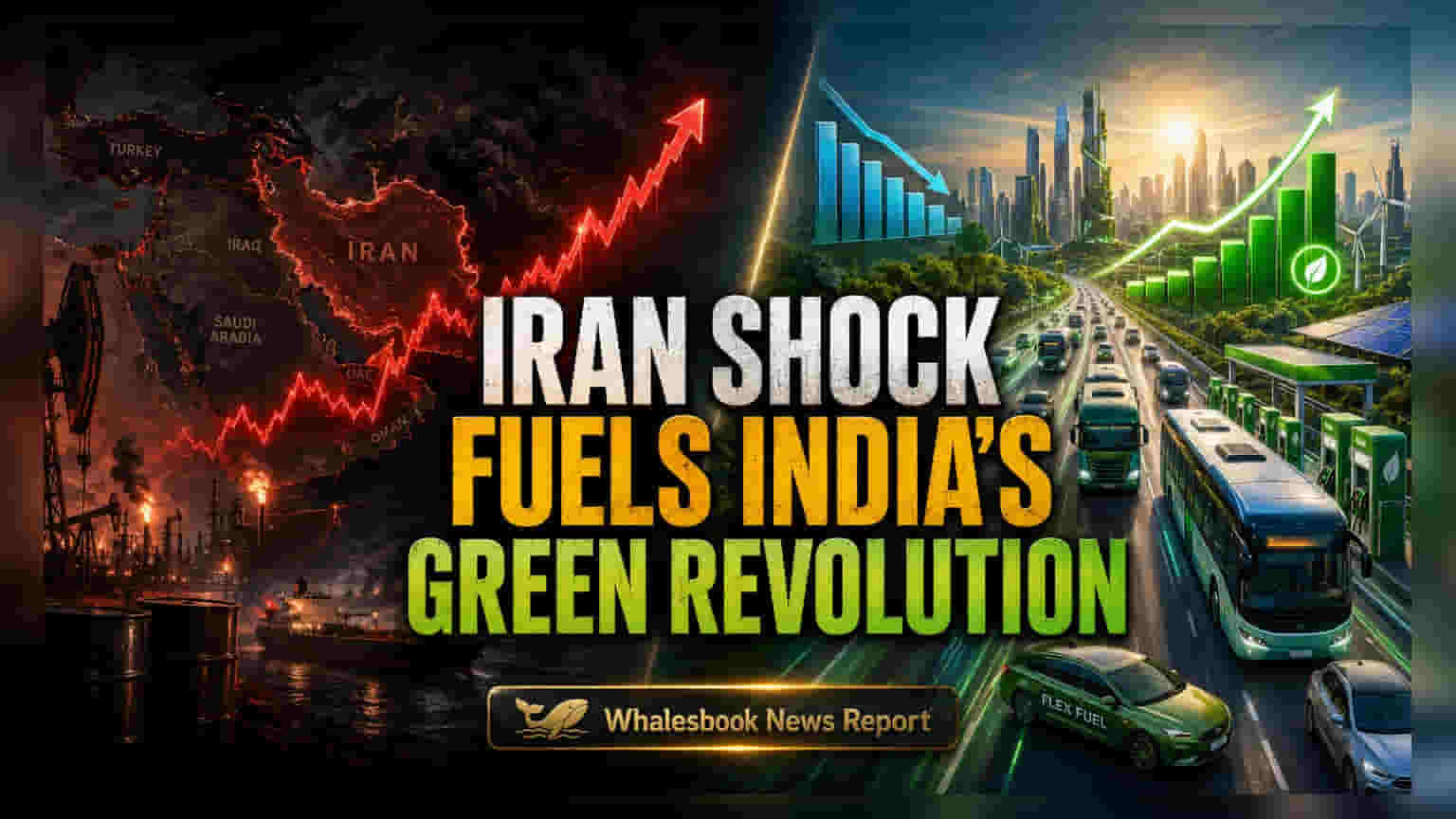


Arre yaar, West Asia mein jo tensions chal rahi hain na, uski wajah se global oil prices aur supply par bahut impact pad raha hai. Is situation ko dekhte hue, India ne apne Electric Vehicles (EVs) aur 100% Ethanol fuel par focus badha diya hai.
Iska main motive hai energy independence paana, Rs 10.9 lakh crore ki import bill ko control karna, economy ko strong banana aur volatile oil prices se hone wali inflation ko manage karna.
Electric Commercial Vehicles ko boost
Government ek bada incentive plan laane wali hai, jisme private operators ko electric buses aur trucks buy karne ke liye encourage kiya jayega. Yeh plan 10 saal tak chalega aur diesel par depend karne wale commercial vehicle sector ko target karega. Iske tahat, har vehicle ke liye ₹1.5 million tak ka interest subsidy aur loans par partial credit guarantee milne ki umeed hai. Isse Tata Motors, Olectra Greentech, aur Ashok Leyland jaisi companies ko fayda ho sakta hai. PM E-DRIVE initiative bhi electric trucks ko directly support karega.
Ethanol Infrastructure ka expansion
Saath hi saath, India apna ethanol infrastructure bhi tezi se build up kar raha hai. Ministry of Petroleum and Natural Gas 2 saal ke andar 5,000 E100 fuel stations kholne ki planning mein hai, jisme se 150 stations bade cities mein start honge. Isko promote karne ke liye, E100 ka price petrol se 30% kam ho sakta hai, aur tax aur GST mein bhi benefits mil sakte hain. Maruti Suzuki aur Tata Motors jaise automakers flex-fuel prototypes par kaam kar rahe hain, jinke launch 2026 ke end tak ho sakte hain. Government ne E30 (30% ethanol blend) ke liye bhi standards set kar diye hain, jo biofuels ko badhawa dega aur crude oil par nirbharta kam karega. India ne 2025 tak 20% ethanol blending ka target pehle hi achieve kar liya hai.
Aane Wali Challenges
Is ambitious plan ke bawajood, kuch roadblocks hain. Automakers flex-fuel vehicles launch karne mein thoda hichkichaa rahe hain kyunki fueling infrastructure abhi kam hai aur pricing bhi clear nahi hai. Nation-wide E100 rollout ke liye kaafi investment aur time lagega. Flex-fuel vehicles ki real-world efficiency aur long-term engine reliability ko lekar bhi concerns hain. Higher ethanol blends ke liye special fueling infrastructure chahiye hoga aur purani gaadiyon ko problems aa sakti hain.
Aage ka raasta
EVs aur ethanol ki taraf yeh accelerated transition energy security, cost reduction aur environmental goals se driven hai. Success ke liye effective incentives, tezi se infrastructure development aur consumer acceptance bahut zaroori hai. Government ka proactive approach India ke energy sector mein ek bade transformation ka signal deta hai, jiska aim energy independence badhana aur imported crude oil par dependance kam karna hai.