 Whalesbook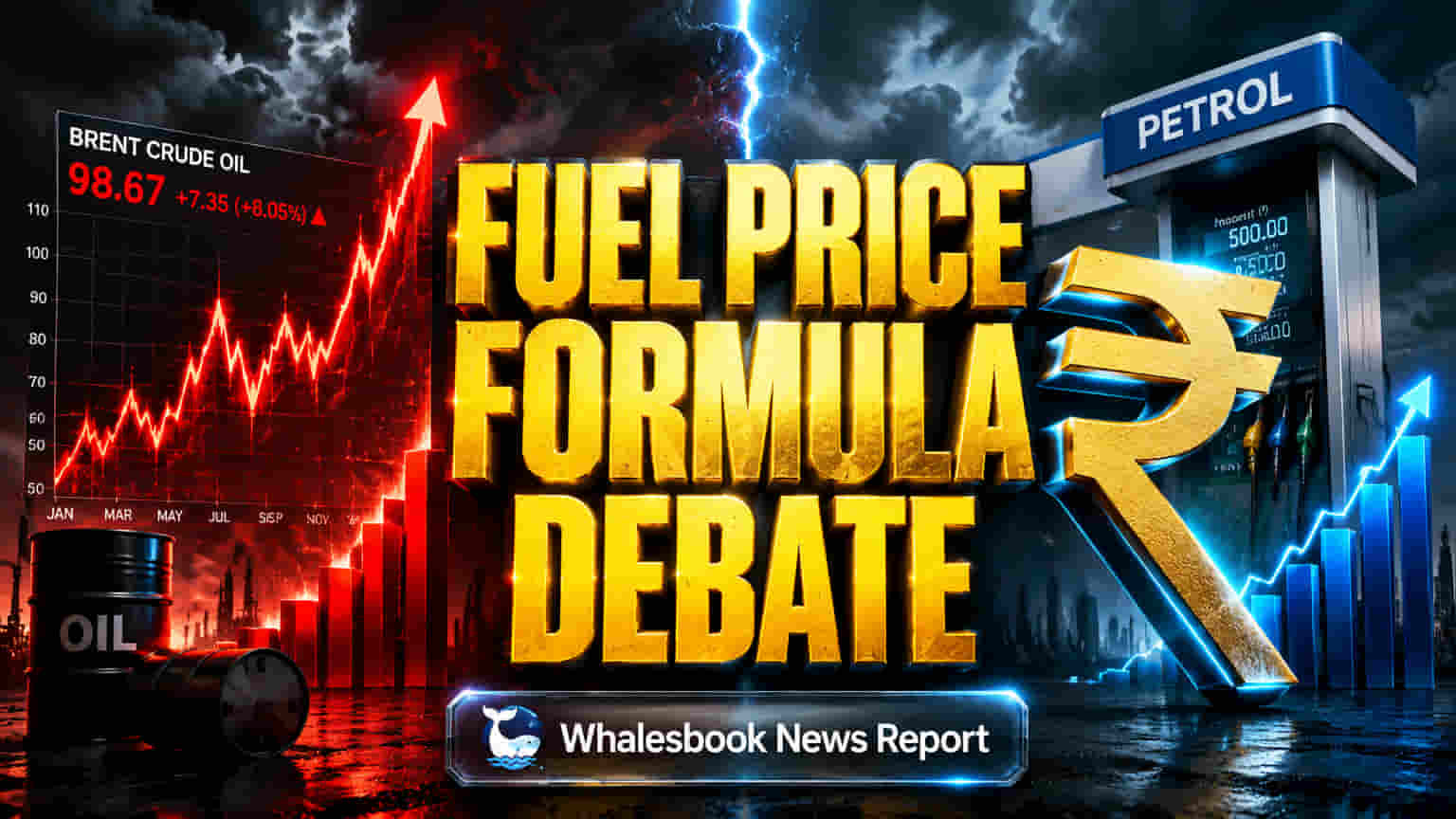


Ab yeh nuksaan ho kyu raha hai, chalo detail mein dekhte hain.
India ki jo badi state-run fuel companies hain – Indian Oil Corporation (IOC), Bharat Petroleum Corporation (BPCL), aur Hindustan Petroleum Corporation (HPCL) – yeh sab milkar har mahine lagbhag ₹30,000 Crore ka nuksaan jhel rahi hain. Iska main reason hai ki woh petrol, diesel, aur LPG ke prices toh wahi rakhe hue hain, jabki global crude oil prices zordaar tarike se badh gayi hain.
Recently, Brent crude oil $100–$101 per barrel tak pahunch gaya tha, jo bas do mahine pehle $70–$72 ke aas paas tha. West Asia mein chal rahi tensions iska bada karan hain. Jab crude oil itna mehenga ho jata hai, toh companies ko petrol par lagbhag ₹20 per litre aur diesel par ₹100 per litre tak ka loss ho raha hai.
Sarkar ne thoda relief dene ke liye excise duty kam ki thi, jismein ₹14,000 Crore ka monthly kharcha hua, par yeh unke total loss ko pura nahi kar pa raha hai. Aur sabse important baat, government ne saaf keh diya hai ki woh companies ko in losses ke liye direct financial help nahi degi.
Ab kuch log, jaise Global Trade Research Initiative (GTRI), keh rahe hain ki fuel pricing ko transparent banana chahiye, ek clear formula publish karke. Jaise global crude prices ko Indian Rupees mein convert karo, phir refining, transport, taxes, aur margins daalo, aur 20% ethanol blending ko bhi include karo. Yeh system alag alag countries mein use hota hai, par asli issue yeh hai ki yeh formulas tab tak faydemand nahi jab tak company ka revenue uske kharche se zyada na ho.
Government ka goal consumers ko volatile prices se bachana hai, par iski kimaat fuel companies ke profits aur unki financial health ko chukani pad rahi hai.
India apna lagbhag 88% crude oil import karta hai. Jab oil prices badhti hain aur geopolitical risks rehte hain, toh Indian Rupee bhi kamzor ho jata hai. Estimate hai ki 2026 tak Rupee ₹90-₹92 against US Dollar trade kar sakta hai. Isse imports aur mehenge ho jayenge, inflation badhegi, aur Current Account Deficit bhi khul sakta hai.
Iska matlab hai ki fuel companies ke profit margins kam ho jayenge aur unka cash flow unstable ho jayega. Unke low P/E ratios bhi ishi risky situation ko dikhate hain (IOC ~5.58-8.54, BPCL ~5.24-5.91, HPCL ~5.16-6.80).
Agar crude oil $80-$85 per barrel se upar chalta raha, toh yeh companies apna kharcha nahi nikal payengi, aur unki investment karne ki capacity bhi kam ho jayegi. Kyunki sarkar direct help nahi de rahi, toh companies ko apne internal finances se hi yeh crisis manage karna padega, energy security aur apni survival ke beech balance banate hue.
Aage ka outlook kaafi difficult lag raha hai. Oil markets mein volatility aur prices ko freeze karne ki policy ki wajah se companies aur puri economy par pressure hai. Experts ko lagta hai ki agar high oil prices chalti rahi toh business earnings recovery mein der ho sakti hai aur stock market bhi affect ho sakta hai.
Agar crude oil $100 per barrel se upar gaya, toh economy mein badi gadbad ho sakti hai. Chahe government consumers ko protect karna chahti hai, par state-run sellers par itna financial pressure hai ki eventually prices badhane hi padenge, shayad elections ke baad. Isse inflation aur economic growth par bhi bohot bada fark padega. Yeh current pricing system sustainable nahi hai, toh ek tough decision lena padega: ya toh government apna budget manage kare ya phir consumers ke liye prices affordable rakhe.