 Whalesbook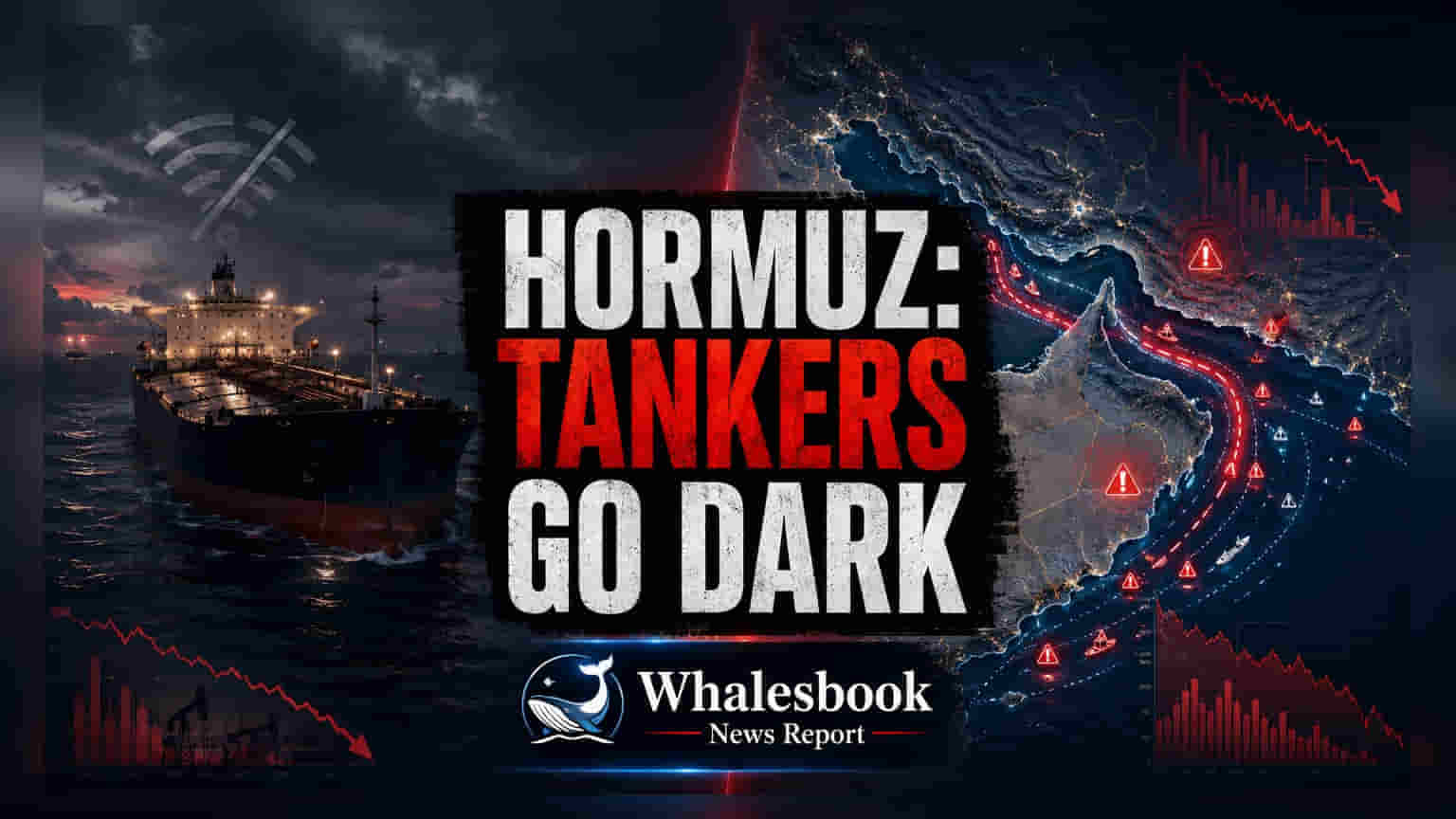


Chupke se kaam karne ka logic?
Dekho, ye jo tankers apna Automatic Identification System (AIS) band kar rahe hain na, ye ek soch-samajh kar liya gaya decision hai. Middle East mein transit ke liye insurance premium bahut zyada ho gaya hai, isliye risk kam karne ke liye ye sab ho raha hai. Jab tanker 'dark' ho jaate hain, toh woh regional actors ki nazar se bach jaate hain aur India aur China jaise bade refiners ke liye supply chain bhi chalti rehti hai. Ship-tracking firms jaise Kpler aur LSEG satellite images se information gather karte hain, par asli baat toh ye hai ki abhi normal tareeke se kaam nahi chal raha, sab log chupke se nikalne ki koshish kar rahe hain taaki contested waters se guzarte hue zyada attention na mile.
Regional Energy Flow par Asar
Jab tankers aise chupke se nikalte hain, toh Asia ke refiners ke liye crude oil ki price mein ek 'risk premium' add ho jata hai. Kyunki ye log transparent tarike se nahi jaa rahe, woh Strait of Hormuz ke strained logistics ko aur complicated bana dete hain. Hindustan Petroleum jaise bade refineries ko supply ki chinta hai, isliye ye stealth movements dikha rahe hain ki ab sirf purane, transparent tarike se kaam karna kaamyaab nahi hai.
Aur ek baat ye hai ki Gulf mein lagbhag 20,000 seafarers abhi ruke hue hain. Ye sirf ek choti moti problem nahi hai, balki global trade ke liye ek bada bottleneck ban gaya hai.
Bear Case: Bade Risks
Investors ko ye samajhna hoga ki ye 'dark' shipping model kitna chalega. Bina active transponder ke, takkar ka risk bahut badh jata hai, khaas kar jab Strait of Hormuz itna congested ho. Aur upar se, international maritime regulators aur insurance companies aise practices par sakhti kar rahe hain. Agar transponder band hone par koi accident ho gaya, toh owners aur charterers ke liye bahut bada legal aur financial nuksaan ho sakta hai. Ye tactic dikhata hai ki log abhi immediate volume par zyada focus kar rahe hain, long-term compliance par nahi. Agar authorities ne mandatory AIS connectivity ko lekar sakhti ki, toh badi problems ho sakti hain.
Market Outlook aur Energy Dependencies
Middle East mein operate karne wale tankers ke liye freight rates mein volatility rehne ki ummeed hai, kyunki insurance ka cost abhi bhi zyada hai. Analysts ka kehna hai ki jab tak region mein diplomatic stability nahi aati, energy importers higher costs accept karte rahenge. Chinese aur Indian refineries par ye reliance dikhata hai ki current geopolitical tensions mein ye situation jaldi solve hone wali nahi hai.