 Whalesbook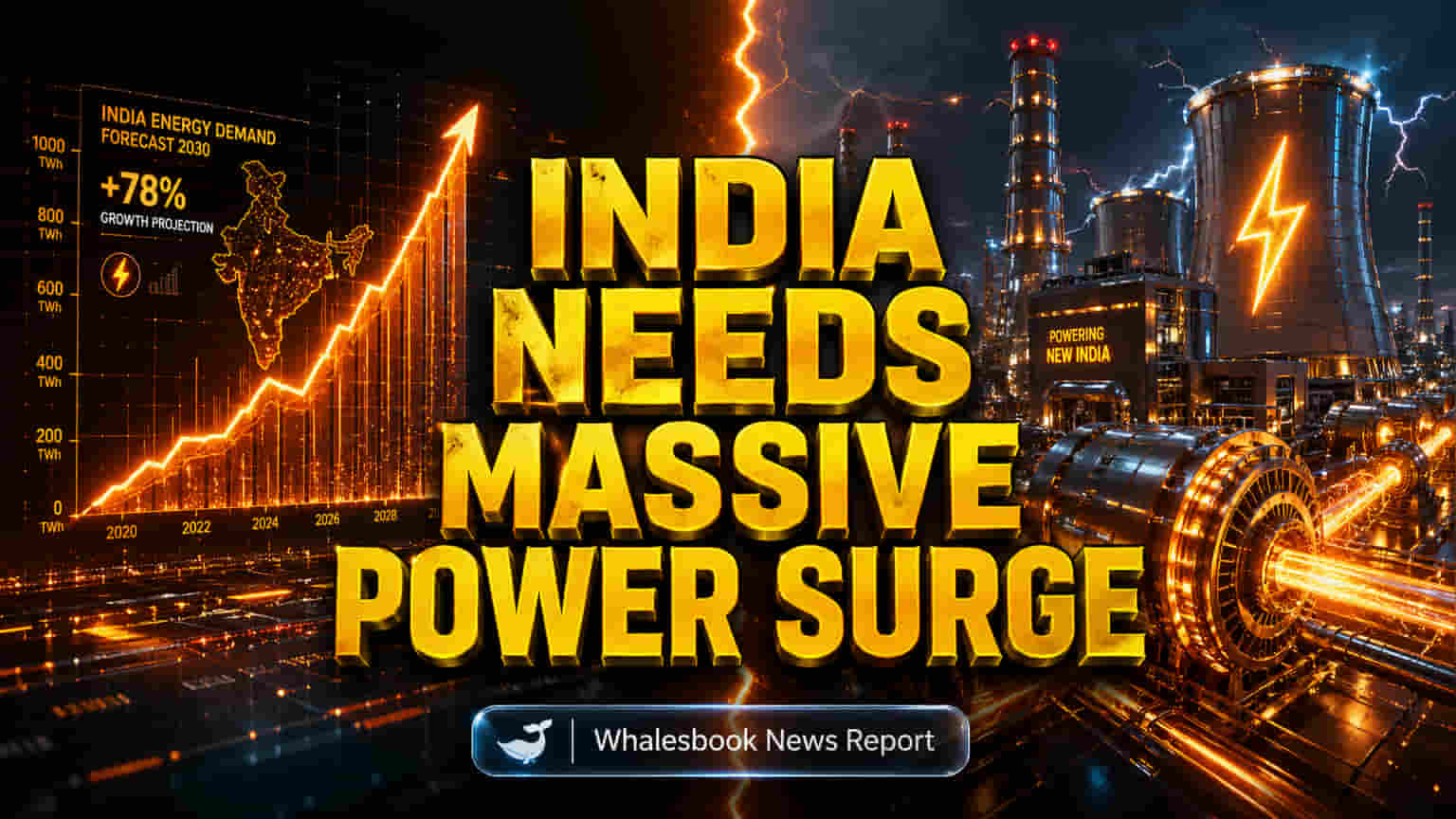


India ke liye Energy Capacity ka urgency
Adani Group ke executive director, Sagar Adani, ne zor dekar kaha hai ki India ko apni power generation capacity tezi se badhani hogi. Unka kehna hai ki agar 2047 tak developed economy banna hai, toh desh ko lagbhag 2,000 GW energy capacity aur jodna padega. Abhi India ka per capita energy consumption global average se kaafi kam hai. Iske liye sabhi sectors mein electrification badhani hogi aur imported fuels par nirbharta kam karni hogi. Energy independence hi desh ki stability ke liye important hai. Demand toh clear hai, asal sawal ye hai ki construction ki speed kitni hogi.
Debt aur Execution Challenges?
Adani Group ka ye ambitious plan practical execution aur financing ke mamle mein kaafi challenging hai. September 2024 tak group ka total gross debt ₹2.8 trillion tha. Haalanki, group ne apna gross debt-to-equity ratio 15-year low yani 1.12 par laya hai, par Adani Enterprises, Adani Energy Solutions, aur Adani Green Energy jaise kuch companies abhi bhi kaafi leveraged hain, jiska debt-to-equity ratio 1.92, 1.86, aur 6.4 hai. Agle 20 saal mein India ke power sector ke liye lagbhag ₹2.2 trillion investment ki zarurat padegi, jisme Adani Group ke targets bhi shamil honge.
Competition bhi kam nahi!
Is race mein competitors bhi peeche nahi hain. Jaise ki NTPC, jo India ka sabse bada generator hai, uska debt-to-equity ratio 1.36 hai, jo Adani Power ke 0.70 se zyada hai. NTPC ki total installed capacity 83.9 GW hai aur 2032 tak 130 GW tak pahunchne ka plan hai. Wahi, Tata Power FY30 tak 30 GW operational capacity ka target rakhe hue hai, jisme se 20 GW clean energy se aayega. Adani Green Energy ne bhi achha growth dikhaya hai, par uska debt-to-equity ratio bahut zyada hai, jiske karan kuch analysts ne stock ko 'Add' rating di hai, par leverage ki chinta bani hui hai.
Leverage aur Execution Risks par Sawal
Adani Group ki aggressive expansion strategy, khas kar energy sector mein, hamesha debt financing aur leverage par depend karti hai. Agar company ki profitability kam hui ya projects mein deri hui, toh debt servicing mein dikkat aa sakti hai. Adani Enterprises ka debt-to-equity ratio haal hi mein 202.5% tak pahunch gaya tha. Iska interest coverage ratio 1.6x hai, matlab interest pay karne ke liye zyada room nahi hai. Adani Power ka P/E ratio 23.4x hai, jo growth ke liye high expectations dikhata hai.
Future Outlook: Growth ke saath Financial Stress?
India ke power sector mein electricity demand 6-6.5% annualy badhne ki ummeed hai, jiske liye kafi investment chahiye. Agle 10 saal mein is sector mein lagbhag $461.95 billion ka investment aa sakta hai. Adani Group 2035 tak renewable AI data centers mein $100 billion invest karne ka bhi plan bana raha hai. Group ke liye successful hone ka sabse bada factor debt manage karna, competition se nipatna aur projects ko efficiently execute karna hoga. Isliye, analysts thoda cautious hain, par Adani Green Energy ke long-term capacity expansion ko dekhte hue 'Buy' rating bhi de rahe hain.