 Whalesbook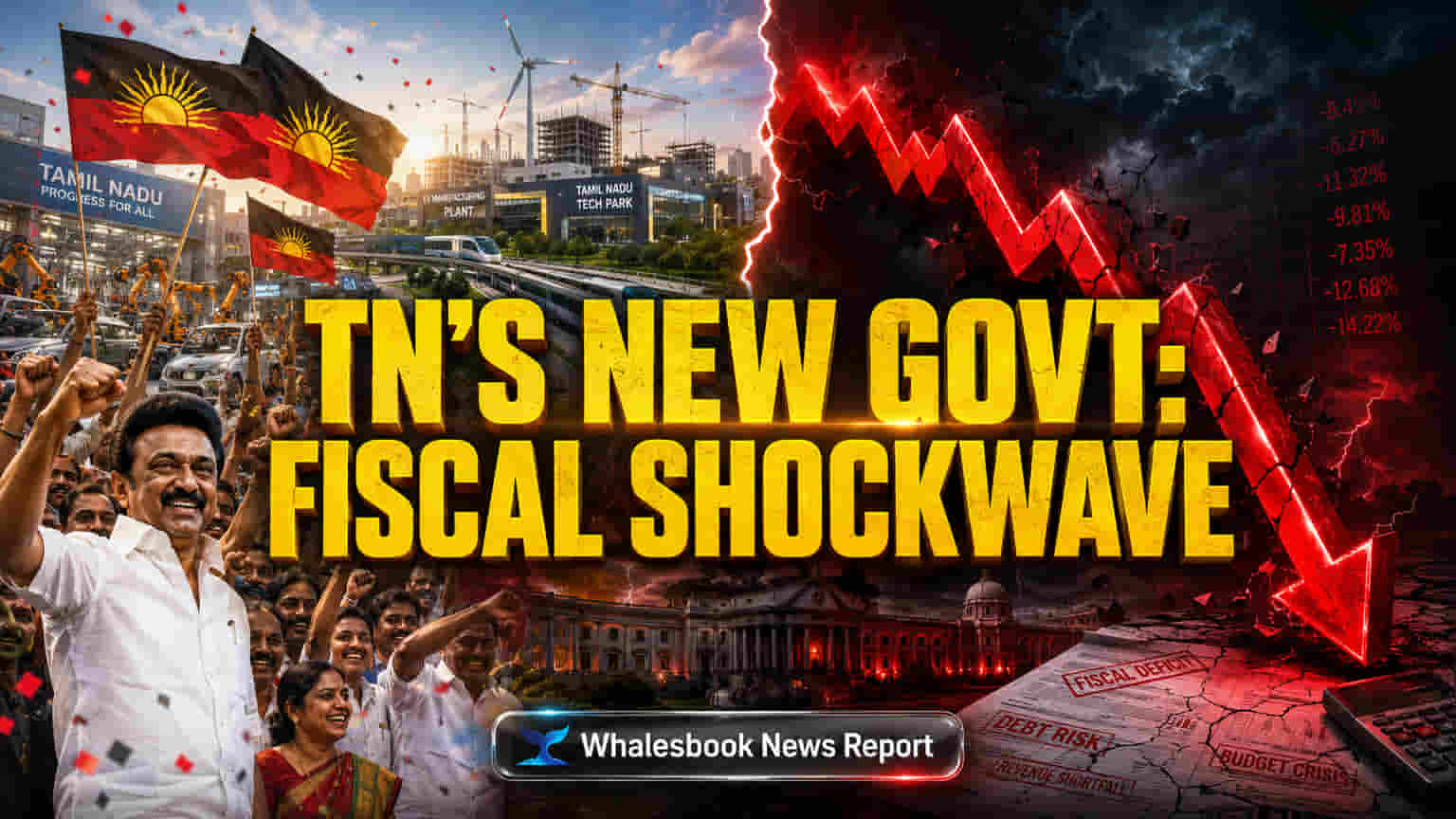


Ab dekho, TVK ne jo-jo promises kiye hain na, jaise har mahine women ko cash, seniors aur unemployed graduates ko help, saath mein kisanon ka crop loan waiver aur utility subsidies... yeh sab milakar saal ka welfare kharch 52% se zyada badh jayega! Matlab, total welfare bill ₹1 lakh crore ke aas-paas pahunch sakta hai.
Agar yeh sab naye revenue sources se nahi aaya, toh state ka fiscal deficit jo budgeted 3.4% of GSDP tha, woh 4% ya usse bhi upar ja sakta hai. Iske liye phir market se kaafi borrowing karni padegi.
Zyada borrowing se state development loans (SDLs) ka kharcha badhega aur infrastructure development ke liye paisa kam ho jayega, jo ki state ki growth ka main engine hai. FY26 tak jo 3% deficit ka target tha, woh toh ab mushkil lag raha hai. Aur waise bhi, Bihar, Andhra Pradesh, Chhattisgarh, aur Madhya Pradesh jaise states pehle se hi FY25 mein 4.5% se zyada deficit face kar rahe hain, toh alag alag states ki haalat alag hai.
Par yeh sab chal raha hai jabki Tamil Nadu ki economy toh kamaal kar rahi hai. FY25 mein 11.19% ki real GSDP growth rate thi, jo bade Indian states mein sabse zyada hai, aur aage 16% nominal growth ka projection hai.
Yahan ka per capita income bhi ₹3.62 lakh hai FY25 mein, jo national average se 1.77 guna zyada hai. Ye dikhata hai ki state kitna resilient hai aur iska industrial base, khaas kar auto aur electronics mein, bahut strong hai.
Foreign Direct Investment (FDI) ke liye bhi Tamil Nadu ek top destination hai. Haalanki, FY24-25 mein national FDI inflows mein iska share 11% se gir kar 7% ho gaya hai, jo investor sentiment mein changes ya market volatility ko indicate karta hai.
Aur ek point jo sabko chaukane wala hai: TVK ka promise ki private sector jobs mein 75% seats Tamil Nadu residents ke liye reserve hongi. Yeh legal aur economic dono hi taraf se sawalon ke ghere mein hai. Dusre states mein bhi jab aise domicile-based reservation policies laayi gayi hain, toh courts mein challenges hui hain. Supreme Court ka bhi rule hai ki total reservation 50% se zyada nahi ho sakta, aur pehle bhi domicile preference ke against rulings aayi hain. Industry groups bhi chintit hain, jaise Karnataka ka private sector job reservation bill bhi backlash ke baad pause kar diya gaya tha. Aisi policies investment ko discourage kar sakti hain aur friction create kar sakti hain, jisse Maharashtra aur Karnataka jaise competing states ko fayda mil sakta hai.
Immediate fiscal projections thoda caution dikha rahe hain. Crisil Ratings ne warning di hai ki agar welfare spending badhi aur revenue growth nahi badhi, toh state ke credit profiles par pressure aa sakta hai. Aur yeh tab hai jab states ka combined revenue deficit FY25 mein 0.7% of GSDP ho gaya hai, aur social welfare pe kharcha badh raha hai.
Tamil Nadu ka debt-to-GSDP ratio FY24 mein 28% tha, aur fiscal deficit to GSDP ratio 3.32% tha, jo pehle se hi 3% target ko cross kar chuka tha.
Agar debt mein badi increase hoti hai, toh borrowing costs badh jayenge, aur SDL spreads 10-25 basis points tak widen ho sakte hain. Isse state ki infrastructure fund karne ki capacity kam ho sakti hai, jo ki economic growth ka main driver hai. Upar se, proposed 75% private sector job quota ko legal challenges face karna padega Supreme Court ke precedents ki wajah se. Sirf yeh policy propose karne se bhi policy uncertainty ka signal mil sakta hai, jo long-term investment ko deter kar sakta hai. History mein bhi dekha hai ki dusri states mein aisi policies ko strike down kiya gaya hai, isliye iske bhi same issue face karne ki high chance hai.
Analysts ko umeed hai ki Tamil Nadu ke strong economic fundamentals, jaise industrial depth, skilled workforce, aur export focus, growth ko maintain rakhenge. State ka 2031 tak $1 trillion economy banne ka projection abhi bhi viable hai.
Lekin yeh growth sustain karne ke liye aane wala budget bahut critical hoga. Government ko fiscal prudence dikhani hogi aur ek clear strategy present karni hogi revenue increase karne ya spending manage karne ki. Yeh bahut zaruri hoga welfare agenda ko accommodate karne ke liye bina capital investment ya state ki credit standing ko risk kiye.
Policy uncertainty ya fiscal missteps ke koi bhi signs investor sentiment ko affect kar sakte hain, jo abhi post-election clarity ka wait kar raha hai.