 Whalesbook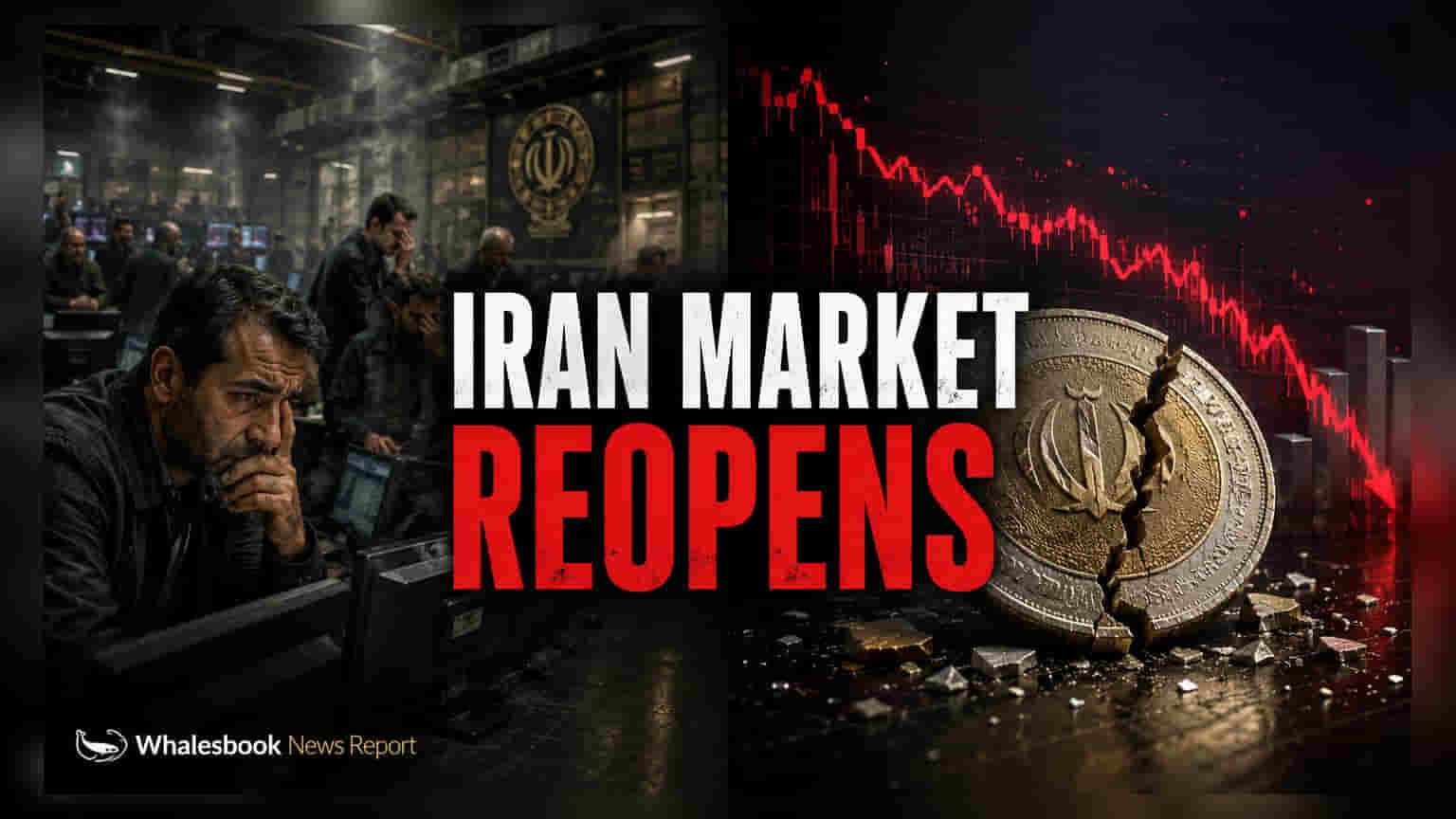


Thodi Rahat, Thoda Dar
Tehran Stock Exchange finally 80 din ke long break ke baad start ho gaya hai, lekin abhi bhi sab kuch normal nahi hai. Lagbhag 36% bade players, jaise petrochemical aur steel companies, abhi bhi band hain. War mein damage ya information dene mein problem hone ki wajah se ye halt hai. Trading time bhi ek ghante ke liye badha diya gaya hai taaki kaam thoda speed pakde. Lekin asli sawal yeh hai ki company ki facilities ki haalat kaisi hai aur production kitna ho raha hai, kyunki security ka bhi issue hai.
Market mein total financial activity abhi bhi banking sector se kam hai, isliye iska performance investors ke mood ko samajhne ke liye important hoga.
Economy Par Dabav
Investors ka bharosa bahut kamzor hai, khaskar jab inflation April mein 70% cross kar gaya tha. Wese toh girta hua Iranian Rial export companies ke liye local currency mein zyada paisa kamane mein help karta hai, par trade mein problem aur exporters ke operational issues ki wajah se long term benefit par sawal hai.
Government ko bhi budget ka bada deficit face karna pad raha hai, jiski wajah se woh economic crisis se ladne ke liye zyada kuch nahi kar pa rahe. Relief ke naam par jo subsidies ya e-coupons diye ja rahe hain, woh bhi zyada help nahi kar rahe. Aur agar inflation rokne ke liye import band kiya gaya, toh recovery aur mushkil ho jayegi.
Purani Problems Aur Future Risks
Asal mein toh Iran ki economy pehle se hi sanctions, mismanagement aur corruption ka bojh utha rahi thi. Abhi jo hua hai usne pehle se kamzor system ko aur tod diya hai, ye koi naya shock nahi hai.
International Monetary Fund ka andaza hai ki 2026 tak Iran ki economy 6.1% shrink ho sakti hai, aur inflation 68.9% tak ja sakti hai. Jo export-focused companies band hain, un par reliance ek badi structural weakness dikhati hai.
Chhote brokerage firms bhi struggle kar rahe hain, aur kai traders ki credit lines expire ho gayi hain. Is wajah se authorities ne temporary basis par aggressive margin calls rok di hain.
Agar dobara conflict shuru ho gaya ya geopolitical tensions badh gaye, toh hyperinflation ka risk hai. US aur Iran ke beech peace deal hi ek aisi cheez hai jo market ke outlook ko asli mein badal sakti hai.
Global Uncertainty Mein Limited Recovery
Kuch economists ko lagta hai ki market ka recover hona actually economy ki buri haalat ka nishani hai, na ki asli positive sentiment ka.
TEDPIX index ne thoda gain dikhaya hai, lekin sirf 28% stocks mein positive trading dekhne ko mili, jo ki ek widespread weakness dikhata hai.
War ka global energy markets par asar, khaaskar Strait of Hormuz ke aas paas, ne supply mein gadbad macha di hai aur prices mein bhi utar-chadav dekhne ko mil raha hai. Ye Iran ki export-dependent industries ke liye aur uncertainty badha raha hai.
International sanctions kitna effective hain aur kya China ab bhi oil kharidega, ye sab Iran ki economic resilience ke liye crucial factors hain.