 Whalesbook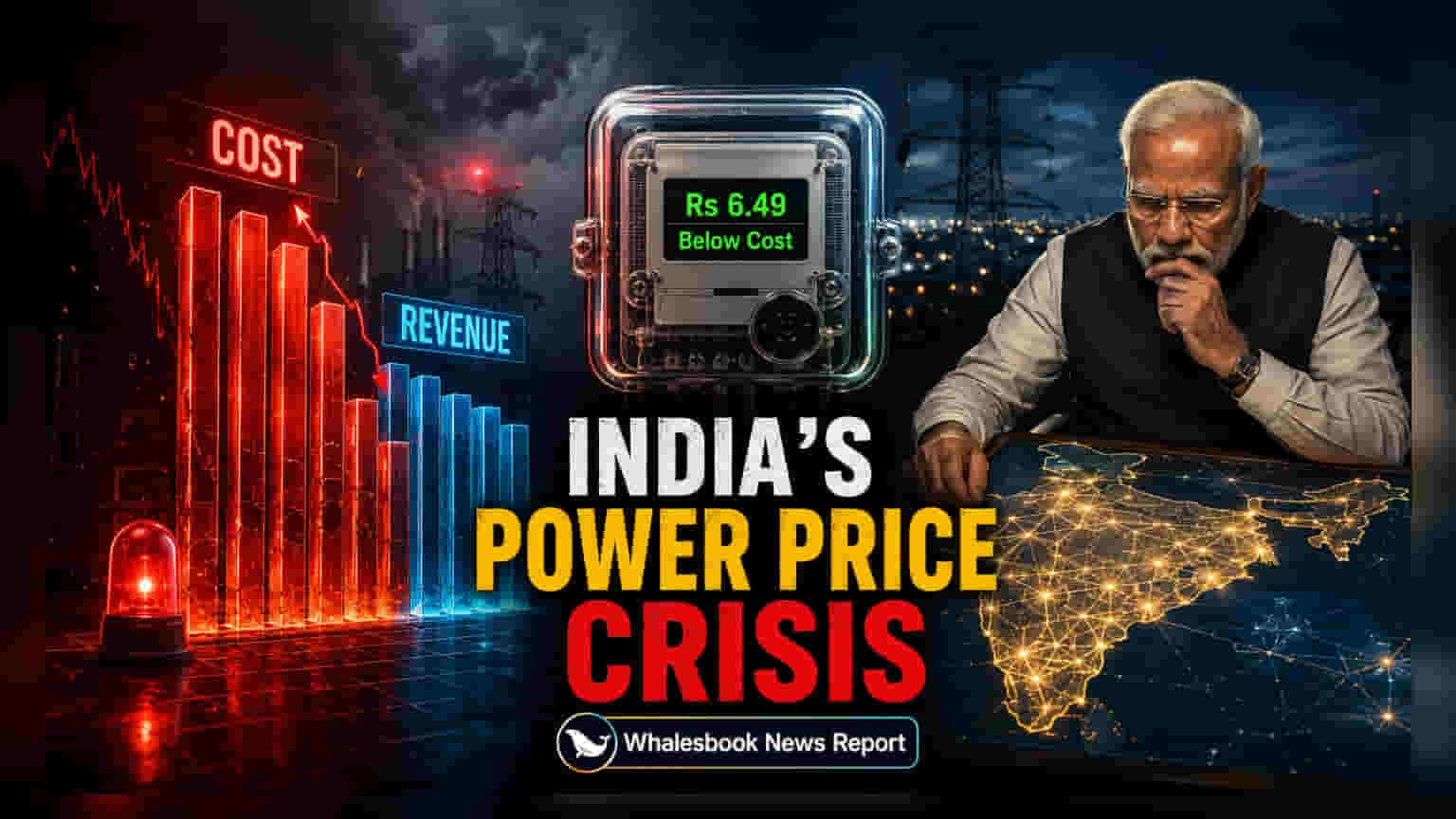


Bijli Pricing Mein Bada Difference
India mein bijli ka rate sach mein supply karne ke actual kharch se kaafi kam hai, jiski wajah se power sector mein badi financial mushkil ho gayi hai. Ab Central Electricity Authority (CEA) ek naya national plan laane ki soch raha hai jisme fixed charges ko adjust kiya jayega aur pricing ko zyada realistic banaya jayega.
Is plan ka maksad Rs 4 lakh crore ka saalana fiscal gap band karna hai, jo India ki GDP ka lagbhag 1.4% hai. Ye gap isliye ban raha hai kyunki average supply cost, distribution companies (discoms) ke revenue se kaafi zyada hai. Examples ke liye, gharon mein bijli ka rate average Rs 6.49 per unit hai, jo global average se aadhe se bhi kam hai. Jabki discoms ko bijli kharidne mein hi Rs 5.38 per unit lag jate hain, aur isme transmission, distribution aur other costs alag hain. Ye bada subsidy financially sustainable nahi hai aur power sector ki health ko nuksan pahuncha raha hai.
Fixed Costs Kaise Recover Karen?
CEA ki analysis mein ek badi samasya fixed costs ko recover karne ki hai. Ye costs, jaise transmission, infrastructure maintenance, staff salaries aur power generators ko payment, discoms ke total annual expenses ka 38% se 56% hote hain. Lekin, unke total revenue ka sirf 9% se 20% hi fixed charges se aata hai. Fixed charges par itna depend karna, jo electricity ke usage par nirbhar karte hain, discoms ko consumption changes aur stranded costs ke liye vulnerable banata hai. Jaise-jaise zyada log rooftop solar use kar rahe hain ya khud bijli bana rahe hain, grid usage kam ho raha hai. Iske bawajood, discoms ko unke liye grid infrastructure maintain karna padta hai, aur sath hi in customers se revenue bhi kam ho jata hai.
Reforms Ko Kaise Manayenge?
Proposed reforms ka focus fixed charges se recovery badhana hai. CEA ne ek gradual plan suggest kiya hai: 2030 tak, domestic aur agricultural consumers fixed costs ka 25% cover karenge, jabki industrial aur commercial users 100% cover karenge. Ye discoms ki finances ko stable kar sakta hai, lekin industrial users jinhe inconsistent electricity chahiye unke liye aur low-income families ke liye yeh ek bada challenge ho sakta hai, jinka bill bahut zyada badh sakta hai.
Isse pehle bhi reforms ko political pressure ki wajah se success nahi mila tha kyunki log kam rates chahte hain. Ab CEA ka ye push kaam karega ya nahi, ye sarkar ke mann banane par nirbhar karta hai ki wo difficult issues ko handle kar paate hain ya nahi aur power sector ki financial needs ko consumers ki affordability ke saath balance kar paate hain.
Sector Ki Health Aur Global View
India ki power distribution companies kai saalon se ₹7 lakh crore se zyada ke debt mein hain. Fiscal year 2025 mein discoms ne ₹2,701 crore ka chhota sa net profit dikhaya hai, jo saalon ke loss ke baad ek potential turnaround hai, lekin debt ka bojh abhi bhi bada hai. Iske alawa, India mein industrial electricity prices kai developed countries ke comparison mein bahut zyada hain, kabhi-kabhi USD 400 per megawatt-hour se bhi upar, jo Indian manufacturers ki competitiveness ko hurt kar sakta hai. Iska ek bada reason cross-subsidization hai, jahan industrial aur commercial customers residential aur agricultural consumers ko subsidize karne ke liye bahut zyada rates pay karte hain. Ye tariffs efficient rate se 50% tak zyada ho sakte hain. Proposed reforms ka aim in imbalances ko theek karna hai, lekin ise implement karne ke liye political sensitivities aur consumer impacts ko carefully manage karna hoga taaki ek stable aur financially sound power system ban sake.