 Whalesbook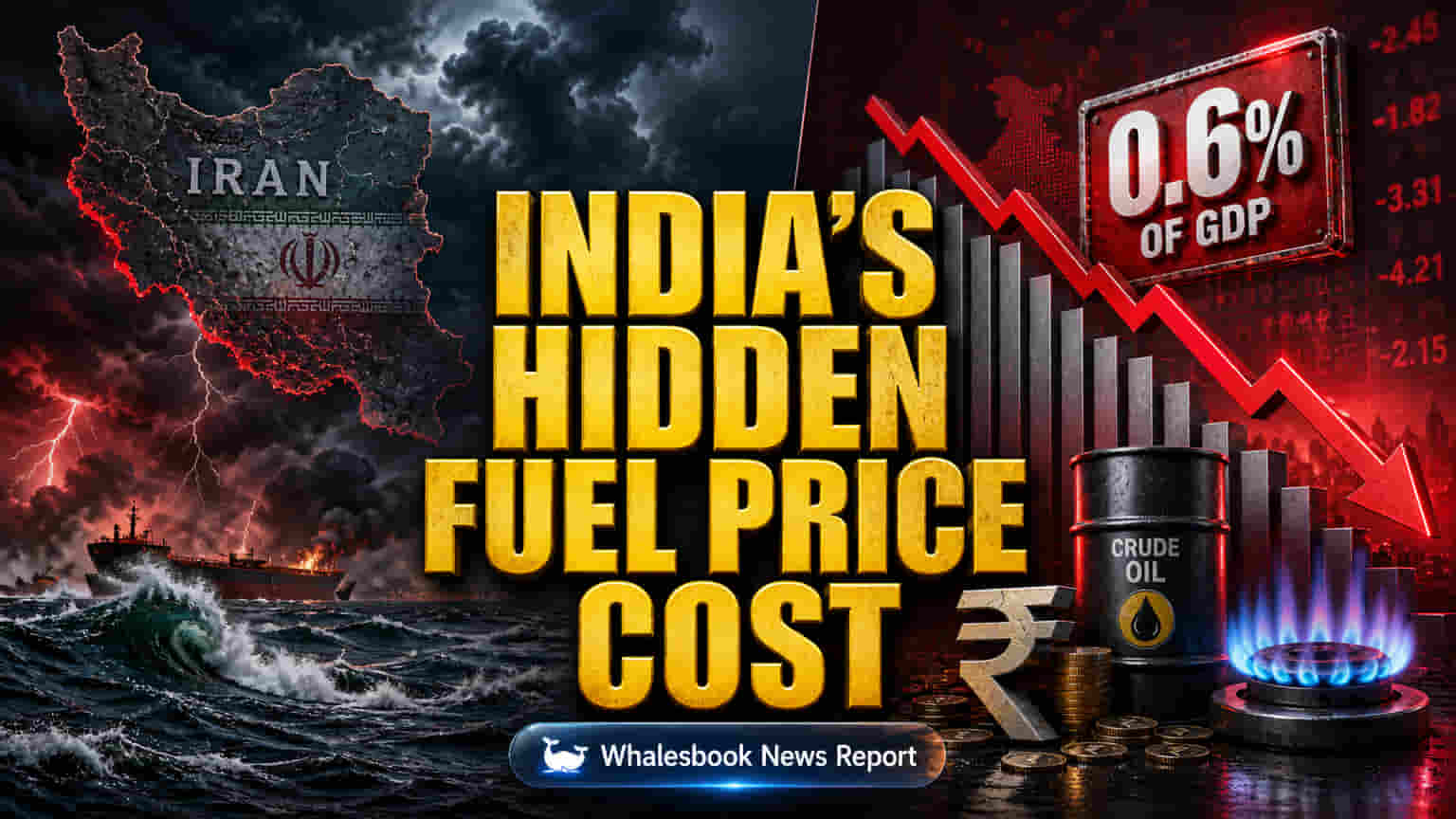


Kya hai yeh 'Fiscal Drain' ka chakkar?
Dekho, jab global market mein crude oil ke prices badhte hain, toh India mein petrol-diesel ke rates ko badhne se roka jaata hai. Yeh achha lagta hai viewers ko, par andar hi andar economy ki 'waat' lag rahi hai. Reports bata rahi hain ki is policy ki cost lagbhag 0.6% of India's GDP hai har saal. Yeh jo paisa hai, woh governments education, healthcare, ya infrastructure jaise zaroori cheezon par kharch kar sakti thi, par ab yeh loan chukane ya debt badhane mein use ho raha hai.
Budget ki waat aur Rupee par pressure
Chief Economic Advisor V. Anantha Nageswaran ne bhi chetaavni di hai ki fiscal deficit target (4.3%) poora karna mushkil ho sakta hai. West Asia mein chal rahe conflicts ke karan global oil prices aur bhi volatile hain. Is situation mein, India ka trade gap (current account deficit) bhi 2% of GDP se upar ja sakta hai, jo ki risky hai. Aur toh aur, India apni 85-88% crude oil ki zaroorat import se poori karta hai, toh price shocks ka asar toh hoga hi.
Sirf Ameeron ka fayda?
Ek aur badi baat yeh hai ki yeh jo fuel subsidies mil rahi hain na, inka sabse zyada fayda wohi log utha rahe hain jo car afford kar sakte hain, yani mostly higher-income families. Jinko asli mein support ki zaroorat hai, un tak yeh benefits kam pahunch rahe hain. Aur jab hum mehnga crude import karte hain, toh rupee par bhi pressure aata hai, jisse baaki sab imports bhi mehngi ho jaati hain aur inflation badh sakta hai. Yahan tak ki industrial electricity rates bhi lagbhag $95 per megawatt hour tak pahunch gaye hain, jo doosre countries ke muqable mein kaafi zyada hai.
Energy Security ka risk aur Future Plan
Fuel prices ko control mein rakhne se India ke cleaner energy goals ko bhi aanch aa rahi hai. Imported fossil fuels par itna nirbhar rehna, khaas kar jab Strait of Hormuz jaise shipping routes par supply disruptions ka risk ho, energy security ke liye khatra hai. India future mein global energy demand ka ek bada hissa hone wala hai, isliye import kam karna zaroori hai. Haalanki, government 500 GW renewable energy ka target 2030 tak rakhe hue hai, par abhi bhi thermal power kaafi bada hissa hai.
Long-term mein yeh strategy tikegi?
Agar global oil prices aise hi high rahe, toh yeh current fuel pricing strategy long-term mein bilkul sustainable nahi hai. Jab tak prices badhenge nahi, public debt tezi se badhega. Hum dekhte hain ki retail petrol aur diesel prices 60+ days se change nahi hui hain, jisse financial burden aur badh raha hai. Experts keh rahe hain ki prices ko gradually global rates ke hisaab se adjust karna chahiye aur zarooratmand families ko direct support dena chahiye. Isse oil import par nirbharta kam hogi aur energy independence badhegi.