 Whalesbook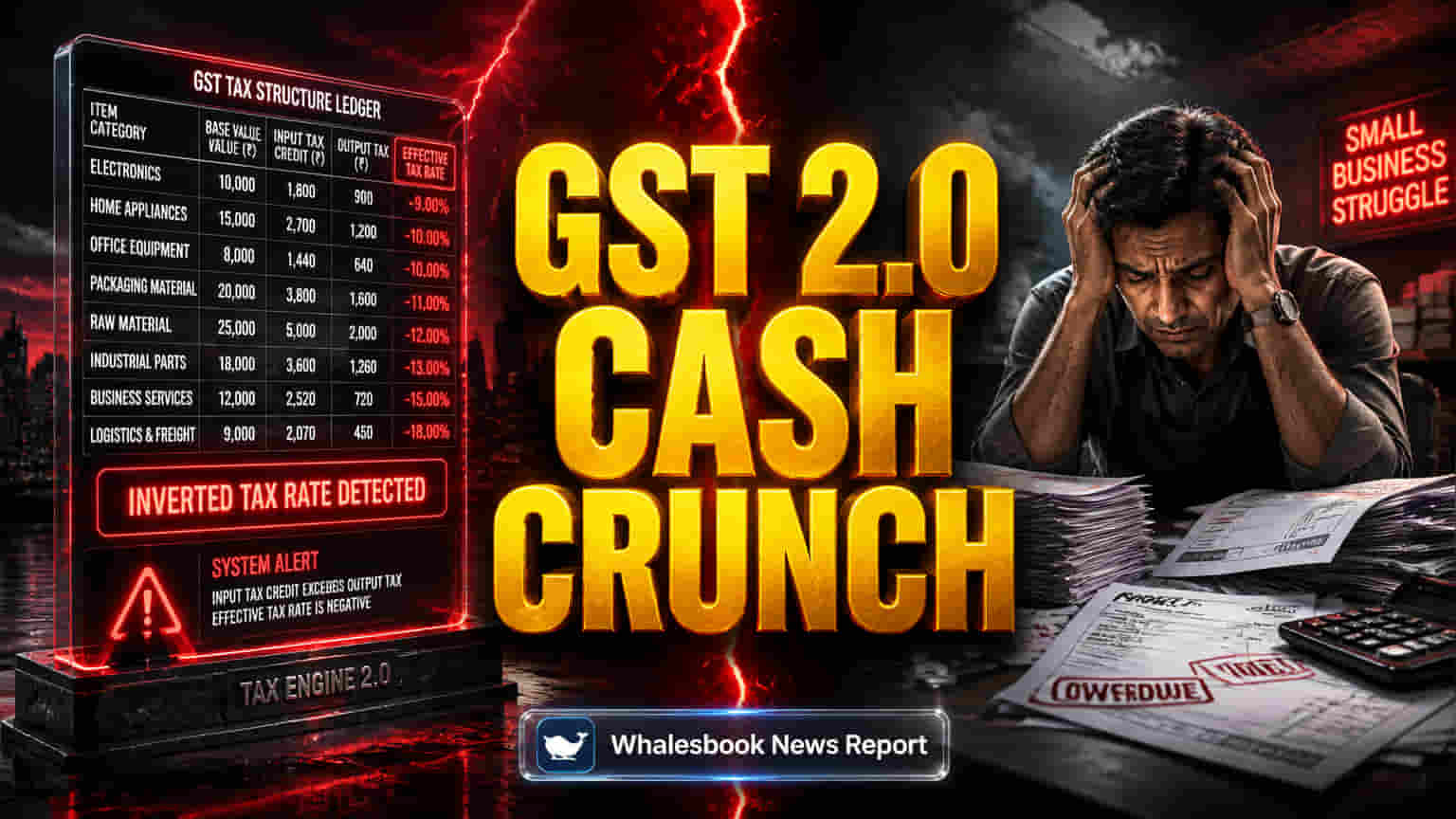


GST 2.0 Ka Trade-Off: Simple Rates, Complex Problems
Jab se September 22, 2025 ko GST 2.0 reforms aaye hain, India ka tax system change ho gaya hai. Sarkaar ne 12% aur 28% wale tax slabs hata diye hain. Ab zyadaatar cheezein 5% ya 18% tax mein aa gayi hain, aur luxury items par 40% hai. Goal tha spending badhana aur compliance aasan karna, taaki India ki economy 6.5-7.6% FY26 mein grow kare. Manufacturing sector bhi achha perform kar raha hai, PMI 50 ke upar hai. Lekin ek badi problem yeh hai ki 'inverted duty structures' (IDS) ka scene abhi bhi bana hua hai ya aur kharaab ho gaya hai.
Inverted Duties Se SMEs Aur Industries Ko Kaise Nuksaan Ho Raha Hai
GST 2.0 ne kai consumer goods ke rates toh kam kar diye, par food processing aur electric vehicles jaisi sectors mein inverted duty structures aur bigad gaye hain. 'Inverted duty structure' ka matlab hai ki raw materials par lagne wala tax, finished product par lagne wale tax se zyada hai. Is wajah se businesses, khaas kar kam margin wale SMEs ko, sales se claim karne se pehle zyada GST pay karna padta hai. Bahut saara paisa Input Tax Credit (ITC) refunds ke roop mein atak jaata hai, aur delays ke karan yeh amount months tak fansa rehta hai. Reports kehti hain ki yeh delays ek chote business ke working capital ka 13% tak bandh sakte hain. Kuch factories toh cash flow ki is dikkat ki wajah se har 10-15 din mein bandh ho rahi hain. Yeh working capital ki kami daily operations ko affect kar rahi hai aur Indian manufacturing ko import se kam competitive bana rahi hai.
Asli Problem: Businesses Ki Liquidity Drain
Asli risk yeh hai ki policy ne demand badhane par focus kiya, tax neutrality par nahi. Jab input taxes output taxes se zyada hote hain, toh business ki liquidity lagataar kam hoti jaati hai. Yeh ek badi concern hai kyunki India ka federal tax-to-GDP ratio (around 11.7%) UK ya South Africa (around 24%) se kaafi kam hai. Refund mein lamba time lagne se sirf profit hi nahi kam hota, balki log informal business practices ki taraf bhi ja sakte hain. GST ke refund rules bhi clear nahi hain, jisse legal disputes ka risk hai aur enforcement bhi uneven ho sakti hai. MSMEs sabse zyada vulnerable hain, kyunki unke paas bade companies jaisa paisa nahi hota jo lambe refund delays ko handle kar sake. Isse unki survival khatre mein hai aur manufacturing growth ke goals bhi slow ho sakte hain.
Experts Kya Keh Rahe Hain?
Halanki GST 2.0 ko simple tax slabs aur kuch areas mein inflation control ke liye tareef mil rahi hai, analysts keh rahe hain ki inverted duty structures ki problem abhi bhi bani hui hai. Jaise, Bank of Baroda ki ek analysis ne bataya ki price effects mix hain: auto aur appliance prices kam hue, par food aur personal care prices thoda badh gaye kyuki input costs badh gaye the, jo GST savings ko partially offset kar rahe the. Experts ka kehna hai ki sustainable growth ke liye sirf simple rates nahi, balki aligned input aur output taxes aur efficient refund systems bhi chahiye. MSMEs ke liye yeh liquidity crunch ek badi chinta ka vishay hai, jo reforms ke goals ko kamjor kar sakta hai. Yeh dikhata hai ki demand ko priority dete hue core tax structure imbalances ko fix karna kitna challenging hai. India ka future is baat par depend karega ki yeh liquidity problems kaise solve hoti hain aur tax compliance kaise improve hoti hai.