

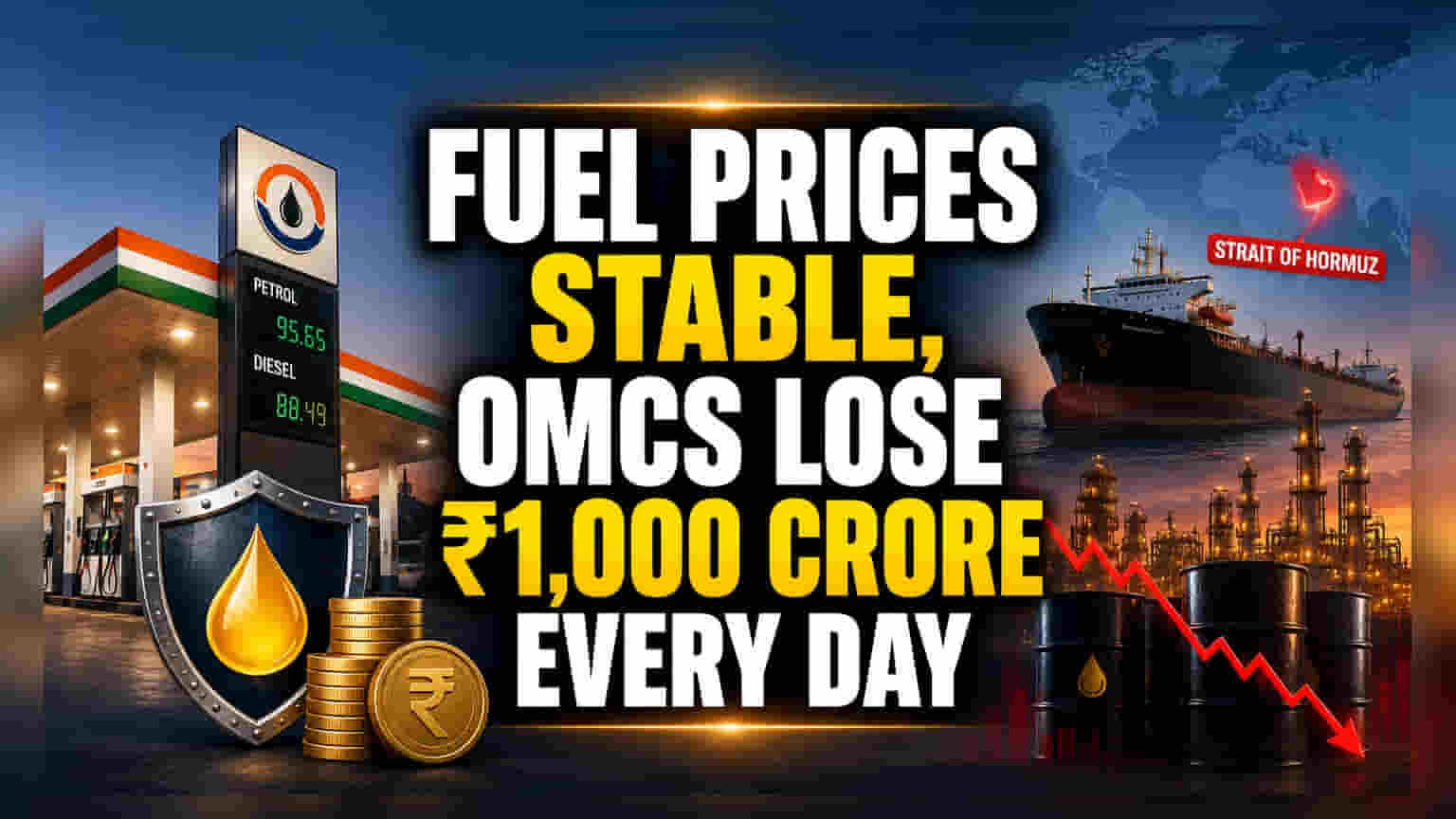
Arre bhai, Union Minister Hardeep Singh Puri ne confirm kiya hai ki India mein petrol aur diesel ke prices bilkul stable hain, chahe global crude oil market mein kitni bhi gadbad ho. Government ne excise duty cut karke bojh kam kiya hai, aur OMCs filhaal ₹1,000 crore ka roz ka nuksaan utha rahi hain.
Kya hua?
Petroleum aur Natural Gas Minister Hardeep Singh Puri ne bataya hai ki India mein petrol aur diesel ke retail prices mostly stable rahe hain, jabki global crude oil market mein kaafi fluctuations chal rahe hain. Sonbhadra, Uttar Pradesh mein reporters se baat karte hue, minister ne government ke efforts par zor diya ki kaise domestic consumers ko global price shocks se bachaya ja raha hai. Unhone bataya ki 2021 se kai baar excise duty kam ki gayi hai taaki retail price increase ko manage kiya ja sake.
Oil Marketing Companies par Asar
Minister ne highlight kiya ki geopolitical tensions, khas kar Strait of Hormuz ke paas, ne India ki oil marketing companies (OMCs) ke liye badi challenges khadi kar di hain. Unhone kaha ki yeh companies filhaal roz ka lagbhag ₹1,000 Crore ka loss bear kar rahi hain. Yeh figure crude oil ki cost aur petrol/diesel jaise refined products ke sale price ke beech ka difference hai, kyunki retail prices kafi time se steady hain.
Investors ke liye, yeh point dikhata hai ki OMCs jaise Indian Oil Corporation (IOCL), Bharat Petroleum Corporation (BPCL), aur Hindustan Petroleum Corporation (HPCL) ko margin pressure face karna padta hai jab global crude prices badhte hain, lekin retail prices policy measures se constant rakhe jaate hain. Yeh losses absorb karne ki capacity aksar government ki subsidy support ya unke khud ke financial buffers par depend karti hai.
Inventory aur Price Outlook
Minister Puri ne future price movements ka outlook bhi diya. Unhone explain kiya ki Indian refineries ke paas filhaal crude oil ki inventory hai jo higher international prices par acquire ki gayi thi. Fuel ki retail pricing aksar in raw materials ki cost se linked hoti hai.
Unhone suggest kiya ki jaise jaise yeh expensive, purani inventories process hongi aur unki jagah lower international rates par kharida gaya crude aayega, toh consumer fuel prices kam karne ki gunjaish ban sakti hai. Lower-cost raw materials mein yeh transition market analysts ke liye ek critical factor hai, kyunki yeh refining aur marketing firms ke operating margins ko directly affect karta hai.
Investors ko Kya Track Karna Chahiye?
Energy sector ke investors ko OMCs ke business health ko samajhne ke liye kuch key variables par focus karna chahiye:
- Global Crude Benchmarks: Brent crude prices ka movement Indian refineries ke input costs ka primary driver bana hua hai.
- Refining Margins: Crude aur finished products ke price spread se refining companies ki profitability decide hoti hai. Kam hota spread margin pressure sign kar sakta hai.
- Government Policy: OMCs ke liye excise duties, windfall taxes, ya direct subsidies par future decisions, sector mein stock performance ke important drivers hain.
- Geopolitical Developments: Strait of Hormuz jaise major shipping routes mein tensions supply chain disruptions aur higher freight costs ka reason ban sakte hain, jo India ke crude imports ki total cost ko affect karte hain.