 Whalesbook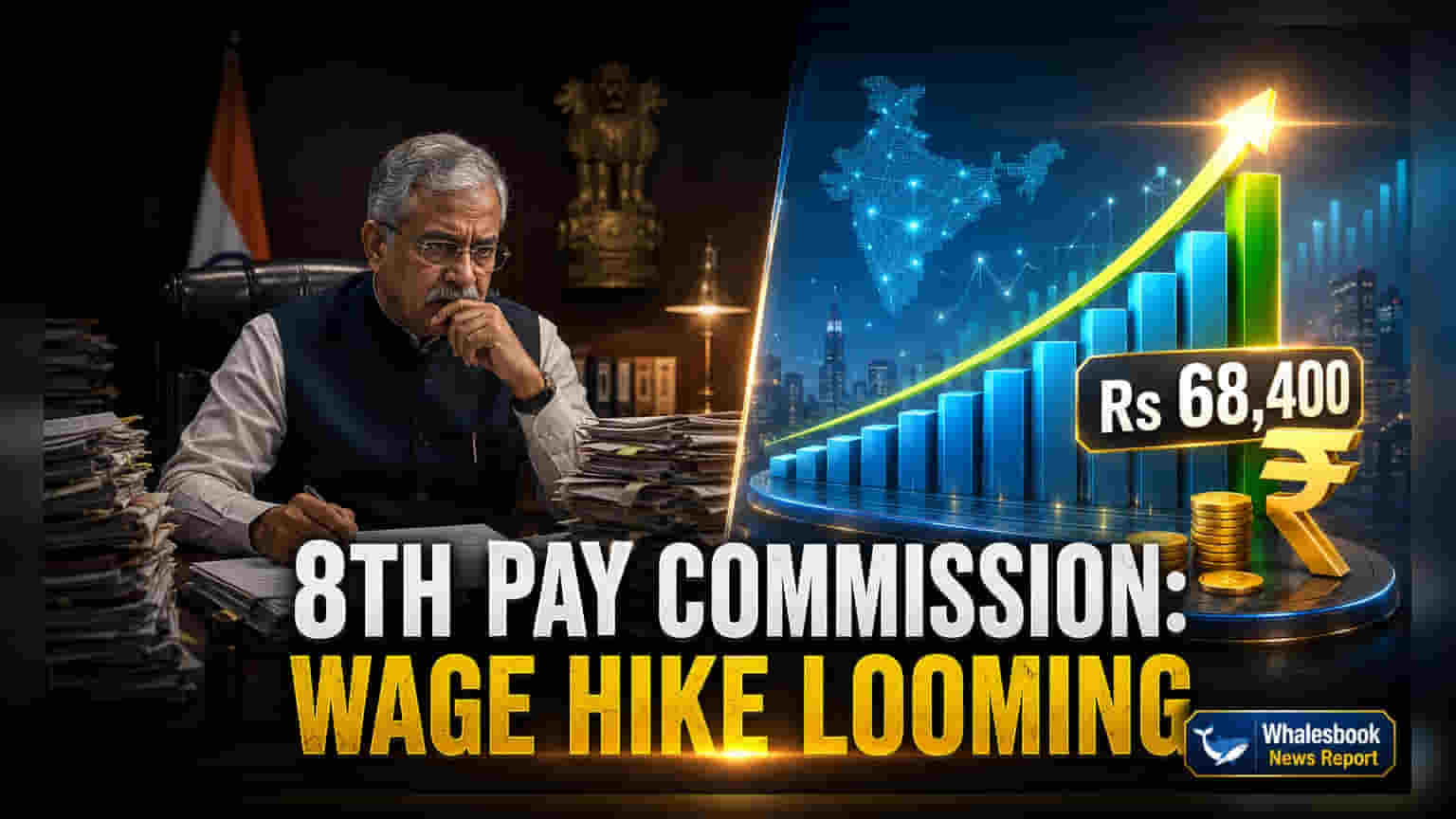


Fitment Factor Ka Bada Scene
Dekho bhaiyo, 8th Pay Commission par abhi chillam chilli chal rahi hai. Sarkari employees aur pensioners ke groups salary aur pension adjustments par baat kar rahe hain. Sabse bada point hai ye 'fitment factor', jo current basic pay ko adjust karne ke liye use hota hai. Union leaders zor de rahe hain ki 3.8 fitment factor zaroori hai kyunki inflation aur rehne ka kharcha bahut badh gaya hai.
Agar ye 3.8 fitment factor approve ho gaya, toh sarkari naukri shuru karne walon ki salary mein accha khaasa izafa hoga. Agar 7th Pay Commission ka 2.57 fitment factor yaad karein, jisne minimum basic pay ₹18,000 set kiya tha, toh 3.8 ke hisaab se entry-level basic pay ₹68,400 ho jayega. Matlab, current salary se kaafi upar.
Salary Changes Ka History
Fitment factor pehli baar 6th Pay Commission mein formal hua tha, jisme 1.86 factor use karke minimum basic pay ₹7,000 set kiya gaya tha. Usse pehle salary badhane ke alag tareeke the. 7th Pay Commission ne 2.57 fitment factor adopt kiya tha, jiski wajah se abhi minimum basic pay ₹18,000 hai.
8th Pay Commission, jo November 3, 2025 ko bana hai, uske paas recommendations dene ke liye 18 mahine hain. Pay Commissions normally har 10 saal mein banti hain. Pichli commissions mein minimum pay mein badhotri dekhi gayi thi: 2nd Pay Commission mein ₹80, 3rd mein ₹185, 4th mein ₹750, aur 5th Pay Commission ne ₹2,550 fix kiya tha, par usmein proper fitment factor nahi tha.
Economy Aur Govt Ka Decision
Ye fitment factor ki discussion seedhi tarah economic conditions se judi hai, khaas kar inflation aur real wage growth se. Ye jo 3.8 ka proposal hai, woh dikhata hai ki union leaders chahte hain ki salary mein acchi khaasi real increase ho, jisse sirf inflation cover na ho balki purchasing power bhi badhe. Ye 7th Pay Commission ke 2.57 factor se kaafi ambitious hai.
Ab final decision depend karega ki sarkar ke paas kitna paisa hai aur woh aise bade salary hike ke economic impact ko kaise dekhte hain. Sarkar ko employees ki demands ko fiscal burden aur economy mein inflation badhne ke risk ke sath balance karna hoga.
Paiso Ki Chinta Aur Risk
Sarkar ke liye sabse badi chinta ye hai ki isse fiscal strain ho sakta hai. Agar 3.8 fitment factor laga, toh central government ka wage bill bahut badh jayega. Isse ho sakta hai ki doosre important services ke liye paisa kam pad jaye ya phir naye tax lagane padenge.
Aur ek baat, agar public sector ki salaries itni zyada badhti hain, toh agar properly manage na kiya gaya toh inflation aur badh sakti hai. History dekhein toh pay commission ki recommendations par negotiate hota hai aur sarkar approve karti hai, toh ho sakta hai final outcome unions ki maang se alag ho. Policy makers kisi bhi badhotri ke long-term financial sustainability ko carefully dekhenge.