

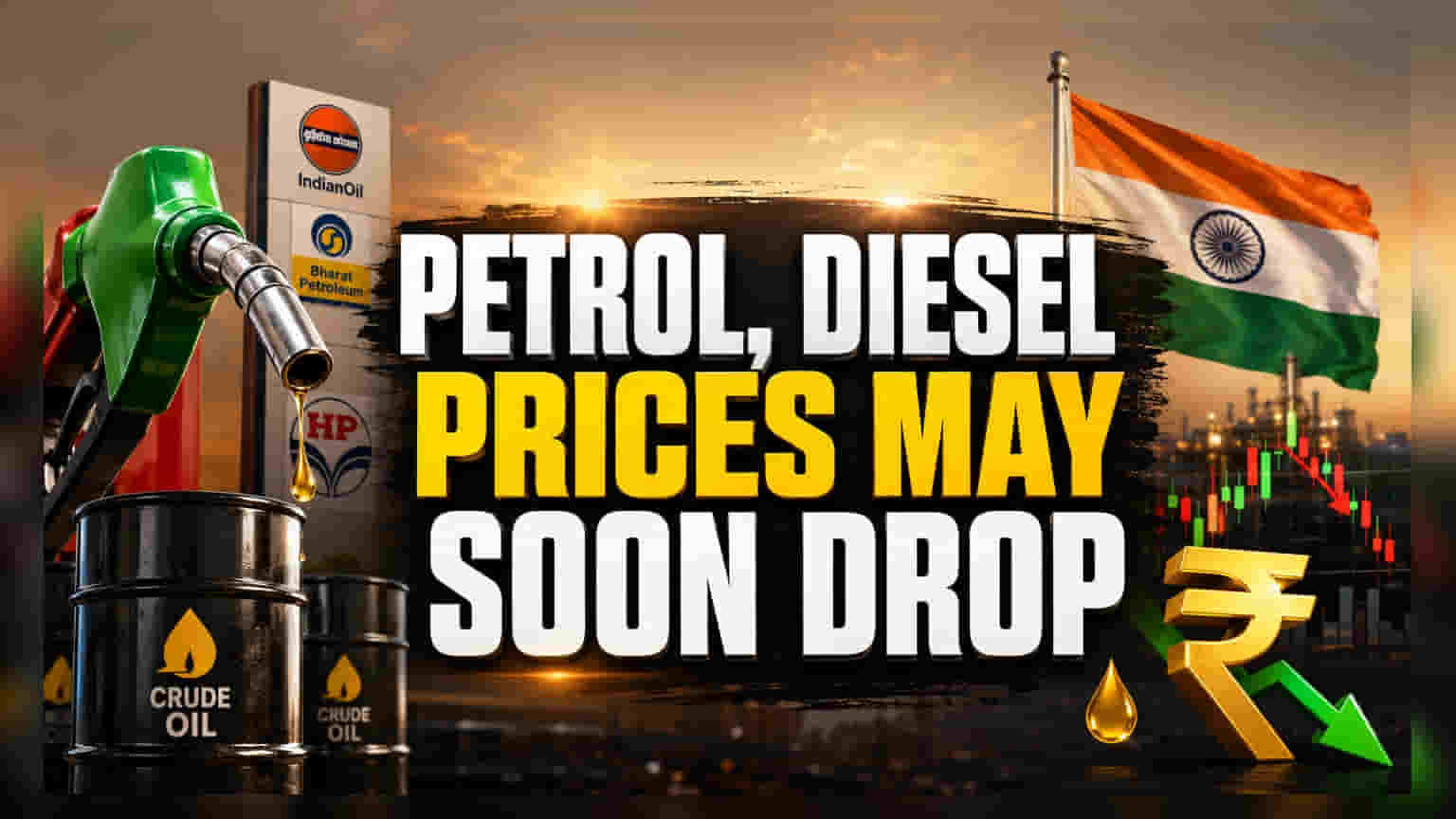
Petroleum Minister Hardeep Singh Puri ne ishara diya hai ki petrol aur diesel ke daam kam ho sakte hain kyuki refiners ab kam daam wale crude oil ko process karna shuru kar rahe hain. Lekin, sarkari oil marketing companies ko abhi bhi daily **₹1,000 crore** ka nuksan ho raha hai, jo ki inflation control karne aur energy companies ke profit ko maintain karne ke beech ki jung ko dikhata hai.
Kya Hua?
Union Petroleum and Natural Gas Minister Hardeep Singh Puri ne Saturday ko kaha hai ki Indian consumers ko jald hi petrol aur diesel prices mein kami dekhne ko mil sakti hai. Minister ne explain kiya ki yeh relief tab milegi jab kam international rates par khareeda gaya crude oil domestic refiners tak pahunchega. Unke statements ke mutabik, oil marketing companies (OMCs) abhi woh stocks process kar rahi hain jo pehle ke global market volatility ke dauran high prices par khareede gaye the.
OMC Margin Pressure Ka Khel
Investors ke liye, main issue India ki sarkari fuel retailers—Indian Oil Corporation (IOCL), Bharat Petroleum (BPCL), aur Hindustan Petroleum (HPCL) ki operational reality mein hai. Yeh companies 'marketing margins' par kaam karti hain, jo ki fuel bechne ki price aur uske procurement, refining, aur distribution ke cost ke beech ka difference hota hai.
Jab global crude oil prices badhte hain, toh in companies ko fuel ke cost aur pump par charge ki jaane wali retail price ke beech ek gap face karna padta hai. Jab woh retail prices ko crude cost ke barabar nahi badha paati hain, toh unhe 'under-recovery', yaani marketing par loss hota hai. Minister ke statement mein daily lagbhag ₹1,000 crore ke losses ka zikr, un firms par financial strain ko highlight karta hai jab unhe retail inflation stable rakhne ke liye high procurement costs ko absorb karna padta hai.
Fuel Prices Investors ke liye Kyun Matter Karte Hain?
Fuel prices Indian economy ke lagbhag har sector ke liye ek critical input cost hain. Jab petrol aur diesel ki prices high rehti hain, toh logistics aur transport costs badh jaate hain, jo manufacturing, FMCG, aur transportation sectors ki companies ke profit margins ko kam kar sakte hain. Iske vipreet, agar fuel prices kam hoti hain, toh yeh inflation ke liye ek relief ho sakti hai, jo consumers ki disposable income ko improve kar sakti hai aur supply chains par nirbhar companies ke liye costs ko kam kar sakti hai.
Government Strategy aur Stability
Minister Puri ne note kiya ki government ne historically excise duty cuts ka use karke consumers ko extreme volatility se bachaya hai. Unhone November 2021 aur May 2022 mein ki gayi duty reductions ko cost pressures ko absorb karne mein key factors bataya. Government ka stance hamesha se inflation control karne ki need aur OMCs ki financial health maintain karne ki requirement ko balance karne ka raha hai. Investors aksar policy statements ko closely watch karte hain, kyunki yeh indicate karta hai ki price adjustment ki anumati dene se pehle government in public sector companies se kitna 'pain' ya loss expect karti hai.
Investors ko Kya Track Karna Chahiye?
Investors ke liye primary monitorable global crude oil prices ka trend hai, khaas kar Brent aur WTI crude benchmarks. Agar crude prices soft rehti hain ya aur kam hoti hain, toh refiners ka cost burden kam ho jata hai, jo OMCs ke liye marketing margins ko improve kar sakta hai. Iske vipreet, agar Middle East mein geopolitical tensions dobara ubharti hain, toh crude prices mein renewed volatility ho sakti hai, jisse OMCs ko lambe samay tak margin compression sustain karna pad sakta hai. Investors shayad upcoming quarterly financial results mein updates dekhenge yeh jaan ne ke liye ki reported losses ko better refining margins se offset kiya ja raha hai ya woh bottom line ko impact karna jari rakhte hain.