 Whalesbook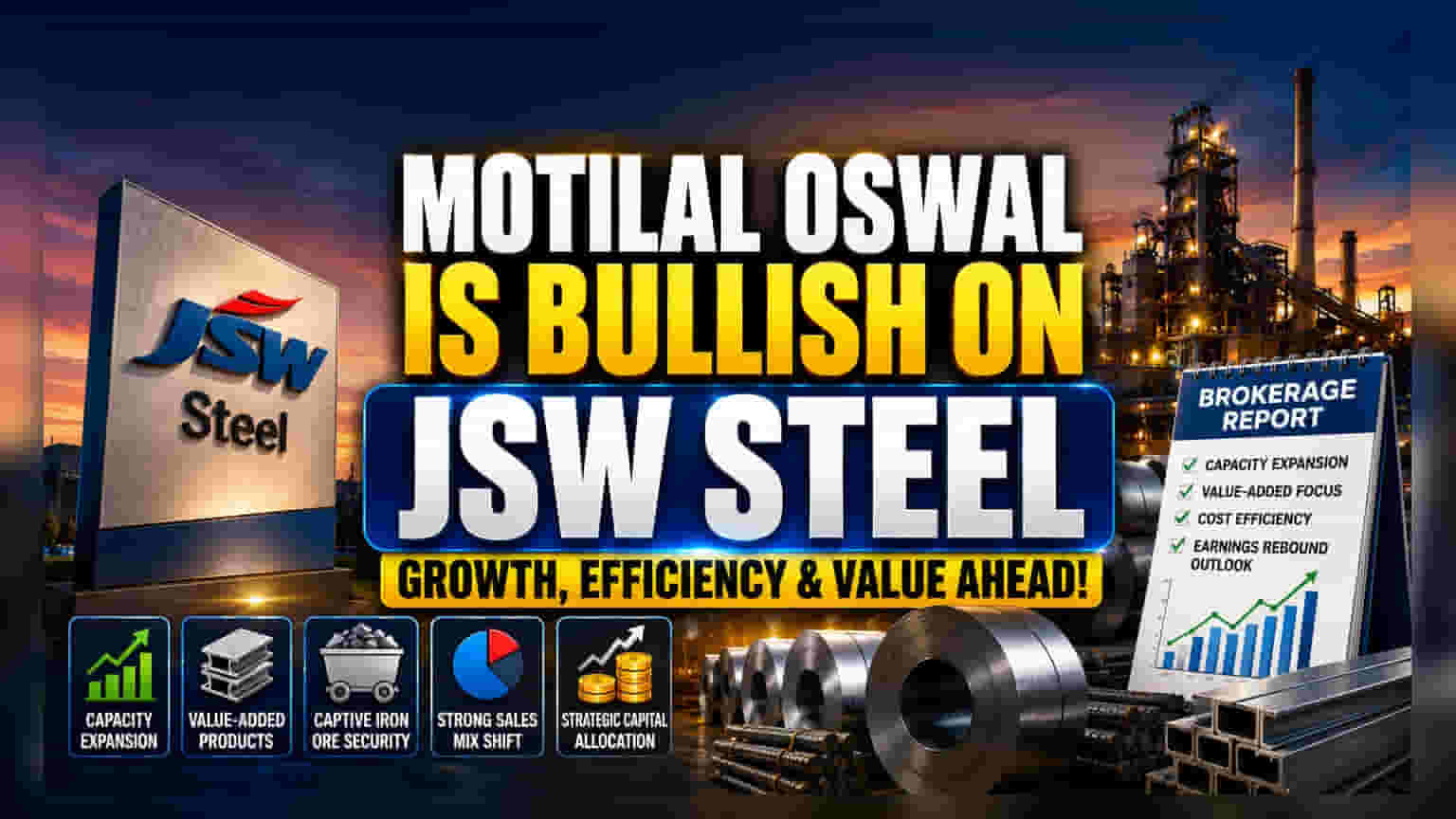


Motilal Oswal naam ke brokerage firm ne JSW Steel ke liye super positive outlook diya hai. Company ka bada expansion plan aur cost control pe focus hai. Analysts bol rahe hain ki agar JSW Steel value-added products ki taraf badhta hai aur domestic demand strong rehti hai, toh future mein earnings badhengi. Ab investors ki nazar project execution aur cost management par hai, especially jab global steel prices upar-neeche ho rahi hain.
Kya hua?
Motilal Oswal ne JSW Steel par ek research report nikali hai, jismein company ke aane wale saalon mein growth ki potential ko highlight kiya gaya hai. Ye report company ke future ke liye kaafi positive hai aur kuch strategic moves par focus kar rahi hai jo performance ko affect kar sakte hain. Sabse important hai company ke capacity expansion projects, jisse production badhne ki ummeed hai, aur sales ko higher-value steel products ki taraf le jaane ka effort.
Brokerage ne ye bhi mention kiya hai ki JSW Steel ne recently Bhushan Power and Steel Ltd (BPSL) mein apni stake bechi hai, jo company ke capital allocation strategy ke liye ek smart move hai.
Investors ke liye yeh kyun important hai?
Brokerage ki analysis growth ko lekar clear picture dikha rahi hai. Steel jaise capital-intensive business mein, long-term value tabhi banti hai jab company efficiently production badha sake aur debt ko manage kar sake. Jab company capacity badhati hai, toh investors ke liye sabse bada sawal ye hota hai ki kya naya capacity time par start ho jayega aur bina balance sheet par load dale high utilization levels achieve kar payega. Higher-value products par focus karke, company commodity-grade steel prices ke fluctuations se apne margins ko bachane ki koshish kar rahi hai.
Cost Efficiency aur Iron Ore Security
Brokerage ki positive view ka ek bada reason JSW Steel ka vertical integration par focus hona hai. Captive iron ore supply secure karna aur coal linkages ko improve karna steel industry mein bahut zaroori strategies hain. Raw material costs steel manufacturer ke liye sabse bada expense hota hai. External market se buying kam karke, company global commodity prices ke sharp fluctuations se apne profit margins ko protect karna chahti hai. Agar yeh sab successfully hota hai, toh steel cycle ke dauran company ki earnings stability improve ho sakti hai.
Business ka bada picture
Indian steel sector mein filhaal domestic demand bahut strong hai, jo mainly infrastructure development aur housing se aa rahi hai. Lekin, ye industry global factors se bhi sensitive hai, jaise ki doosre countries se steel dumping aur international price trends. Domestic consumption ek support toh de raha hai, par company ko capital-intensive operations se jude risks ko bhi face karna hoga. Steel manufacturing mein heavy investment lagti hai, aur companies ko expansion spending aur debt management ke beech balance maintain karna padta hai. Brokerage ke model ke according, EBITDA per tonne mein potential rebound aa sakta hai, jo operational efficiency measure karne ke liye investors use karte hain.
Potential Risks aur Concerns
Sector ko monitor kar rahe investors ko kuch inherent risks ka dhyan rakhna chahiye. Steel ek cyclical industry hai, matlab economic conditions ke hisaab se demand aur prices mein kaafi fluctuations aa sakte hain. Project execution risk bhi ek factor hai; capacity badhane mein delays ya naye plants mein technical issues cost overruns kar sakte hain, jisse cash flow par pressure aa sakta hai. Aur haan, captive resources cost manage karne mein help karte hain, par agar global demand kam hoti hai, toh company broader commodity price risks ke liye exposed rahegi. Heavy capital spending ke dauran high debt levels ko manage karne ke liye disciplined financial planning ki zaroorat hai.
Investors ko kya track karna chahiye?
Aage chal kar, shareholders ke liye sabse important monitorable naye steel plants ke commissioning timelines honge. Is area mein delays revenue realization ko push back kar sakte hain. Investors quarterly results mein net debt-to-EBITDA ratio ko bhi track karna chahenge taaki yeh ensure ho sake ki expansion plans unsustainable leverage create nahi kar rahe hain. Aur finally, company ke product mix ko monitor karna—specifically, kitne value-added products beche ja rahe hain—yeh insights dega ki commodity-grade steel se dur jaane ki strategy behtar margins la rahi hai ya nahi.