 Whalesbook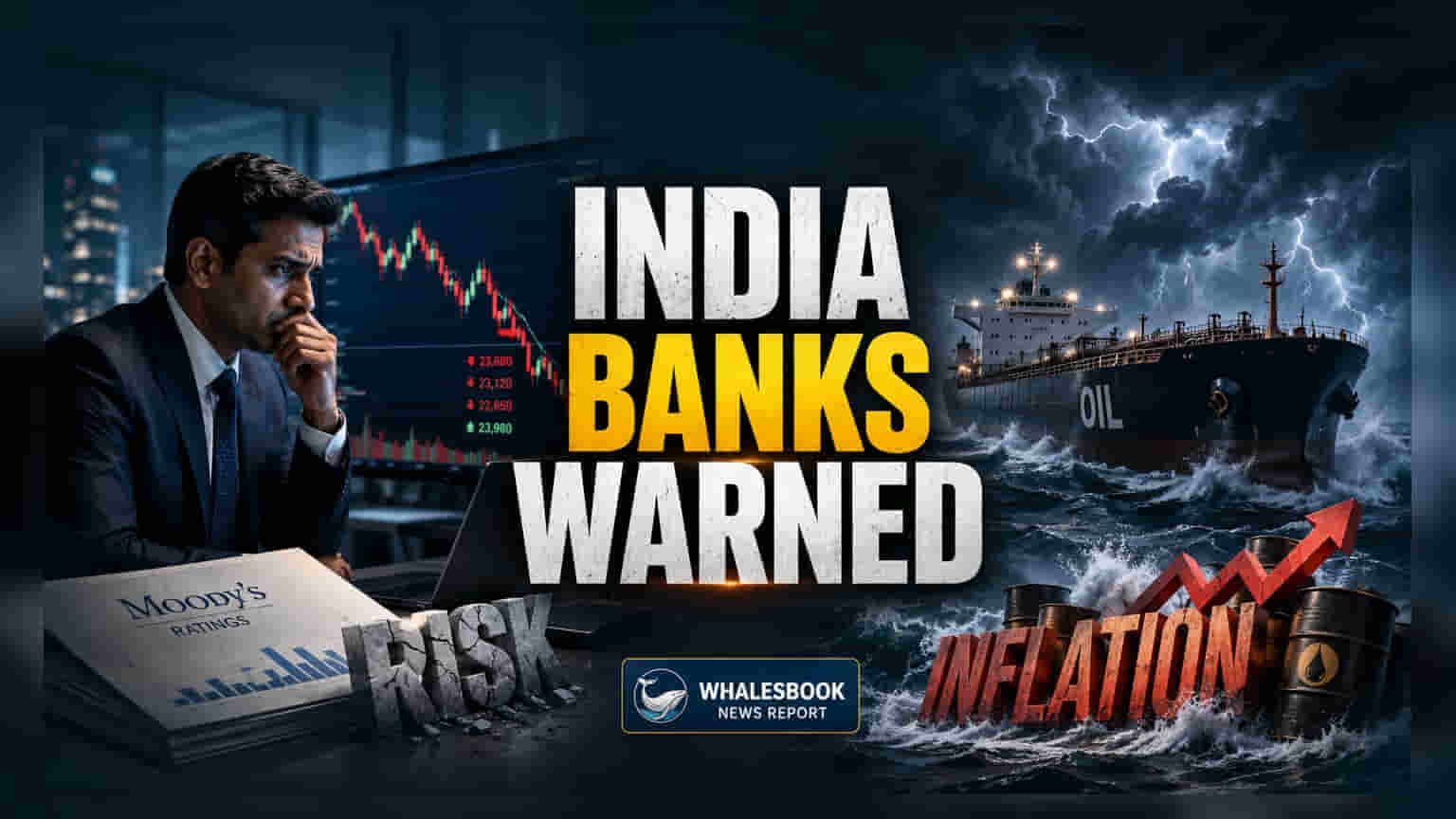


West Asia Crisis Ka India Banks Par Asar
Yaar, West Asia mein jo situation chal rahi hai, woh sirf supply chain ki problem nahi hai, ab toh Indian banks ke liye bada economic threat ban gayi hai. India nearly 90% crude oil import karta hai, aur Strait of Hormuz ke paas koi bhi gadbad matlab economy par seedha tax lagne jaisa hai. Moody's keh raha hai ki oil prices $90 se $110 per barrel ke beech mein 2026 ke teesre quarter tak reh sakti hain. Iska matlab hai ki high energy costs, jo pehle toh inventories mein manage ho gaye, ab consumers ki khareedne ki taakat ko aur borrowers ki loan wapas karne ki capacity ko effect karne lagenge.
Banks Ki Capitalization Aur Strength
Global economy mein jitni bhi uncertainty ho, Indian financial institutions filhaal kaafi strong position mein hain. Late 2025 tak, commercial banks ke capital adequacy ratios around 17% the, jo regulatory minimums se kaafi upar hain. Reserve Bank of India (RBI) ne haal hi mein Common Equity Tier 1 capital calculations mein quarterly profits ko include karna aasan bana diya hai. Yeh regulatory change banks ko apne balance sheets ko strong karne aur potential credit losses ko better manage karne mein help karta hai.
Lending Mein Kahan Hai Risk?
Lekin bhai, strong capitalization ke bawajood, kuch areas mein risk to hai jisse loan quality jaldi gir sakti hai. Non-bank financial companies (NBFCs) aur unsecured retail lending sector sabse zyada exposed hain. Lagbhag half of all unsecured retail borrowers ke paas multiple loans hain, matlab agar ek loan default hua toh yeh borrower ke liye badi financial problem sign ho sakti hai. Banks ne bad loans ko historic lows tak kam kiya hai, par unsecured lending ka rapid growth, jo digital platforms se hua hai, woh ek bada concern hai. Agar RBI inflation control karne ya rupee ko protect karne ke liye interest rates badhata hai, toh in borrowers ke loan payments bahut badh sakte hain, aur credit quality mein jo improvement dikha hai woh reverse ho sakta hai.
Monetary Policy Ka Role
Indian banks ka future bahut depend karta hai ki RBI rising imported inflation par kaise react karta hai. Consumer price inflation fuel costs ke liye sensitive hai, isliye central bank ke monetary policy decisions bahut important hain. Kuch analysts ka kehna hai ki persistently high crude prices RBI ko fiscal year ke baad interest rates par hawkish stance lene par majboor kar sakti hain. Higher interest rates se banks ke funding costs badhenge, unke profit margins aur tight ho jayenge, aur ek cautious economic climate mein loans grow karna aur bhi mushkil ho jayega.