 Whalesbook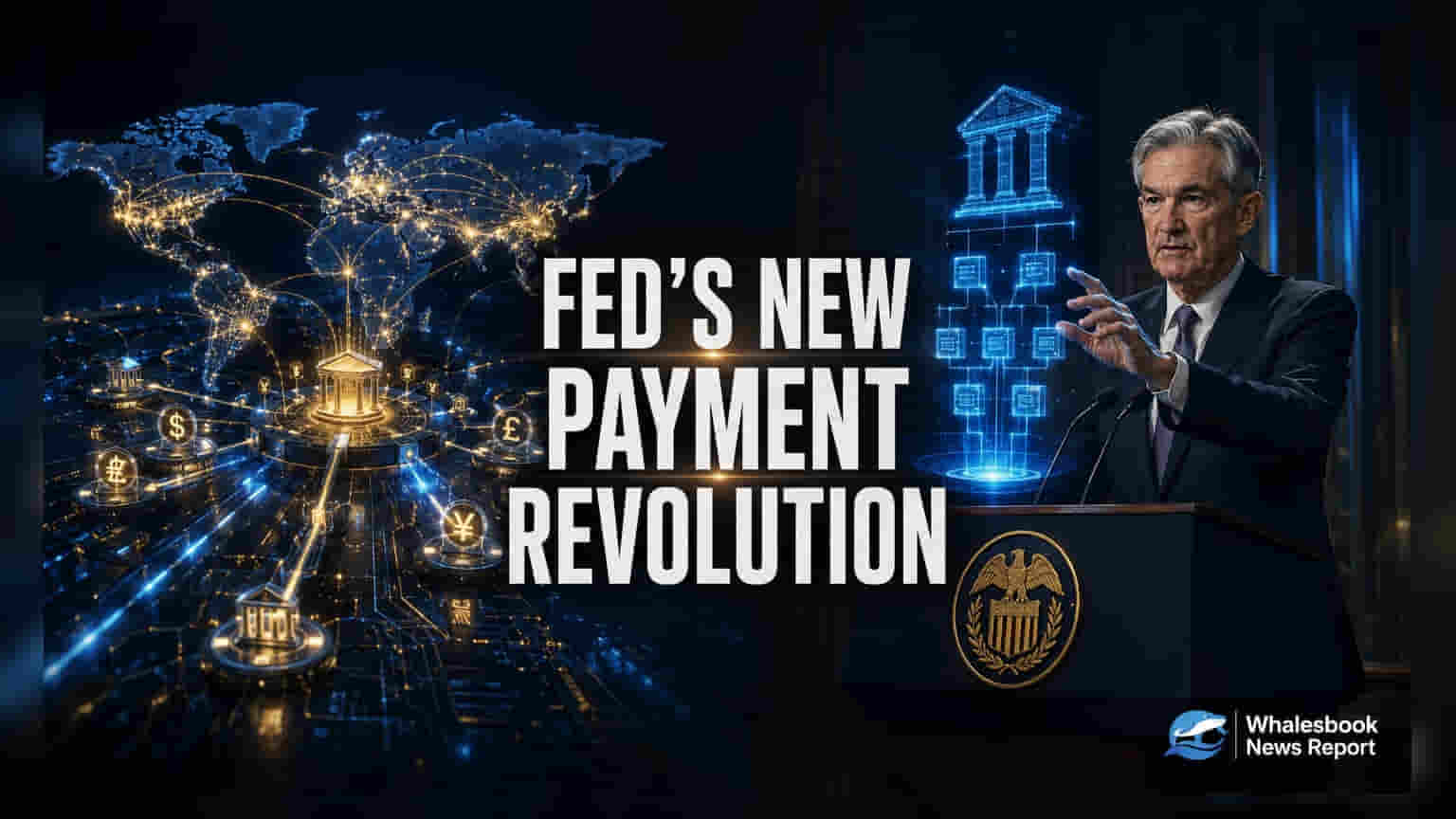


Fed ki taraf se payment system mein bada badlav!
U.S. Federal Reserve ek naya move lene ja raha hai, jisme woh 'Payment Accounts' naam se kuch naye accounts introduce kar raha hai. Iska main maksad hai ki eligible financial institutions ko Fed ke payment systems tak direct access mile, taaki transactions ka clearing aur settlement bahut fast ho sake. Fed ka aim hai ki isse financial innovation ko boost mile, lekin woh risks ko bhi carefully manage karna chahte hain. Kai institutions, jisme non-federally insured wale bhi hain, woh zyada speed chahte hain, aur Fed unki demand ko pura karne ki koshish kar raha hai.
Kya hain is naye account ke rules?
Yeh naye accounts kuch strict rules ke saath aayenge. Sabse pehle, in accounts mein koi interest nahi milega. Dusra, intraday credit ka facility nahi hoga aur na hi discount window access milega. Fed ne systemic risk ko kam karne ke liye automated overdraft controls bhi daale hain. Matlab, agar account mein paise nahi hain toh loan nahi milega.
Innovation ke saath risk management bhi
Is proposal ka ek bada reason yeh hai ki kai institutions, jo federally insured nahi hain, woh faster transactions chahte hain. Fed agar unko direct access deta hai toh financial innovation ke liye naye raaste khul sakte hain. Lekin, Fed is baat ka dhyan rakh raha hai ki koi gadbad na ho. Isliye, account holders ko koi interest nahi milega, intraday credit nahi milega aur na hi discount window ka access milega. Overdraft ko rokne ke liye automated controls lagaye gaye hain.
Regulatory concerns aur potential risks
Kuch institutions aur banking associations ko is baat ki chinta hai ki jo entities itni tightly regulated nahi hain, unko Fed ke payment infrastructure mein direct access dene se system mein risk badh sakta hai. Unka kehna hai ki agar proper safeguards nahi hue toh financial stability ko khatra ho sakta hai. Isliye, kuch log chahte hain ki aur bhi strict controls lagaye jaayein, jaise ki applicants ko apna past performance dikhana pade aur accounts par balance aur transaction limits zyada tight ho.
Funding models par bhi asar?
Ek aur concern yeh hai ki yeh naye accounts existing banks aur credit unions ke funding models ko kaise affect karenge. Agar paisa federally insured institutions se in naye payment accounts mein shift hota hai, toh yeh financial system mein systemic risks create kar sakta hai.
Public ka opinion liya ja raha hai
Federal Reserve abhi is proposal par public ka comment le raha hai. Iska matlab hai ki final decision lene se pehle sabki rai suni jayegi. Fed ne kuch account access requests ko temporary pause bhi kiya hai taaki sabko ek jaisa policy approach mil sake. Yeh sab koshish payment system ko modern banane aur innovation ko support karne ke liye hai, jabki security aur integrity ko bhi maintain rakha ja sake.