 Whalesbook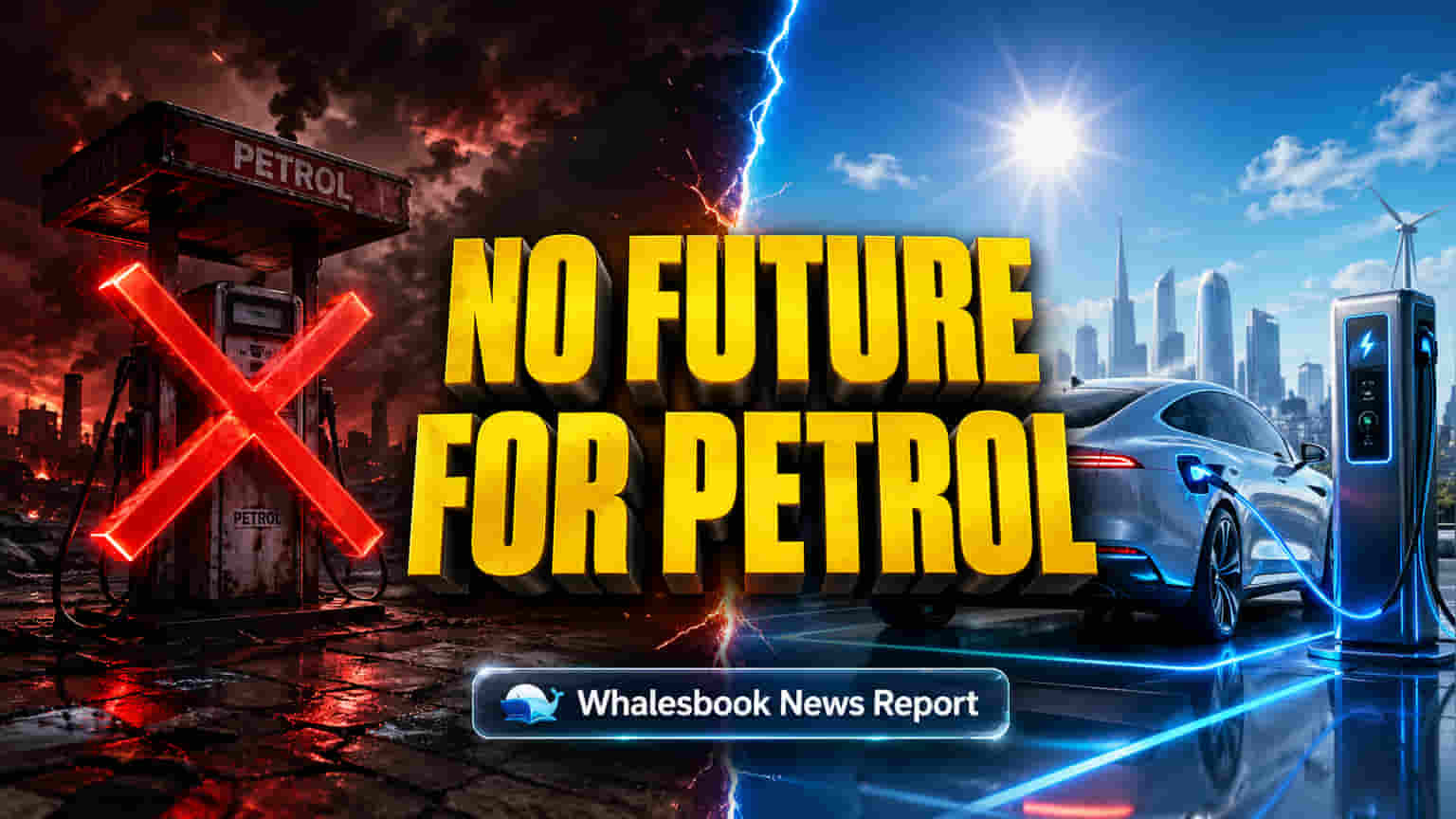


Auto Sector Ka Bada Turning Point
Minister Nitin Gadkari ne ek event mein clearly kaha hai ki diesel aur petrol gaadiyon ka India mein koi future nahi hai. Ye decision isliye liya ja raha hai kyunki desh mein pollution bahut badh gaya hai aur hum fossil fuels import karne mein saal ka ₹22 lakh crore tak kharch kar dete hain. Toh ab auto companies ko fatafat cleaner energy options, jaise ki hydrogen, ethanol, CNG, LNG, aur electric powertrains par shift hona padega.
Gadkari sahab ne Busworld India 2026 summit mein OEMs (Original Equipment Manufacturers) ko warn kiya tha ki, 'Agar aap log change nahi hue, toh savdhaan rahein'. Iska matlab hai ki jo companies abhi tak traditional engines par depend karti thi, unko ab ek bada aur mehenga transformation karna padega. Government chahti hai ki gaadiyan 'import substitute, cost-effective, pollution-free, aur indigenous' hon. Is transition ke liye R&D aur naye parts ki supply chain mein heavy investment chahiye hogi. Purani petrol-diesel gaadiyan shayad jaldi hi out-of-date ho jayengi. Agle teen saal mein hi 1.5 lakh electric buses ki requirement dikhti hai, jo is industry pivot ka size batati hai.
Infrastructure Aur Cost Ki Challenges
Par bhai, yeh shift itna bhi aasan nahi hoga. Naye fuels ke liye infrastructure banana padega, jo abhi start hi hua hai. Hydrogen ke liye public refueling network aur green hydrogen production badhana hoga, jismein kaafi technical, financial, aur safety issues hain. India E85 aur E100 tak ethanol blend karne ka aim kar raha hai, par existing cars ko adapt karna aur flex-fuel engines develop karne mein bhi bada investment aur consumers ka support chahiye. Electric vehicles (EVs) ki initial price bhi ek bada obstacle hai bahut se Indian buyers ke liye, chahe FAME-II schemes ho. Duniya bhar mein bhi yeh shift ho raha hai, par India ka plan kaafi fast hai aur multiple fuel types par focus kar raha hai.
Risks Aur Potential Downsides
Government ka pressure toh hai, par is transition mein risks bhi kam nahi hain. Car makers ko factories retool karne aur EV batteries jaise naye components ki supply chain banane mein bahut paisa lagana padega. Isse unki finances par pressure aa sakta hai, khaas kar un companies ke liye jo abhi bhi petrol-diesel par zyada depend karti hain. Batteries ke liye imported parts par nirbhar hone se naye supply chain risks aa sakte hain, jaise fossil fuels ke liye hai. Purane engine parts banane wale suppliers ka business bhi band ho sakta hai. India mein pehle bhi policy changes se economic disruption hui hai agar infrastructure aur industry ready nahi thi toh.
Long-Term Outlook
Aage ka time mushkil toh hoga, par India ka auto sector ab aur variety aur advanced technology ke saath aayega. ICRA ka forecast hai ki FY2027 tak auto sector mein modest growth rahegi, passenger aur commercial vehicles dono 4-6% badhenge. Electric vehicle adoption sabhi segments mein badhega, khaas kar two-wheelers, three-wheelers aur buses mein. Government policies aur charging networks ke better hone se yeh hoga. Experts ko lagta hai ki market mein alag alag tarah ki gaadiyan hongi: Battery Electric Vehicles (BEVs), hybrids, CNG, ethanol-fueled cars, aur heavy transport ke liye hydrogen. Government ka focus domestic manufacturing aur local technology par rahega, jo India ki energy independence aur environment goals ke liye important hai.