

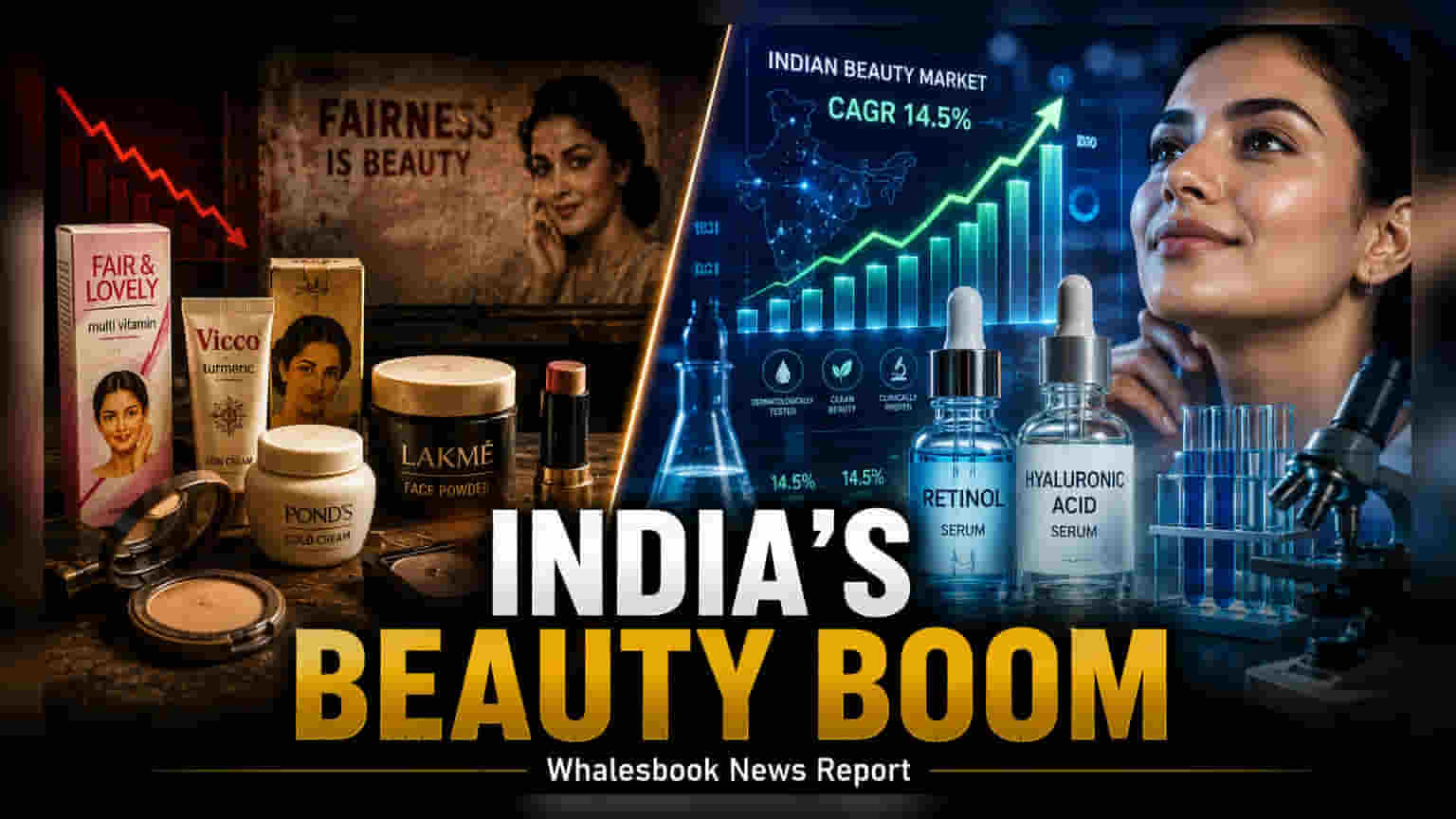
India’s beauty and personal care sector is projected to grow to $40 billion by 2030 as consumer demand shifts toward science-backed skincare and aesthetic procedures. This transition from traditional products to sophisticated, wellness-focused routines is significantly reshaping the retail and service landscapes for investors.
Detailed Coverage
The Indian beauty and personal care industry is entering a high-growth phase, with market projections indicating a jump from the current estimated value of $23 billion to $40 billion by 2030. This growth is driven by a fundamental change in consumer behavior, as shoppers move away from traditional fairness-centric products toward science-backed, ingredient-focused skincare solutions.
The Shift to Ingredient-Led Skincare
Modern Indian consumers are increasingly educated about specific active ingredients such as retinol, niacinamide, and hyaluronic acid. This demand for clinical-grade skincare has forced established consumer goods companies to pivot their product portfolios. Online sales channels are becoming a primary battlefield for these brands, with projections suggesting that digital platforms could capture over one-third of total beauty spending within the next four years. This shift forces companies to invest more in direct-to-consumer digital infrastructure and social media-led marketing rather than traditional retail distribution alone.
Growth in Aesthetic Procedures and 'Tweakments'
Beyond topical products, the market for professional aesthetic services is expanding rapidly. Often referred to as 'tweakments,' these non-invasive or minimally invasive procedures—such as injectables and skin rejuvenation treatments—are seeing increased adoption among both men and women. This trend is no longer confined to luxury segments but is gaining traction among younger demographics interested in preventative care. Factors contributing to this include rising urban disposable incomes and a growing number of certified aesthetic clinics appearing in Tier 1 and Tier 2 cities.
Changing Demographics and Male Grooming
The expansion of the male grooming segment serves as a secondary growth engine for the beauty industry. Men are increasingly seeking specialized services like jawline contouring and anti-wrinkle treatments, driven by corporate image consciousness and a shift in social norms regarding self-care. As the market matures, global trends such as the 'glass skin' aesthetic are being localized to suit the Indian climate and skin types, further encouraging recurring consumption of both high-end products and professional services.
Investor Monitorables for the Sector
Investors tracking this growth may focus on several key areas. The ability of traditional FMCG companies to successfully launch and scale premium, science-backed skincare lines without cannibalizing their mass-market revenue will be critical. Additionally, the fragmented nature of the aesthetic clinic market suggests opportunities for consolidation or the entry of large-scale healthcare chains into the wellness space. Key indicators to watch include the growth rate of digital-first beauty brands, shifts in advertising spend toward influencer-driven models, and the pace at which established hospitals or retail groups scale their aesthetic service offerings.