 Whalesbook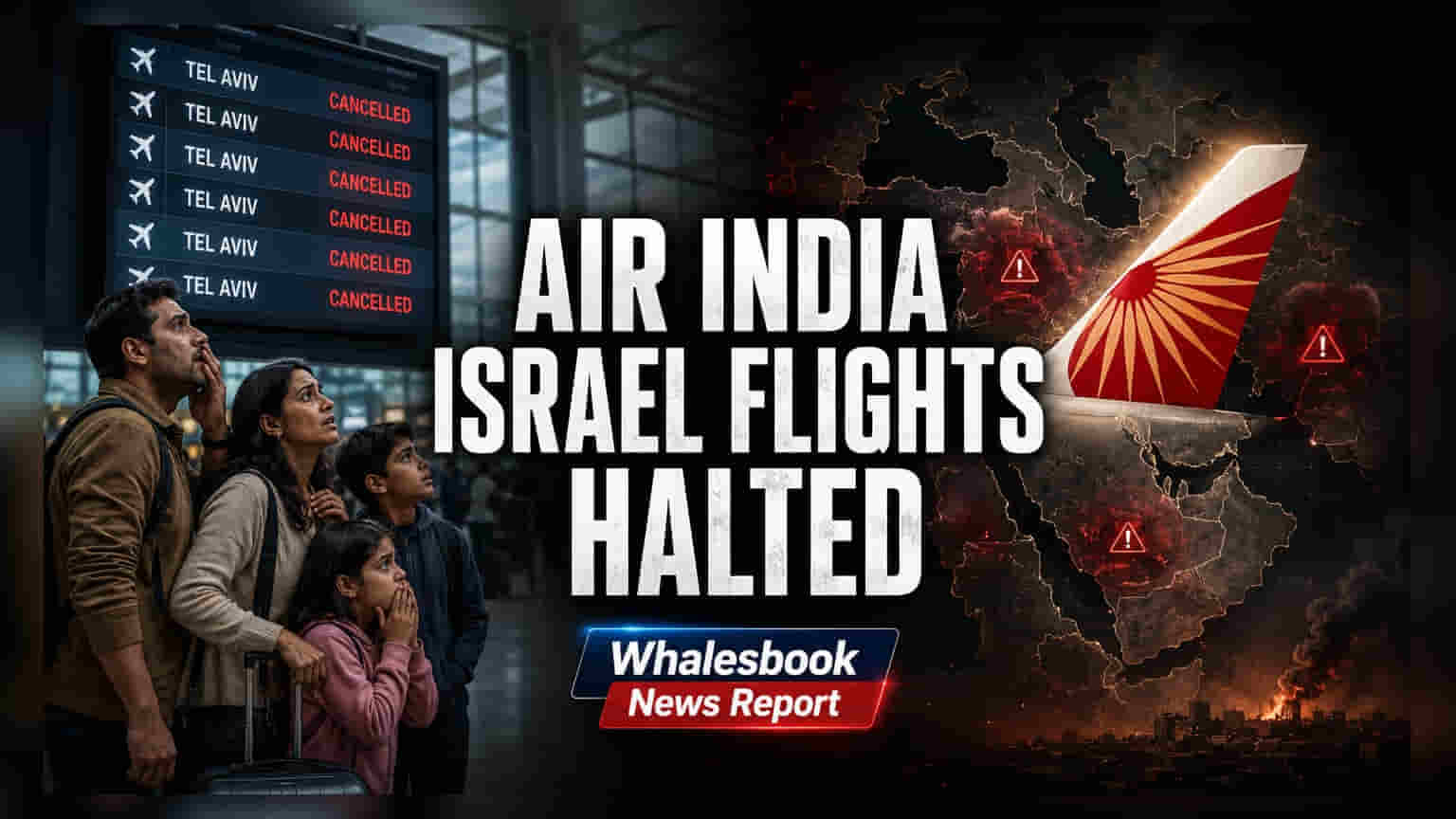


અનિશ્ચિતતાનો ઓપરેશનલ હિસાબ
The decision to maintain the current flight pause reflects a broader strategy of risk mitigation rather than merely reactionary scheduling. By extending the grounding of the Delhi-Tel Aviv route through the end of July, the carrier is effectively absorbing the costs of lost market share to avoid the compounding financial and safety liabilities associated with volatile airspace. Industry data suggests that airlines operating in high-risk zones face exponential increases in war-risk insurance premiums, which can quickly erode the yield on short-to-medium-haul international routes. For a carrier balancing a major fleet modernization program, minimizing exposure to unpredictable operational interruptions is prioritized over immediate passenger volume.
સ્પર્ધાત્મક ગતિશીલતા અને એરસ્પેસ અર્થશાસ્ત્ર
While Air India retreats from the Israeli corridor, international competitors are navigating a fragmented map of service resumptions. The current vacuum in direct connectivity is forcing travelers toward Middle Eastern hubs like Dubai and Doha, which have maintained more consistent, albeit re-routed, access to the region. This regional redirection creates a distinct disadvantage for Indian carriers, as it increases the reliance on transit agreements and international partnerships. Furthermore, the persistent necessity to re-route flights to avoid contested zones across West Asia forces longer flight times, thereby increasing crew fatigue, maintenance cycles, and fuel consumption per seat mile. This operational friction is rarely offset by current fare levels, suggesting that the suspension is as much a fiscal decision as it is a logistical one.
પ્રાદેશિક કનેક્ટિવિટી માટે બેર કેસ
Investors and stakeholders should note that the persistence of these suspensions indicates a low probability of a near-term return to normalized operations. The primary risk factor remains the unpredictability of regional state-level and non-state actor engagements, which can trigger sudden, localized airspace closures. Unlike domestic routes that benefit from high demand and established infrastructure, international long-haul operations are hypersensitive to geopolitical instability. Any further delay beyond July could force a structural reappraisal of the route’s viability, potentially leading to a prolonged exit from the market. Furthermore, the inability to guarantee schedule reliability damages the brand’s positioning among premium business travelers who prioritize timing over cost, potentially ceding long-term loyalty to carriers that possess more resilient regional networks.
સંસ્થાકીય આઉટલૂક
Market sentiment regarding the wider aviation sector in India remains cautious as crude oil prices remain susceptible to regional supply chain shocks. While domestic demand remains robust, the international segment is currently acting as a drag on profitability for carriers heavily reliant on West Asian corridors. Future performance will likely hinge on the carrier's ability to optimize secondary routes to compensate for the lost revenue from the Tel Aviv segment, while managing the overhead associated with idling crew and aircraft assets previously dedicated to the route.