

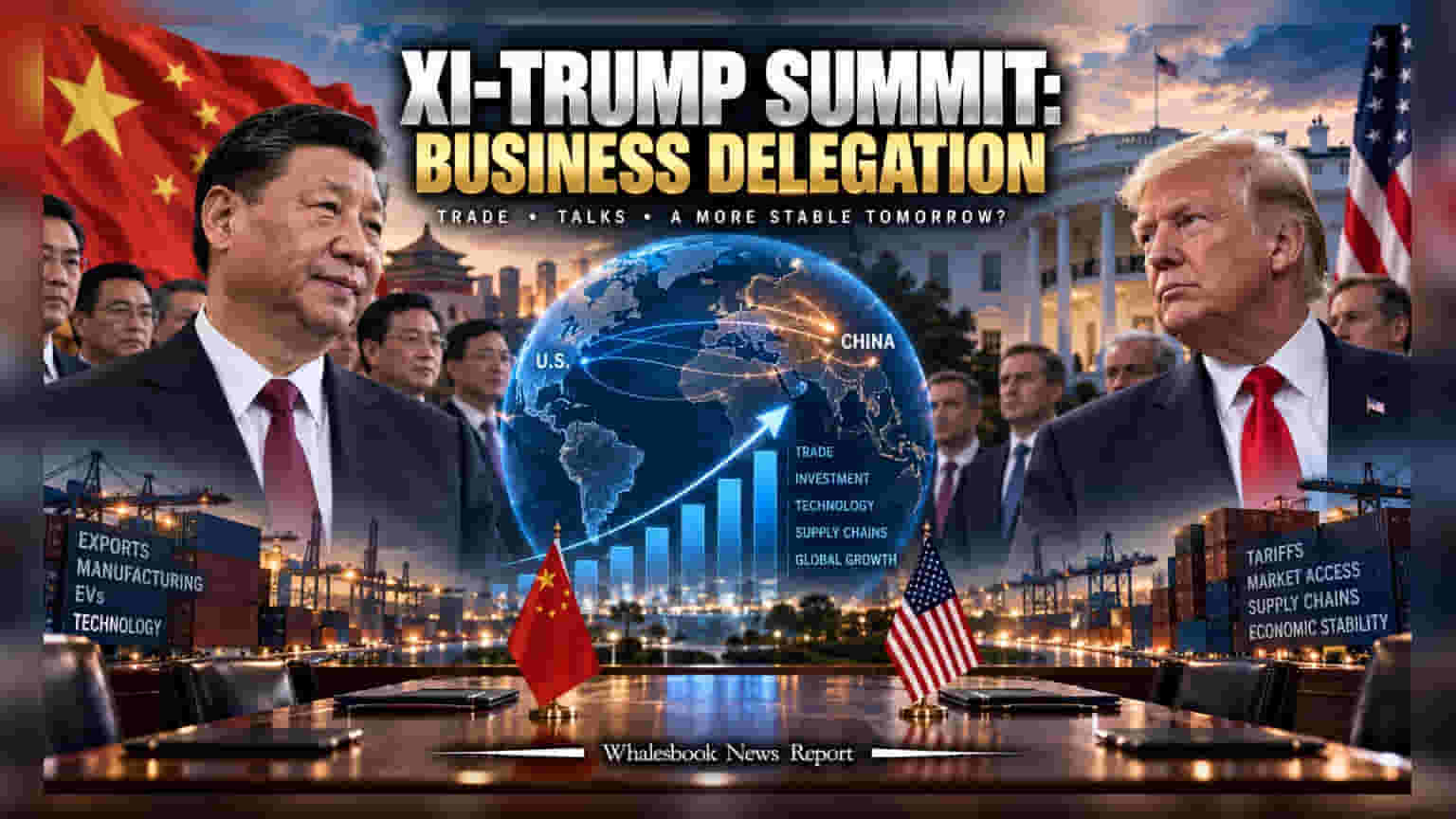
Chinese President Xi Jinping plans to bring a delegation of business leaders to a summit with US President Donald Trump on September 24, 2026. The move aims to address trade tensions, including high tariffs and tech restrictions, though analysts maintain a cautious outlook on potential policy changes.
Chinese President Xi Jinping is planning to lead a high-profile delegation of business executives to Washington for a summit with US President Donald Trump on September 24, 2026. This move marks a notable shift in diplomatic strategy, as Beijing aims to stabilize economic relations between the world’s two largest economies. The inclusion of private-sector leaders is a rare step, signaling a desire to ease the tension that has built up over years of trade disputes and regulatory friction.
The summit comes at a time when trade barriers have significantly impacted the commercial landscape. The US currently maintains a 100% tariff on Chinese electric vehicles, alongside various restrictions that limit Chinese firms' access to critical technology, robotics, and drone markets. Many Chinese companies also remain on US national security blacklists, which complicates business operations and investment planning for both sides.
While the delegation aims to demonstrate a commitment to cooperation, officials and market analysts have expressed moderate expectations for the outcome. The fundamental differences in trade policy and security concerns remain deep-seated. Previous attempts to set up formal trade and investment mechanisms, such as those established in May 2026, have shown slow progress, and industry observers caution that this summit may focus more on managing volatility than on achieving major breakthroughs or structural policy changes.
From an investor perspective, the summit is significant because it highlights the current state of geopolitical risk. Negotiations leading up to the event, including talks between US Treasury Secretary Scott Bessent and Chinese Vice Premier He Lifeng, are expected to set the stage. These preliminary discussions may address smaller, reciprocal tariff reductions on approximately USD 30 billion worth of goods, which could provide some relief to specific industries.
For investors monitoring the global economy, the most important development will be whether the discussions lead to any meaningful changes in regulatory access or tariff policy. The risk for markets remains that the summit could be more about political optics ahead of US midterm elections than about resolving the core trade and technology conflicts. Consequently, market participants may track any official statements regarding non-tariff barriers, agricultural trade, and updates to export licensing requirements as indicators of the true potential for bilateral economic stabilization.