

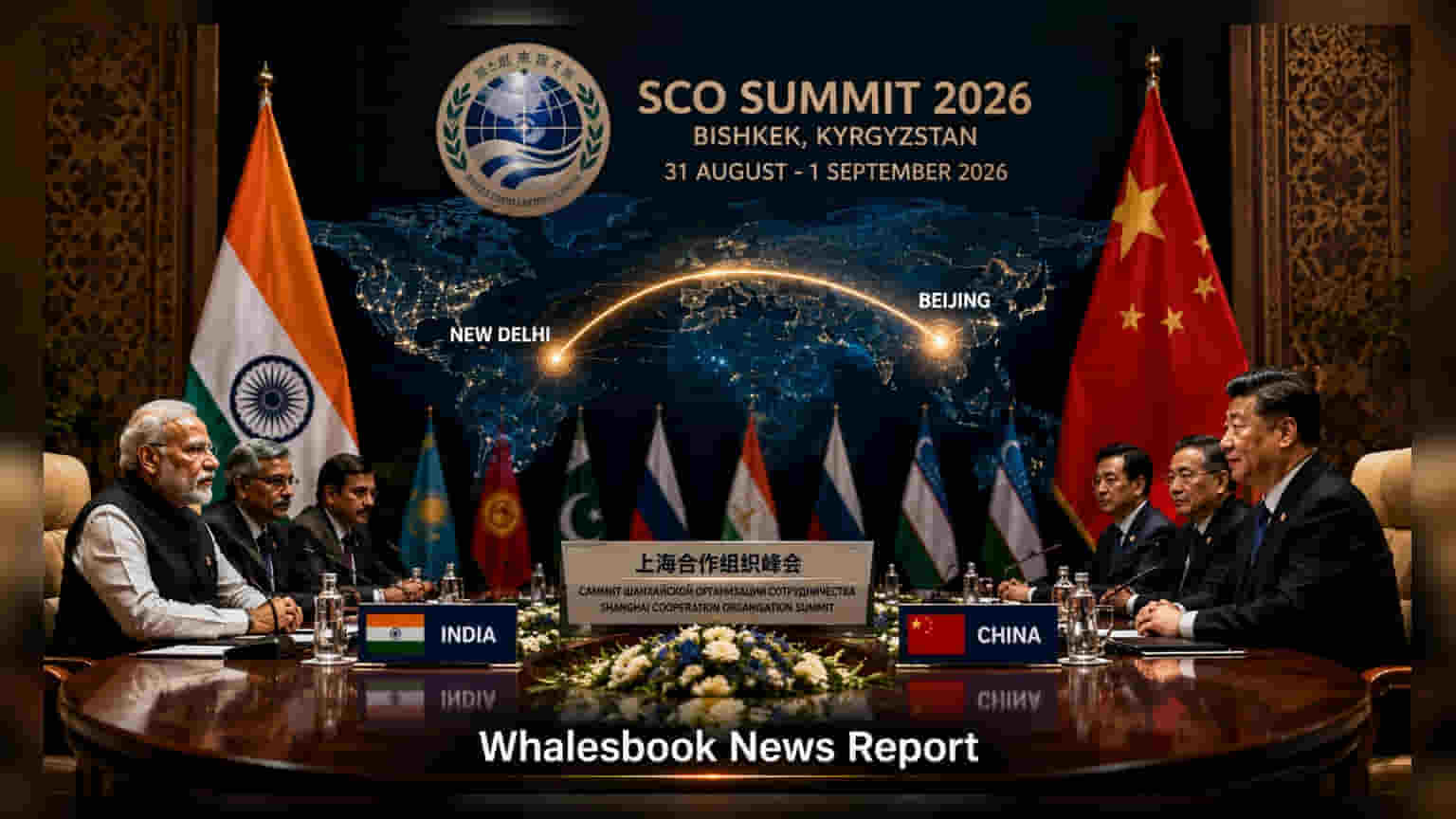
Chinese President Xi Jinping will attend the SCO summit in Kyrgyzstan on August 31, following high-level border talks. With India recently resuming trade at the Nathu La pass on August 2, investors are watching these diplomatic moves for signs of reduced border uncertainty and improved regional stability.
Chinese President Xi Jinping is scheduled to attend the Shanghai Cooperation Organisation (SCO) summit in Bishkek, Kyrgyzstan, from August 31 to September 1, 2026. This high-profile meeting follows the 25th round of Special Representatives' talks between India’s National Security Adviser Ajit Doval and Chinese Foreign Minister Wang Yi, which took place in Beijing on August 24–25.
For investors and the broader market, these diplomatic developments signal a potential easing of border tensions that have persisted for years. While diplomatic discussions often operate separately from immediate market reactions, the stabilization of the 3,488-km frontier is a necessary condition for predictable cross-border economic activity.
Tangible Steps Toward Normalization
A specific, verified development that impacts economic sentiment is the resumption of border trade. India officially reopened the Nathu La pass for trade on August 2, 2026. This move serves as a practical indicator that both nations are looking to restore traditional economic channels. For businesses operating in border regions or those dependent on regional supply chains, the reopening of such routes is a tangible step toward restoring the pre-conflict flow of goods.
Market observers note that the current diplomatic thaw is being managed carefully by both sides. The focus of the recent Beijing talks was on finding a political settlement to the boundary dispute, reflecting a shift toward long-term stability rather than immediate, unplanned changes. This methodical approach is generally preferred by markets, as it reduces the risk of sudden, adverse surprises that can affect sentiment.
Risks and Future Monitorables
Despite these positive steps, a significant trust deficit remains. Official sources and analysts point out that fundamental border issues are complex and unresolved. Investors should maintain a balanced view, as expectations for a sudden 'grand bargain' or a complete resolution of all disputes should be tempered. The risk remains that any setback in these talks could quickly reverse the current positive sentiment, leading to heightened caution in sectors sensitive to regional stability.
Looking ahead, the diplomatic calendar remains busy. President Xi is expected to travel to New Delhi for the BRICS summit scheduled for September 12–13, 2026. This visit will be the next major monitorable event for investors, as it will likely provide further clarity on the trajectory of bilateral relations and the potential for expanded economic cooperation between the two largest economies in the region.