

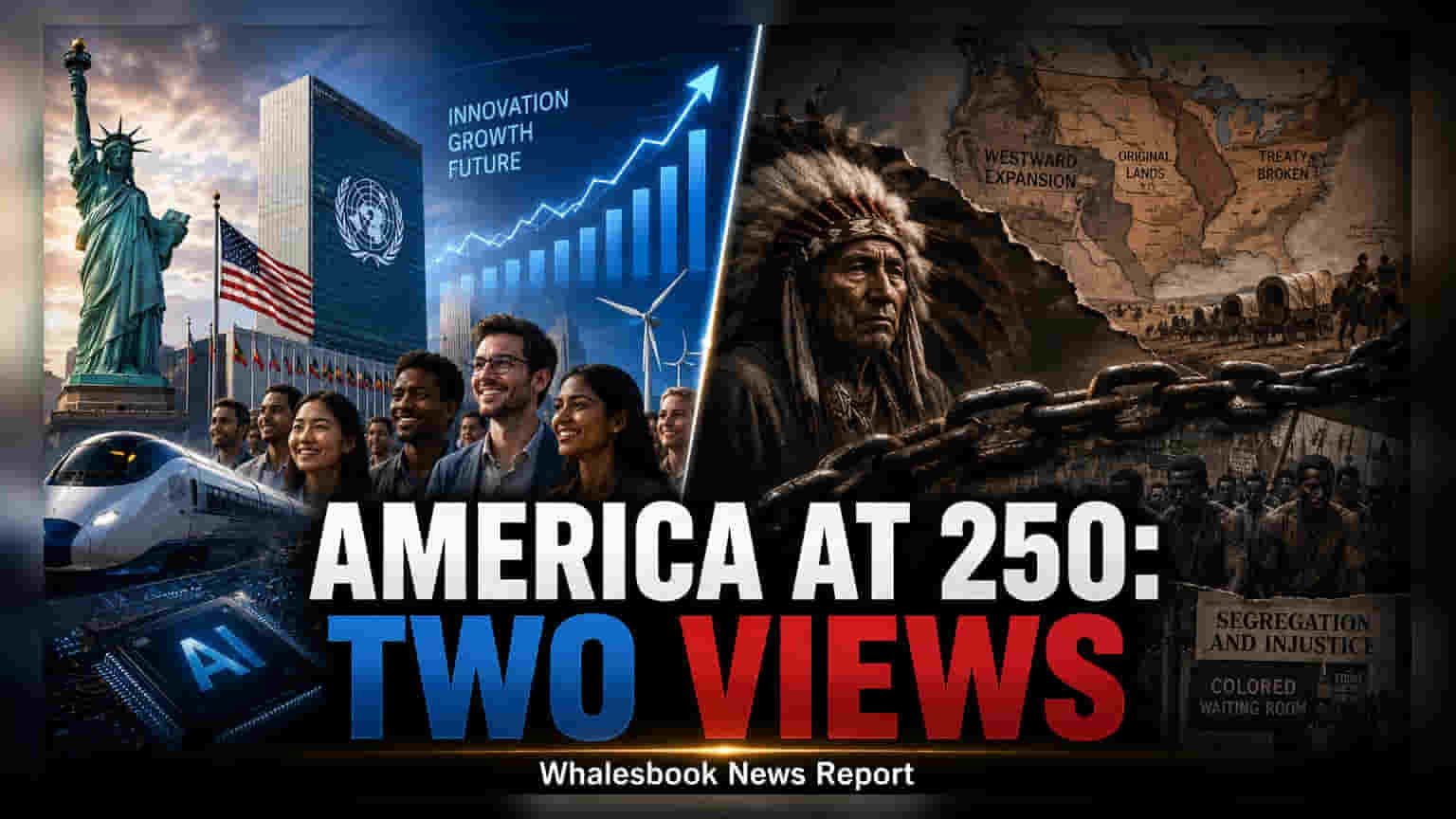
As the United States reaches its 250th anniversary, its global influence is assessed through its role in post-WWII economic institutions and modern innovation. While it remains a central pillar of international trade and technology, investors are evaluating the long-term impact of shifting domestic policies and historical systemic challenges on its future global standing.
Detailed Coverage
As the United States prepares to mark its 250th year, the nation’s role as a dominant force in global finance and industry is undergoing intense scrutiny. For international investors, the U.S. remains a critical hub of capital, technological innovation, and soft power, serving as the primary architect of post-World War II international institutions like the World Bank and the United Nations. These frameworks have provided the stability required for global trade for decades.
Economic Foundation and Influence
Beyond its institutional role, the U.S. economy continues to lead in driving technological progress. The country's influence is reinforced by its massive consumer market and its ability to attract global capital. For many international markets, U.S. monetary policy, trade regulations, and technological shifts remain key drivers of economic trends elsewhere. The nation’s influence is so deeply embedded in modern business that its corporate culture and innovation cycles frequently set the tone for global market sentiment.
Navigating Historical and Social Realities
While the U.S. is often viewed as a cornerstone of the global economy, its history of systemic challenges—including the legacy of slavery and the displacement of Native Americans—is frequently cited in global discussions about social and economic stability. These historical realities are sometimes linked to ongoing debates regarding equality and social cohesion, which can influence domestic policy decisions. For long-term investors, the ability of the U.S. to address these internal structural inequalities is seen as a factor that may impact its social stability and, by extension, its economic policy direction.
Shifting Geopolitical Dynamics
In recent years, the U.S. has experienced a shift toward more nativist policy stances. This change in direction has created uncertainty regarding the country’s future commitment to multilateral trade agreements and international aid. Historically, U.S. foreign policy has been marked by significant interventions and territorial expansions, from the 19th-century annexation of territories to 20th-century geopolitical involvements. Today, the focus has shifted toward how these policies might evolve under current and future leadership. The decline of the non-Hispanic Caucasian population and the resulting demographic shifts are also being monitored by analysts as potential catalysts for changes in social and economic priorities.
Future Monitorables
For observers and market participants, the key will be watching how the U.S. balances its established role as a global leader with the need to address internal economic and social divisions. Investors should monitor shifts in U.S. trade policy, its commitment to international institutions, and how domestic demographic changes affect long-term fiscal and social strategies. The nation’s capacity to align its founding ideals with its evolving reality will remain a central theme for its next phase of global influence.