

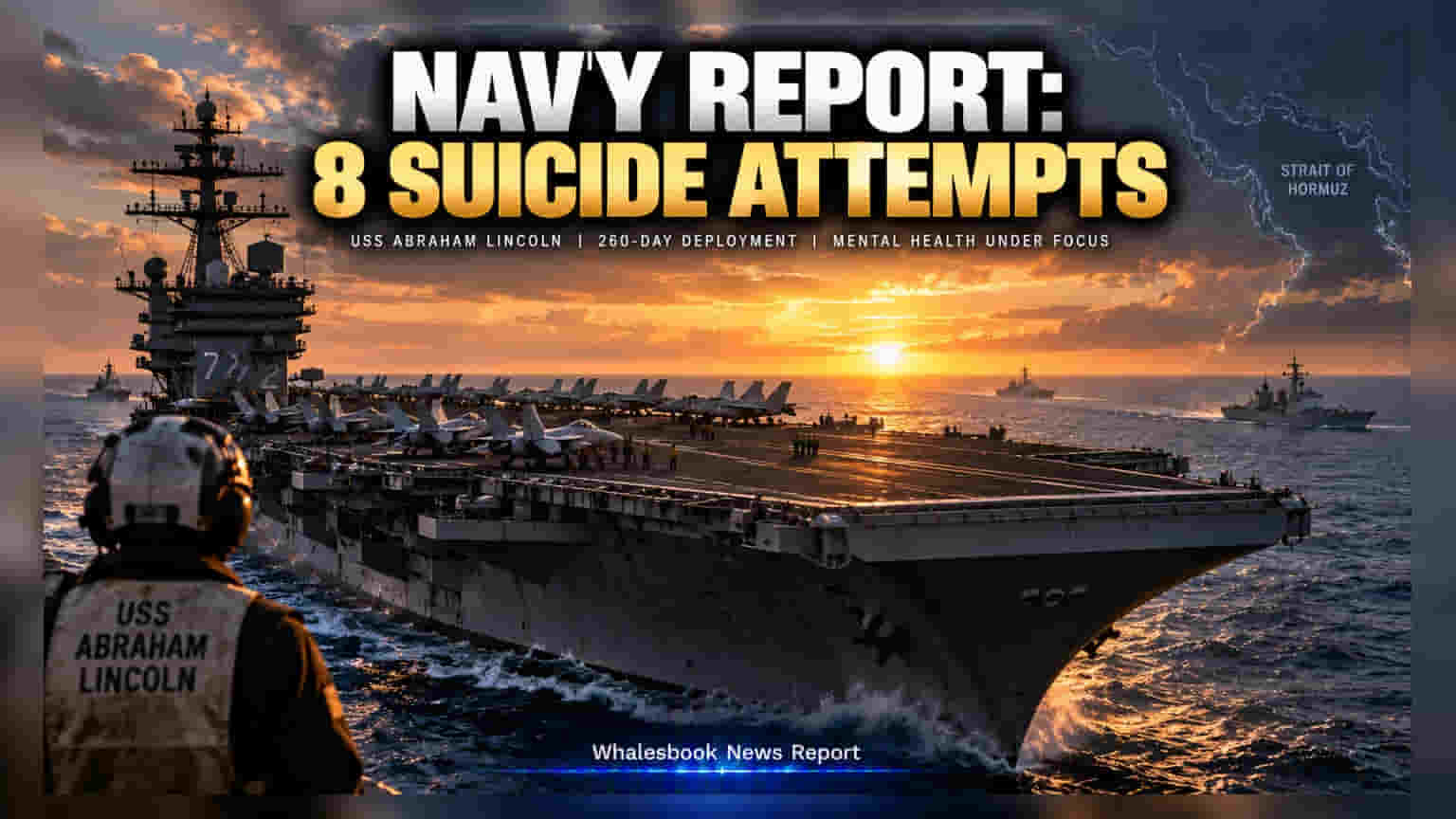
Acting Navy Secretary Hung Cao confirmed eight suicide attempts occurred on the USS Abraham Lincoln during its 260-day deployment. The revelation challenges earlier claims about morale and supply issues, bringing attention to the human toll of prolonged naval operations. For investors, this highlights operational strain in the Middle East, a critical region for global oil trade and security.
Acting Navy Secretary Hung Cao has confirmed in a formal letter to Senator Kirsten Gillibrand that eight service members attempted suicide while deployed with the USS Abraham Lincoln carrier strike group. While no fatalities were reported, the acknowledgment provides an official look at the psychological and operational pressure faced by personnel during the carrier's 260-day mission at sea. The vessel, which departed San Diego in November, has been a central force in naval operations near the Strait of Hormuz.
The disclosure of these events contrasts with previous statements from the executive branch. President Donald Trump and Defense Secretary Pete Hegseth had previously characterized earlier reports regarding poor morale, food shortages, and hygiene issues aboard the vessel as misleading. Senator Gillibrand, who requested the data, raised concerns regarding the disconnect between official administrative descriptions and the reported experiences of the crew. This incident has reignited a debate regarding the sustainability of extended combat rotations and the impact on both human personnel and naval equipment.
For investors and global market observers, the operational status of US forces in the Middle East carries significant weight. The Strait of Hormuz is a vital transit point for a large share of the world's oil supply. Any indication of operational strain, maintenance backlogs, or logistics challenges within a carrier strike group can influence market sentiment regarding the stability of trade routes. Prolonged deployments that stretch the capabilities of the Navy often become a factor in discussions regarding defense spending, military readiness, and the long-term cost of sustaining operations in volatile regions.
The debate over the welfare of service members versus mission requirements is also part of a larger conversation regarding defense logistics. The US military must balance the need to enforce security in the Middle East against the physical and mental health of its fleet. As the USS Abraham Lincoln transits back toward California, the focus shifts to how the current administration might adjust future deployment lengths or manage the ongoing operational demands in the region. Observers will likely track any official shifts in naval strategy, procurement plans for fleet maintenance, or changes in how the military manages human resources during prolonged missions.