 Whalesbook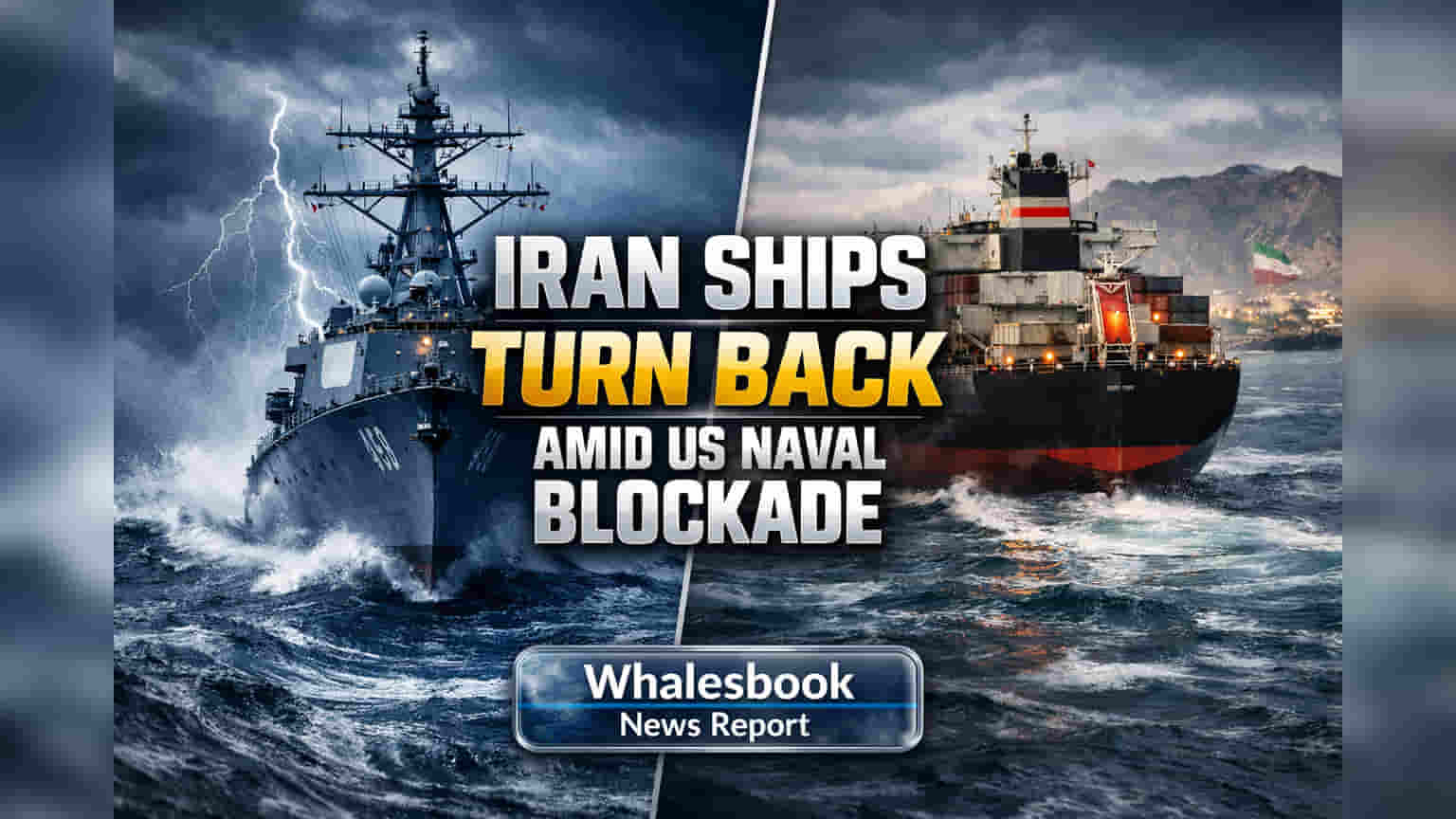


Shipping Disruption Intensifies
The U.S. naval blockade against Iran is intensifying unusual shipping activity in the Persian Gulf. Vessels are being forced to turn back or use complex evasion tactics. This situation is not only disrupting Iran's trade routes but is also changing expectations for global energy markets and creating major challenges for international shipping.
The Blockade's Dual Impact
The U.S. Navy has stated its sea blockade aims to completely halt economic trade with Iran. On April 16, 2026, Brent crude was trading around $94.60 USD/Bbl and WTI at $90.69 USD/Bbl. These prices, while lower than recent highs, are still high, showing a lasting risk premium in oil markets due to the geopolitical situation. The blockade extends beyond the Strait of Hormuz into the Gulf of Oman and Arabian Sea. Several vessels linked to Iran have either turned back or used deceptive tactics to avoid detection and sanctions. The strategy aims to limit Iran's financial power while trying to avoid major disruption to global shipping, though this is proving difficult for shipping companies.
Navigating Uncertainty: Evasion and History
The Strait of Hormuz handles about 20% of global oil and LNG supplies and is a critical passage. Disruptions here have historically caused large oil price increases. In March 2026, prices rose quickly on fears of supply shortages, with estimates suggesting a complete closure could add $1-$15 per barrel. Current hopes for extended ceasefire talks have eased prices somewhat, but a risk premium remains. Iran-linked groups are using advanced methods to bypass sanctions, such as turning off Automatic Identification System (AIS) signals and transferring cargo between ships to hide where it comes from and where it's going. The effects go beyond oil, impacting other commodities and possibly increasing inflation worldwide through higher energy costs.
Enforcement Challenges and Legal Questions
The effectiveness and legality of naval blockades face international questioning. While humanitarian shipments are allowed after inspection, questions remain about what defines "neutral" vessels and the possibility of denial. International maritime law, such as UNCLOS and the San Remo Manual, covers blockades, focusing on military need and protecting civilians. However, clear rules for enforcement are still missing. The U.S. blockade is called a "selective pressure system," not a full closure. It aims for limited escalation to prevent a wider global supply crisis. Yet, intercepting "shadow fleet" vessels—which are built to use regulatory loopholes and hide their identity—requires many resources and creates significant enforcement difficulties and risks. This complex situation, along with the risk of escalation, poses a major threat to regional stability and global trade.
Future Outlook: Diplomacy vs. Disruption
Markets are watching closely for signs of diplomatic progress. Hopes for a new round of U.S.-Iran talks have offered a brief pause, helping oil prices trade in the low $90s. However, the Strait of Hormuz is still mostly closed to regular shipping, so supply risks remain high. The U.S. approach mixes military pressure with diplomacy, possibly including releasing oil from strategic reserves or offering sanctions relief, which could impact future market trends. The direction of oil prices and global trade will depend on how successful these diplomatic efforts are against the ongoing reality of naval enforcement and Iran's ongoing use of evasive shipping methods.