 Whalesbook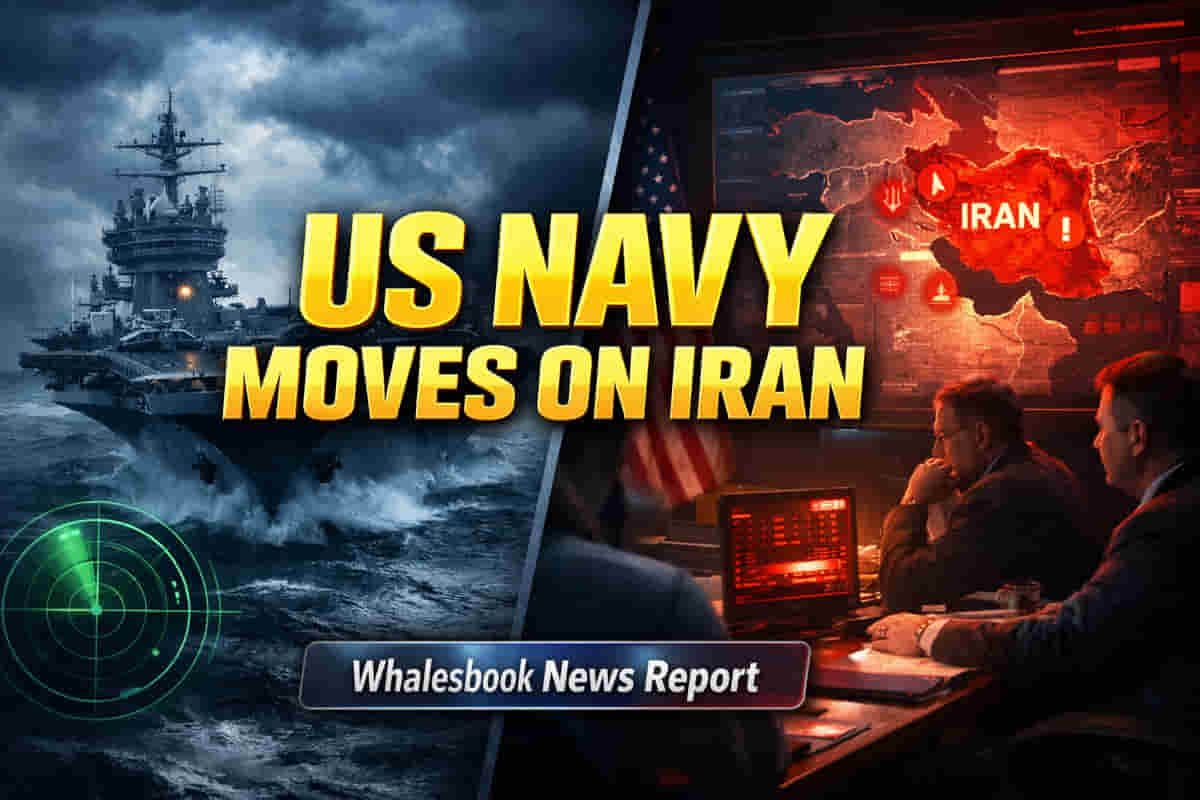
1. THE SEAMLESS LINK
The current geopolitical standoff between the United States and Iran intensifies against a backdrop of significant internal unrest within Iran. Widespread protests, triggered by economic distress and calls for leadership change, have been met with severe repression by Tehran. This volatile domestic situation has provided a strategic opening for the US to augment its military posture in the region, signaling a readiness to apply pressure through force projection.
### The Geopolitical Flashpoint
President Trump confirmed the deployment of a substantial naval flotilla, including the USS Abraham Lincoln aircraft carrier and its associated strike group, which now operates in the Indian Ocean. This group comprises Arleigh Burke-class destroyers armed with Tomahawk missiles and supported by F-35C fighter jets. Such a concentration of military assets mirrors previous US operational deployments and underscores a declared intent to keep all options, including kinetic strikes, on the table. US officials, speaking anonymously, highlighted the strategic significance of this movement, which follows past US military actions against Iran and operations in Venezuela.
### Expert Analysis and Risk Assessments
Analysts view the naval buildup as a flexible tool for President Trump, capable of serving as either a prelude to military action or a tactic to secure concessions from Tehran. Mona Yacoubian of the Center for Strategic and International Studies stated the buildup signals "determination to keep all options on the table, including military strikes against the Iranian regime". Geopolitical risk consultancies are assigning elevated probabilities to imminent US or Israeli strikes. Eurasia Group estimates a 65% likelihood by April 30, while Rapidan Energy Group projects 70% odds for US strikes in the near future, citing the anticipated failure of diplomatic efforts.
### Market Implications and Outlook
Geopolitical tensions of this magnitude historically translate into significant market volatility. Heightened US-Iran tensions are strongly correlated with upward pressure on global oil prices, as supply disruptions from the Strait of Hormuz become a tangible threat. Investors often seek refuge in safe-haven assets, while emerging markets face amplified risks. India, heavily reliant on oil imports, is particularly vulnerable, facing potential increases in its import bill, a widening current account deficit, and inflationary pressures impacting its currency.
Past escalations, such as the January 2020 strike on Qassem Soleimani, led to sharp, albeit often short-lived, spikes in oil prices and declines in global equity markets. The current situation presents similar risks, with a senior Iranian official vowing an "unrestrained response" to any American attack. The Soufan Center notes that continued US asset movement signals potential strikes, even as Tehran asserts control over domestic protests. The strategic ambiguity surrounding US objectives—whether to deter protester deaths, instigate regime change, or extract concessions—leaves global markets in a state of heightened alert, anticipating further developments.
### The Future Outlook
Despite Tehran's claims of quelling nationwide protests, the physical positioning of US military assets suggests that offensive operations remain a distinct possibility. Analysts suggest a US military action could leverage Iran's perceived internal weaknesses, including economic deterioration and the impact of prior strikes on its strategic facilities. The potential for a forceful Iranian retaliation to any perceived existential threat means that market participants must brace for significant volatility and a potential re-pricing of geopolitical risk in the weeks ahead.