

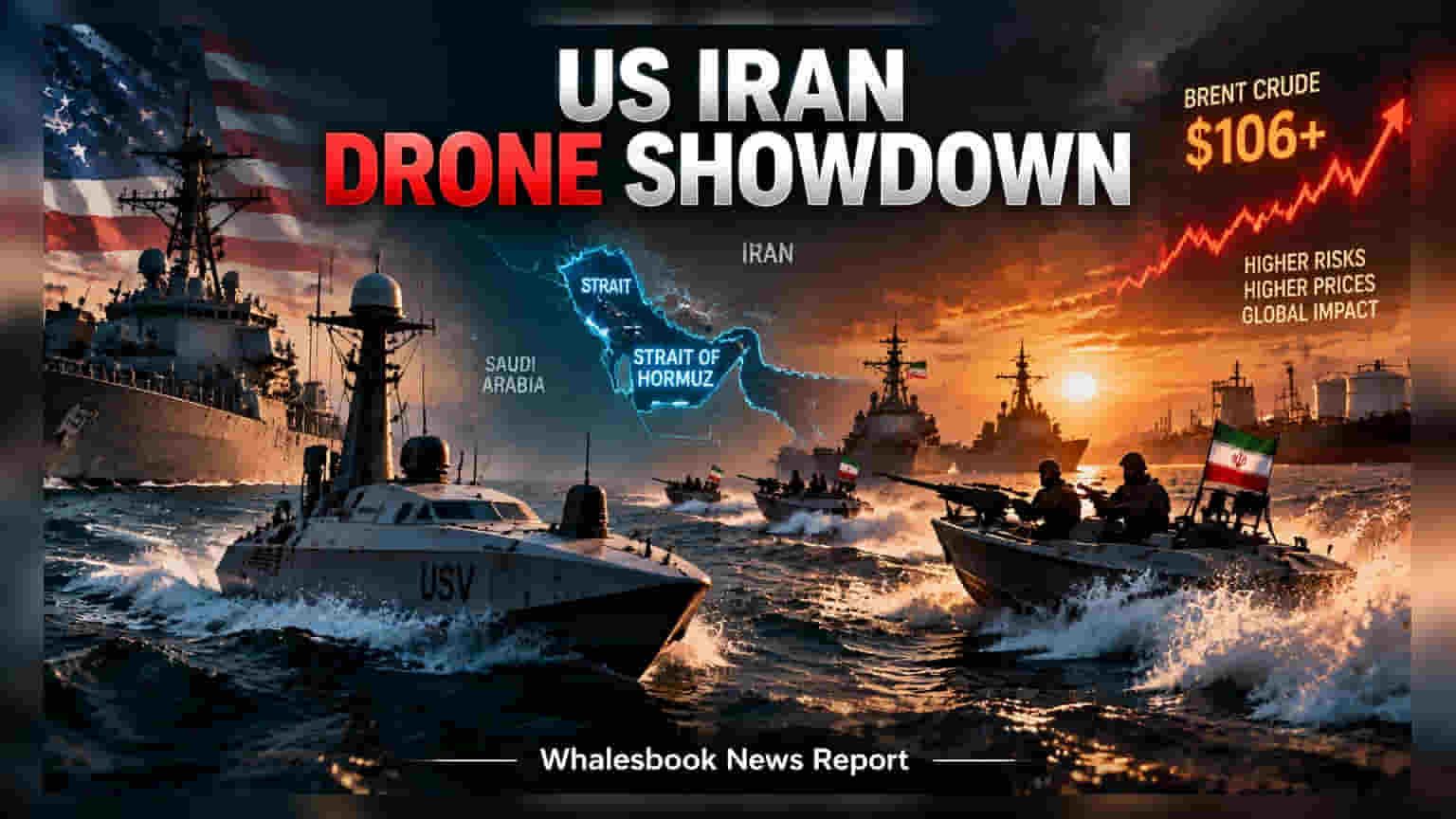
A military confrontation between the US and Iran in the Strait of Hormuz has intensified regional tensions. The incident involving drone vessels and reports of destroyed boats highlights potential risks to global energy transit. Investors are monitoring how this ongoing geopolitical instability might impact crude oil prices and international shipping routes.
On September 15, 2026, the US military reported that it destroyed two Iranian small boats following an attempt to seize a US unmanned surface vessel near the Strait of Hormuz. This incident has drawn attention to the critical waterway, which serves as a major route for global oil and energy transit, heightening concerns about regional security.
The incident marks a continuation of a six-month-old conflict between the US and Iranian forces, characterized by frequent maritime confrontations, drone engagements, and strikes on infrastructure. US Central Command stated that the unmanned surface vessel, a Saildrone used for monitoring maritime traffic, was targeted by Iranian boats, necessitating a military response. In contrast, Iranian state media reported that the incident involved fishing boats off the coast of Hormozgan province and claimed that several fishermen are missing following the engagement.
The Strait of Hormuz is vital for international energy supplies, and military activity in the region is frequently observed by global financial markets. For Indian investors, the geopolitical situation in the Persian Gulf holds significance due to the potential impact on crude oil prices. As India is a major importer of crude oil, fluctuations in global energy prices often influence the profitability of domestic oil marketing companies, aviation firms, and logistics businesses. Persistent tension in this region can also lead to increased shipping costs and higher maritime insurance premiums, which are key variables for companies involved in international trade.
The primary risk for global markets remains the potential for escalation, which could disrupt supply chains or lead to volatility in commodity prices. The ongoing nature of this conflict, which has persisted for the last six months, means that any sudden increase in military activity often triggers immediate sensitivity in global energy markets. While the financial impact of individual maritime clashes is often indirect, the cumulative effect of prolonged instability can weigh on investor sentiment toward energy-sensitive sectors.
Investors may continue to track global oil price trends and any official statements regarding shipping safety in the Persian Gulf. Developments such as changes in insurance costs for vessels or further military encounters will be important to observe, as these act as indicators of the severity of regional disruptions and their potential to affect global supply chains.