

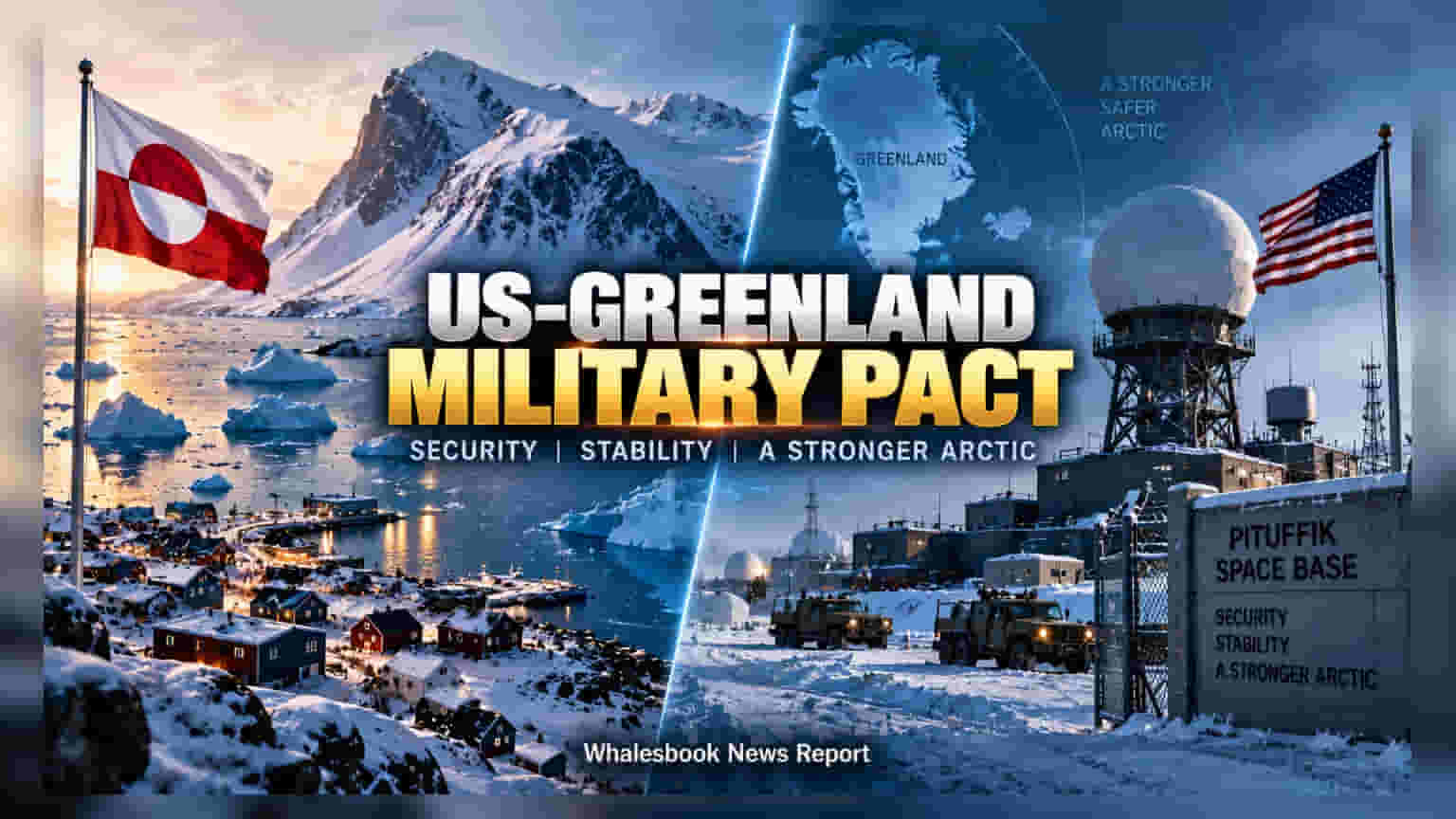
The US and Denmark have finalized a military pact to expand American operations in Greenland, ending years of diplomatic friction. The agreement removes past threats of trade tariffs and sanctions, signaling improved stability in NATO relations. This move is significant for global security, Arctic resource accessibility, and the long-term outlook for international trade routes.
The United States and Denmark have formally signed a new military agreement to expand American operations in Greenland, effectively ending a period of diplomatic tension that had lasted for several years. Finalized on September 18, 2026, the deal allows for an enhanced U.S. presence at the Pituffik Space Base and establishes a framework for future security cooperation in the region.
For investors and global markets, this development is meaningful because it resolves a source of instability between key NATO allies. During the height of the dispute, there were public threats of tariffs on European goods and concerns regarding potential sanctions, which created uncertainty for international trade. By moving toward a formal military framework, both nations have reduced the risk of trade friction, which is a positive factor for global market sentiment.
The strategic importance of Greenland has grown due to its critical location for satellite operations and its potential as a hub for future Arctic shipping routes and resource exploration, including rare earth minerals. While the deal does not change sovereignty—Greenland and Denmark remain the governing authorities—it creates a clear set of rules for American military activity. This transition from public ultimatums to technical security cooperation suggests a more predictable path for Arctic policy.
Looking ahead, the primary focus for market observers will be on how this military coordination translates into broader Arctic infrastructure and logistics development. Investors may track future updates from NATO and regional authorities regarding resource exploration and shipping lane safety, as these factors carry long-term implications for global supply chains and commodity logistics.