 Whalesbook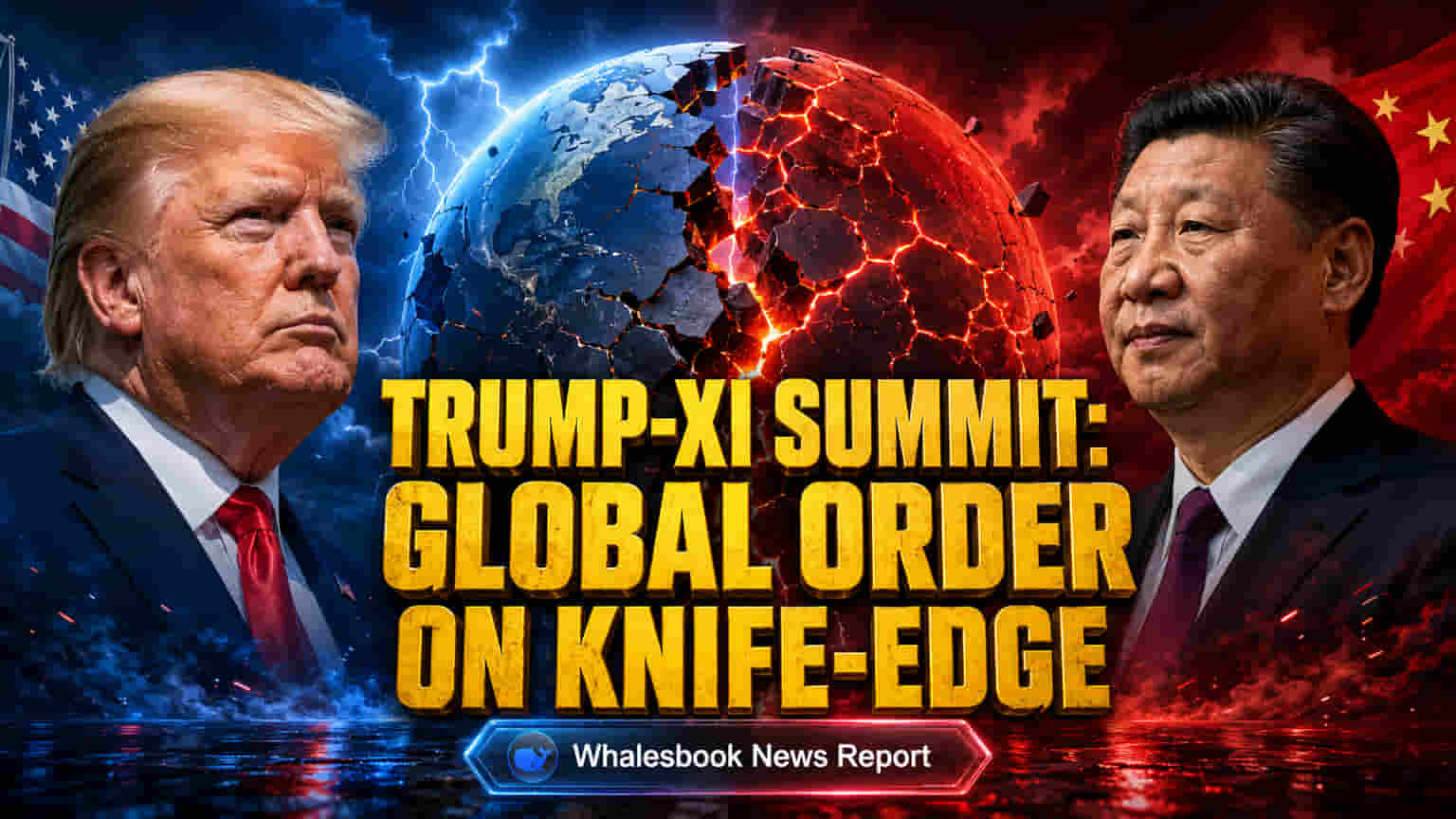


Summit Marks Shift to Tech Rivalry
The upcoming meeting between President Trump and President Xi Jinping in Beijing signals a major shift. It moves the focus from trade issues to a growing rivalry for global power. Previous talks aimed for trade peace during economic slowdowns. But today's global tensions, including issues in Iran, concerns over Taiwan, and tough competition in AI and semiconductors, create a very different backdrop. The US and China together make up about 43-45% of global GDP, so changes in their relationship will deeply affect global markets and supply chains. Markets will watch for subtle signs of their intentions, which could affect how investors view sectors tied to this competition.
Global Tech Split Widens
The growing US-China tech rivalry is reshaping the global technology scene, creating a clear split in AI and chip development. The US leads in advanced AI and chip design, fueled by big private investment and innovation from tech giants like Alphabet, Amazon, Meta, and Microsoft. China is pushing hard for technology independence, focusing on efficient models and using its huge amounts of data, even though US export controls limit its access to top-tier chips. This tech divide, like a new 'tech iron curtain,' forces other countries to carefully balance their relationships. Countries like India and those in the European Union are spreading out their partnerships. They keep economic links with China but strengthen security and tech ties with the US and its allies, aiming to stay independent amid major power shifts. The chip industry, key to this rivalry, faces supply chain divisions and managed competition. China is investing heavily in its own chip making but still trails in the most advanced technology, which is controlled by US allies and Taiwan.
Markets Show Value Gap
The different paths of US and Chinese tech companies show up in their market values. US indices like the S&P 500 have Price-to-Earnings (P/E) ratios from 27.00 to 31.91 (Shiller PE around 42), and the Nasdaq trades at a P/E of 24-29. In comparison, the MSCI China Index has a much lower P/E ratio of about 14.58, showing investors value US tech stocks more highly. This difference reflects how markets see different growth potential and risks. The global tech sector, especially AI and chips, faces a lot of market swings. Analysts expect continued ups and downs, with AI-driven growth possibly taking longer than expected. This tech split affects more than hardware, impacting software, cybersecurity, and telecom. It could slow global trade growth and raise costs for global companies.
Key Risks in a Divided World
The growing rivalry brings big risks for global markets and businesses. As the US and China split apart technologically, supply chains become divided. This requires separate systems – one for China and one aligned with the West – making operations more complex and costly. Restricting advanced chip exports to China aims to slow its progress but also risks US chipmakers who depend on the Chinese market. Some companies have seen significant drops in revenue. Further global instability, like the conflict in Iran, adds pressure to supply chains, especially for energy and crucial materials like tungsten needed for chip making. There's also anxiety among other nations about a 'G-2' world where major powers divide up areas of influence. This could force them into tough choices about defense and trade. High valuations for US tech stocks, combined with uncertainty about making money from AI and potential spending cuts, could lead to market corrections.
What Comes Next: Competition and Choice
Going forward, the US-China relationship will likely involve continued competition rather than a full break. Talks will probably focus on specific technical matters. This controlled competition will push both countries to keep investing in their own technology. Other nations will continue to balance multiple alliances, aiming to keep economic ties strong while protecting their security. The tech sector, boosted by AI, should keep growing. But market direction will depend heavily on global politics, energy market stability, and how well countries achieve their goals of tech independence. AI's growing use across industries, like China's goal to integrate it into 90% of manufacturing by 2030, shows the great potential and the high stakes of this rivalry.