

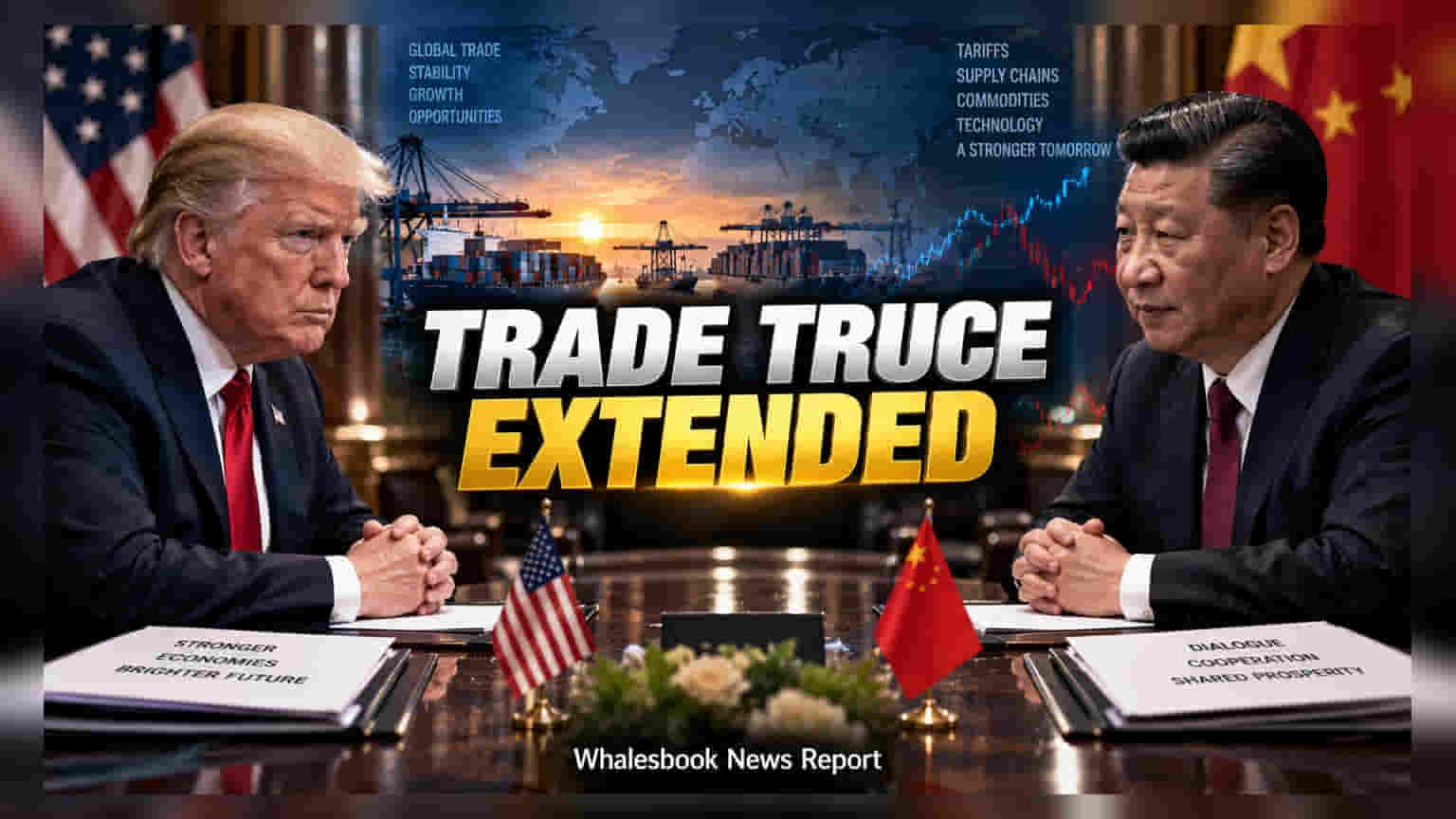
The US and China have extended their trade truce by two months, pushing the deadline past November 10. This creates a window to resolve ongoing trade disputes ahead of the upcoming summit between President Donald Trump and President Xi Jinping. Investors are watching for potential tariff relief, though issues like missing agricultural import targets and AI rivalry remain key friction points.
The US and China have agreed to extend their trade truce for two months beyond the November 10 deadline. This development gives both nations more time to move beyond small, step-by-step agreements and toward a more substantial economic deal. Treasury Secretary Scott Bessent and Chinese Vice Premier He Lifeng are coordinating these discussions ahead of the upcoming summit between President Donald Trump and President Xi Jinping. This extension provides a brief sense of stability for global trade, though the path to a final agreement remains difficult.
The international trade environment is closely tied to the relations between the world’s two largest economies. When tensions rise, businesses often pause on major investments, which can impact global growth and supply chain efficiency. If both sides can reach a compromise, it could reduce the risk of further trade barriers that disrupt international commerce. However, the current negotiation process shows that fundamental issues persist.
The US government continues to press Beijing on fulfilling its past promises. Current data indicates that while China has successfully met its import targets for soybeans, it is still significantly behind on its $17 billion commitment for other agricultural products. Delays in receiving critical rare earth minerals have also added friction to the talks. Washington has made it clear that it wants to see real progress on these existing pledges before moving forward with any new tariff cuts or relief. These missing targets create uncertainty for global commodity markets that rely on predictable trade patterns.
Beyond physical goods, artificial intelligence has become a major area of competition. The US has proposed a communication channel to manage AI safety concerns, but a lack of mutual trust has stalled this process. President Trump has stated that maintaining American technological leadership is a top priority, which highlights that the strategic goals of the two countries continue to diverge. This intense rivalry impacts global technology sectors and supply chains, which are critical for investors monitoring the tech space.
The market is now waiting for the next presidential summit to see if there will be any announcements regarding the potential removal of tariffs on $30 billion worth of non-critical goods or advancements in financial services cooperation. For Indian investors, the status of US-China trade is a significant global factor. Tensions between these two economies can influence global market sentiment, commodity prices, and trade flows, which often ripple through emerging markets. The key monitorable for investors will be the official outcomes of the presidential summit and whether both sides can bridge their differences on trade promises and tech policy.