

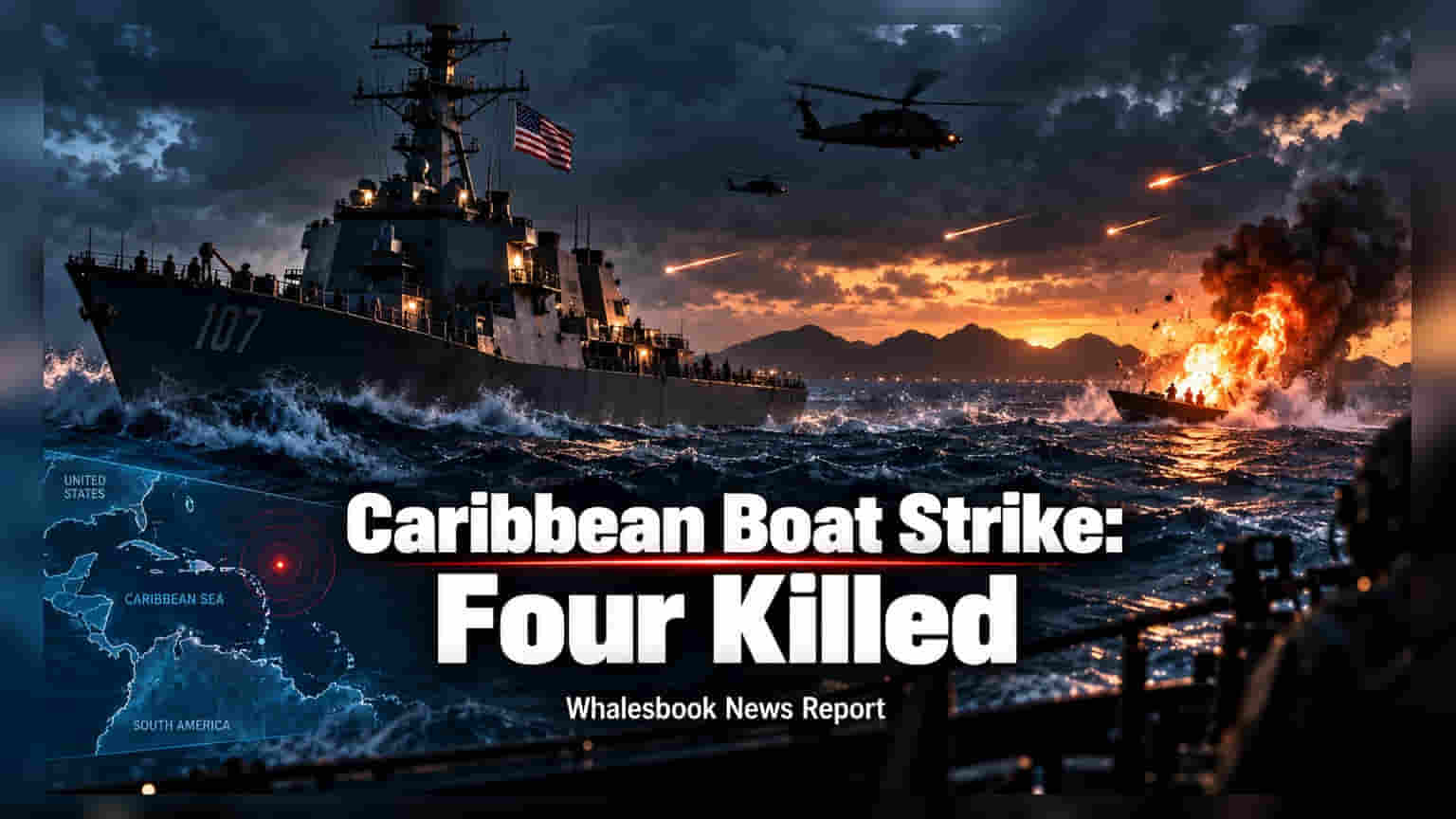
A US military strike in the Caribbean on Saturday resulted in four deaths, continuing an ongoing anti-narcotics maritime campaign. The offensive has led to over 230 deaths since it began, while diplomatic efforts to expand operations into Latin American nations face growing resistance.
On Saturday, a United States military operation in the Caribbean Sea resulted in the deaths of four individuals. The U.S. Southern Command described the engagement as an action along established maritime smuggling routes, though the mission has drawn attention due to a lack of immediate public evidence confirming the targeted vessel was carrying illicit cargo.
This incident is part of a broader anti-narcotics strategy initiated nearly a year ago under the Trump administration, aimed at targeting groups designated as narcoterrorists. Official records indicate that this offensive has resulted in at least 231 deaths across 69 maritime strikes to date, spanning the eastern Pacific and the Caribbean. While the administration maintains that these kinetic engagements are essential for curbing the influx of narcotics, the recurring lack of verified intelligence regarding the specific targets has led to criticism regarding transparency.
Defense Secretary Pete Hegseth is currently pursuing efforts to extend these operations beyond international waters to include joint military missions on sovereign soil in countries such as Colombia, Guatemala, and Honduras. This regional expansion, however, is encountering diplomatic hurdles. Guatemala has publicly denied the existence of any agreement that would permit such operations within its territory, highlighting the geopolitical complexity of Washington's current regional strategy. This push follows the precedent established by similar missions conducted in Ecuador earlier in March.
For investors, the significance of these developments lies in the potential for increased geopolitical tension within the Latin American region. When military operations expand or involve diplomatic friction with sovereign nations, it can affect regional stability and create uncertainty for cross-border trade. As the U.S. continues to push for operational access, the ability of host countries to maintain domestic stability while balancing these security requests becomes a key factor. Market participants typically watch these diplomatic disagreements as they can influence the reliability of supply chains, the predictability of business environments in key commodity-producing regions, and the overall cost of trade within the Americas.