

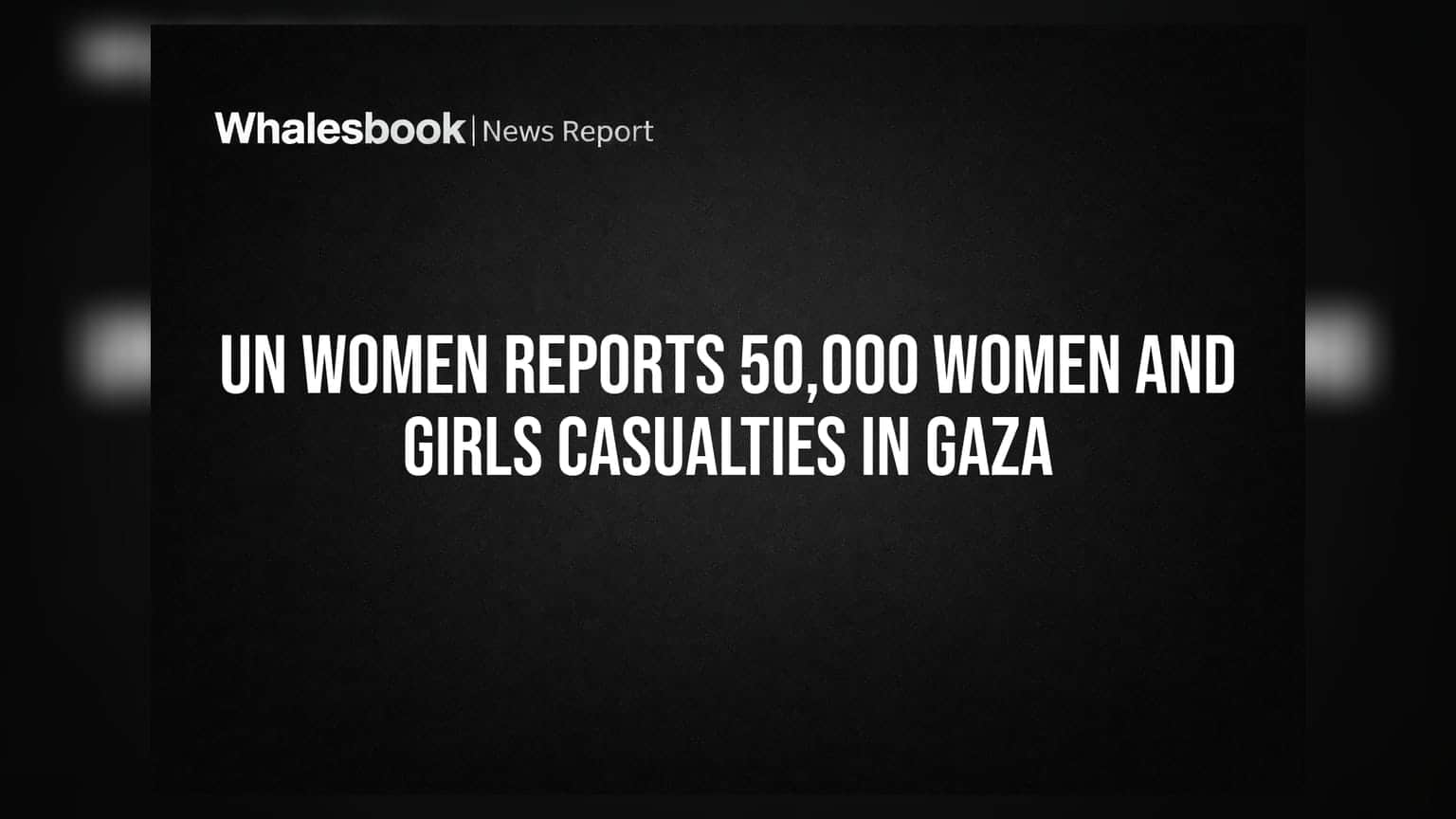
UN Women data shows nearly 50,000 women and girls in Gaza have been killed or severely injured since October 2023. This escalating humanitarian crisis contributes to regional instability, which remains a factor for Indian investors monitoring global oil prices, currency volatility, and potential shifts in foreign institutional sentiment.
The humanitarian crisis in Gaza has reached a severe stage according to recent data from UN Women. The report indicates that approximately 50,000 women and girls have either been killed or sustained permanent, life-altering injuries since the conflict began in October 2023. This figure underscores the immense human cost of the ongoing regional instability, which has resulted in widespread displacement and the collapse of local support systems.
Beyond the immediate humanitarian impact, the demographic structure of the region has seen significant shifts. Nearly one million women and girls have been forced to leave their homes due to the conflict, and a growing number of families are now headed by women who struggle to access food, sanitation, and medical care. The report highlights that reproductive health outcomes have deteriorated significantly, with rising health risks and projections of severe food insecurity affecting hundreds of thousands of people in the latter half of 2026.
For Indian market participants, prolonged geopolitical tensions in the Middle East often act as a macroeconomic risk factor. The Indian economy, which relies significantly on imported crude oil, remains sensitive to developments that could disrupt supply chains or lead to price spikes in the global energy market. While the stock market does not react directly to individual casualty reports, persistent instability in a key oil-producing region can influence market sentiment, inflation expectations, and currency stability.
Investors typically monitor such geopolitical events for potential ripples in global trade and foreign capital flows. Heightened uncertainty often leads to increased volatility in emerging market equities as global investors reassess risk premiums. The situation in Gaza, given its ongoing nature, continues to be a point of reference for analysts tracking the broader stability of the Middle East, which remains a critical external variable for Indian economic performance.