

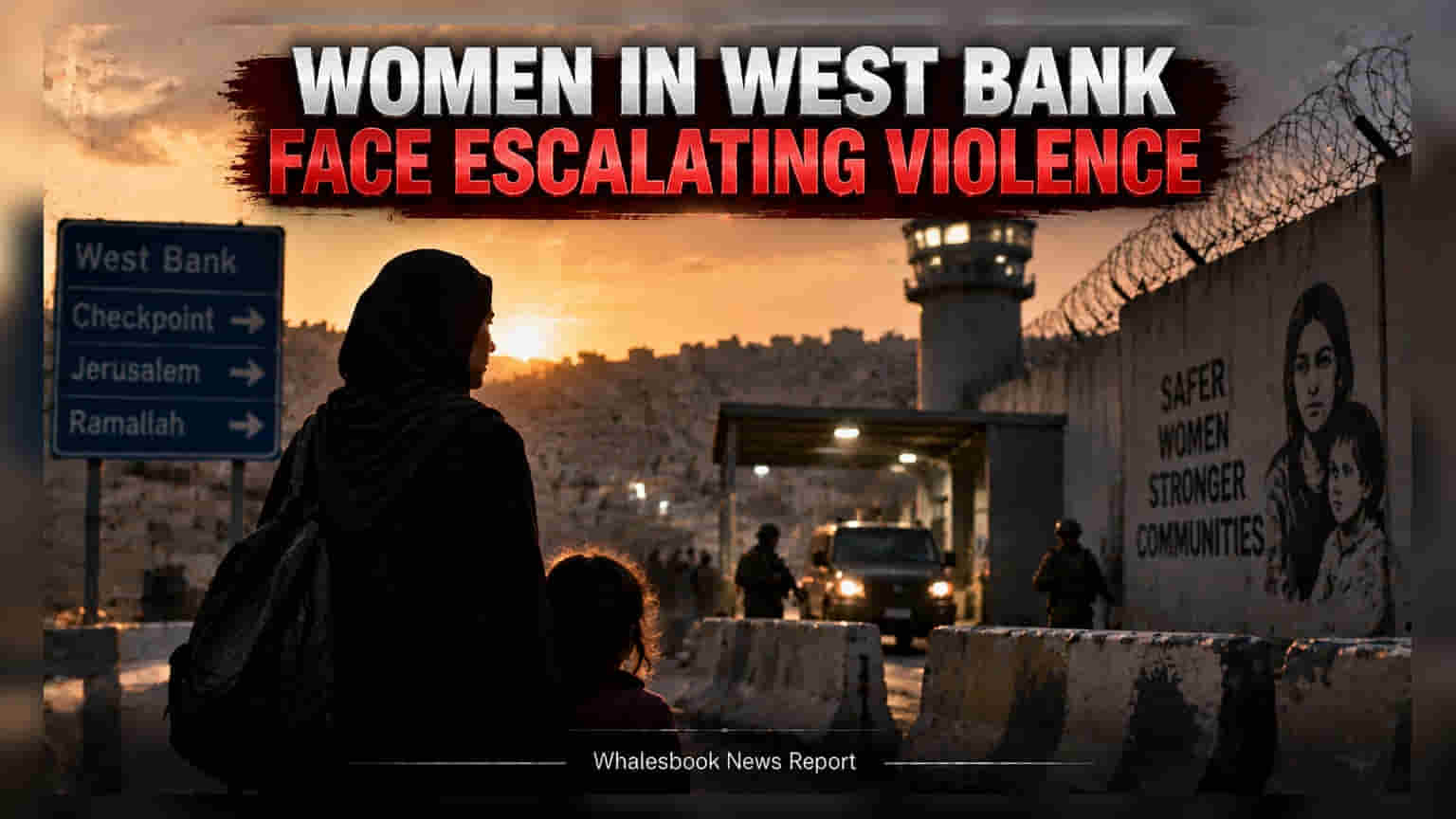
A new report from UN Women reveals that 40% of female-headed households in the West Bank have been displaced, significantly higher than the rate for male-headed families. With movement restrictions at a two-decade high, these families are facing acute food insecurity and economic hardship.
A new analysis released by UN Women in September 2026 underscores a deepening humanitarian crisis for women and girls in the occupied West Bank. The report, which draws on survey data from 800 households across 11 governorates, reveals that female-headed households are facing disproportionate levels of displacement and economic strain compared to their counterparts.
According to the findings, 40% of households headed by women have been forced to leave their homes, a figure notably higher than the 30% displacement rate recorded for male-headed households. As of July 2026, the report highlights that over 20,000 women and girls have been displaced as part of a broader trend affecting more than 41,500 people in the region.
Impact of Movement Restrictions
The deterioration in living conditions is closely linked to a historic rise in movement restrictions. The analysis documents 925 physical obstacles, such as checkpoints, road barriers, and trenches, which represents a 20-year high. These barriers have severely hampered the ability of households to access essential services, including healthcare, education, and humanitarian aid.
For the 83,200 households headed by women—which account for one in eight of all households in the West Bank—these obstacles have resulted in critical limitations on mobility. Nearly 90% of those surveyed stated that the checkpoints make them feel unsafe, while 57% expressed fear of potential arrest during daily commutes.
Economic and Social Consequences
The economic burden on women-headed families has intensified as a result of these restrictions. Many families are reporting a sharp decline in income and are increasingly relying on borrowing to meet basic needs. Food insecurity has become a primary concern, with many households forced to skip meals to manage limited resources.
Beyond economic pressure, the report flags increased vulnerability to gender-based violence, with one in five women-headed households reporting specific fears regarding their safety. The psychological toll, coupled with the ongoing uncertainty surrounding the welfare of children and potential legal risks, is placing extreme stress on these families.
Monitoring the Humanitarian Outlook
The findings point to a critical need for sustained humanitarian support. For observers monitoring the situation, the key indicators moving forward will be the continued accessibility of basic resources and the potential for changes in the current infrastructure of movement restrictions. The report emphasizes that without a shift in the current environment, female-headed households remain at a higher risk of prolonged poverty and displacement.