

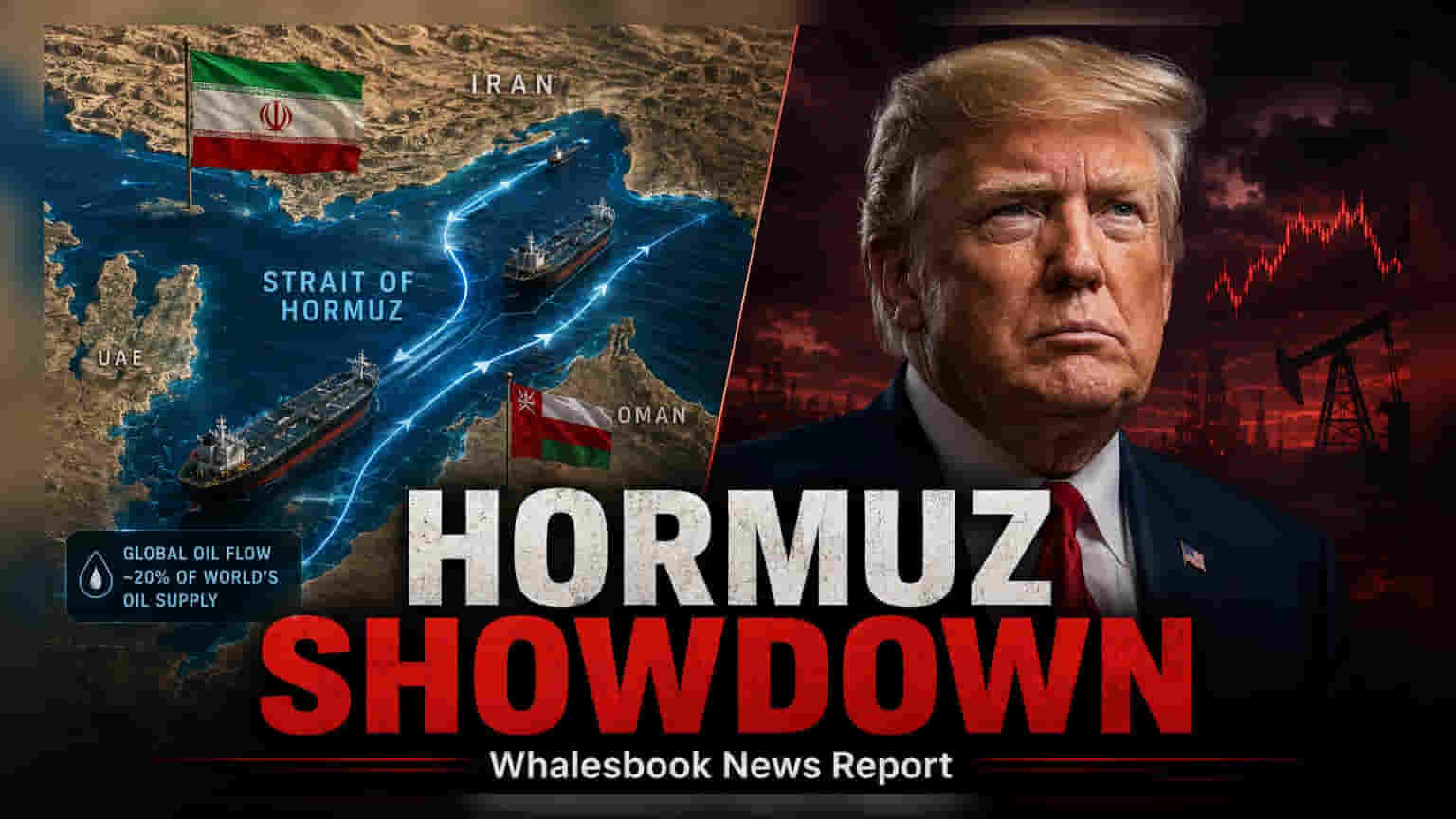
Negotiations between the U.S. and Iran regarding the Strait of Hormuz have ended without a resolution, while Iran and Oman move to finalize a joint shipping plan. U.S. President Donald Trump has issued a warning to Oman, raising concerns over potential interference in the critical waterway. Investors may monitor energy prices and shipping insurance costs as this geopolitical situation unfolds.
A joint plan between Iran and Oman to regulate shipping traffic through the Strait of Hormuz is nearing completion, even as tensions in the region remain elevated. This development follows the expiry of a 60-day diplomatic negotiation period between the United States and Iran, which concluded without a formal peace agreement or resolution to ongoing disputes regarding the waterway.
U.S.-Oman Diplomatic Stance
The situation has been complicated by public comments from U.S. President Donald Trump, who issued a direct warning to Oman. The President indicated that the United States would take necessary action if Oman acts in a way that obstructs U.S. positions in the region. This warning underscores the fragile nature of current diplomatic relations and the potential for increased military or political pressure in the Persian Gulf.
Impact on Energy and Shipping
The Strait of Hormuz is globally significant as one of the most vital chokepoints for crude oil and liquefied natural gas. A large percentage of the world’s daily oil supply travels through this passage. Any change in transit management, especially in an environment of political disagreement, can lead to increased risk for commercial vessels. For the financial markets, the primary area of sensitivity is the energy sector. Rising tensions in this region historically lead to increased volatility in global oil prices and can cause a spike in marine insurance premiums for ships traversing the area.
Monitoring the Situation
For investors, the immediate monitorables include any shifts in the U.S.-Oman diplomatic dialogue and official updates regarding the joint Iran-Oman shipping framework. While the potential for disruption is a concern, the market impact will likely depend on whether these geopolitical threats lead to actual restrictions on shipping. Investors should track movements in global oil benchmarks and shipping freight rates, as these are the most direct indicators of how the market is pricing the risk of transit delays or increased costs in the region.