

The Trump administration has appealed to the US Supreme Court to remove judicial roadblocks that currently delay deportations to third-party nations. The government aims to bypass lower court orders that require safety assessments for migrants. This move highlights a major legal clash over the limits of executive power versus judicial protections for non-citizens.
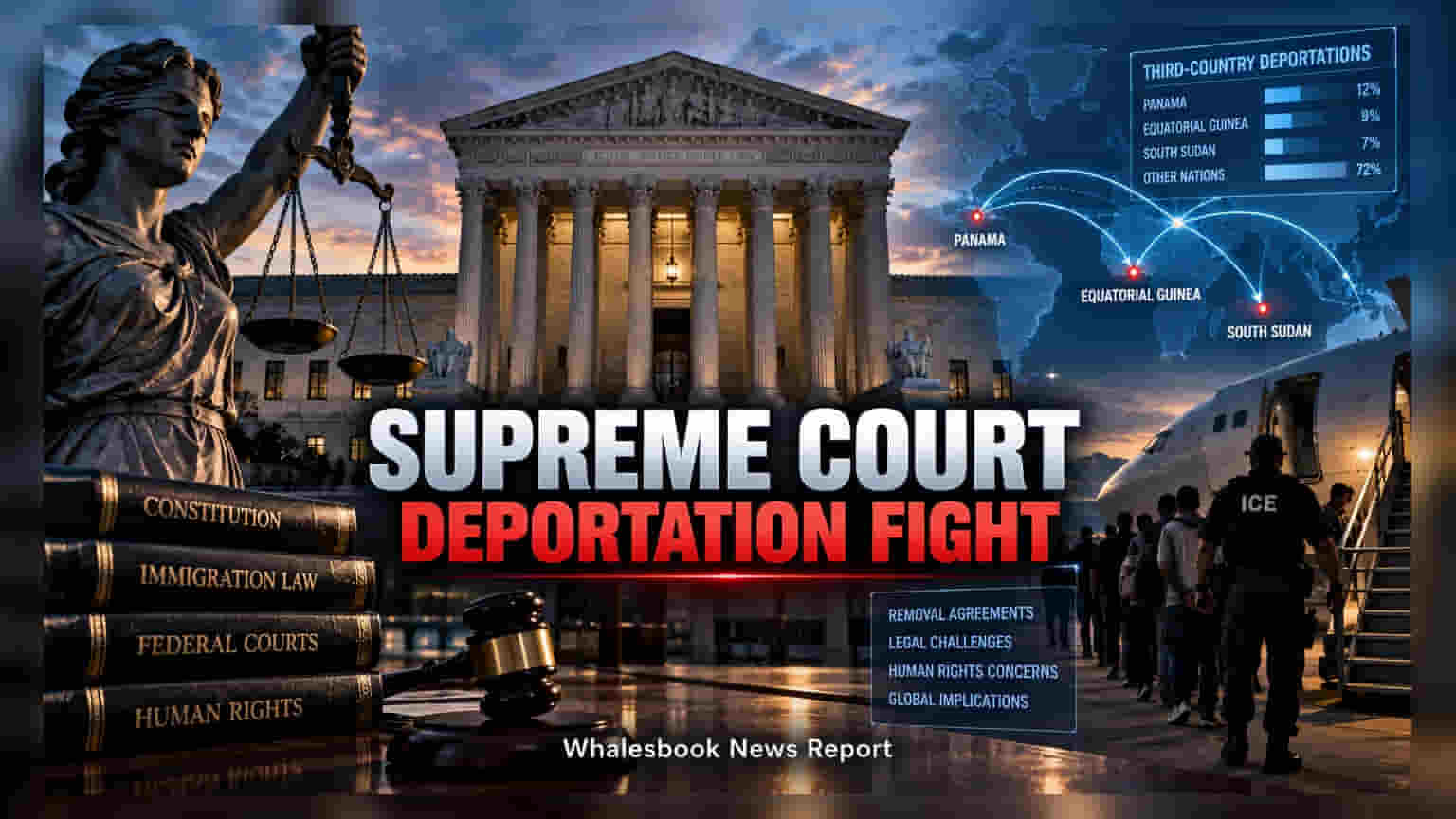
The Trump administration has formally asked the United States Supreme Court to intervene in a legal dispute concerning the removal of immigrants to third-party nations. Currently, federal lower court rulings require officials to provide migrants with a formal opportunity to argue that they might face torture or persecution if sent to these countries. The administration argues that these judicial requirements create unnecessary delays, effectively paralyzing the implementation of removal agreements established with nearly two dozen nations, including Panama, Equatorial Guinea, and South Sudan.
The government’s core argument is that these legal hurdles create operational friction and force officials to maintain custody of individuals even when removal agreements are already in place. The Department of Justice has stated that these delays have led to the cancellation of scheduled deportation flights, including a recent flight that was intended to carry individuals with criminal convictions. The administration maintains that these partner countries provide sufficient safety assurances, making the additional court-mandated reviews redundant and burdensome for federal resources.
However, the proposed changes face significant opposition from legal advocates and human rights organizations. These groups have documented claims of mistreatment, including reports of physical abuse and detention in poor conditions for deportees arriving in certain third-party nations. The Supreme Court is now tasked with balancing the executive branch's push for efficient, swift border enforcement against the constitutional protections upheld by lower courts, which are designed to prevent the potential exposure of individuals to severe harm abroad.
For international observers, this case is significant as it sets a major precedent for how the US government manages judicial oversight in immigration matters. While this specific legal action targets third-country removals, the broader policy climate regarding US immigration enforcement is closely watched for its impact on international relations and diplomatic agreements. Any significant change in US border enforcement protocols can ripple across global policy discussions, influencing bilateral relations with the nations involved in these removal pathways. The Supreme Court's eventual decision will determine whether the administration can move forward with a more expedited removal process or if it must continue to adhere to the rigorous review standards previously set by the judiciary.