

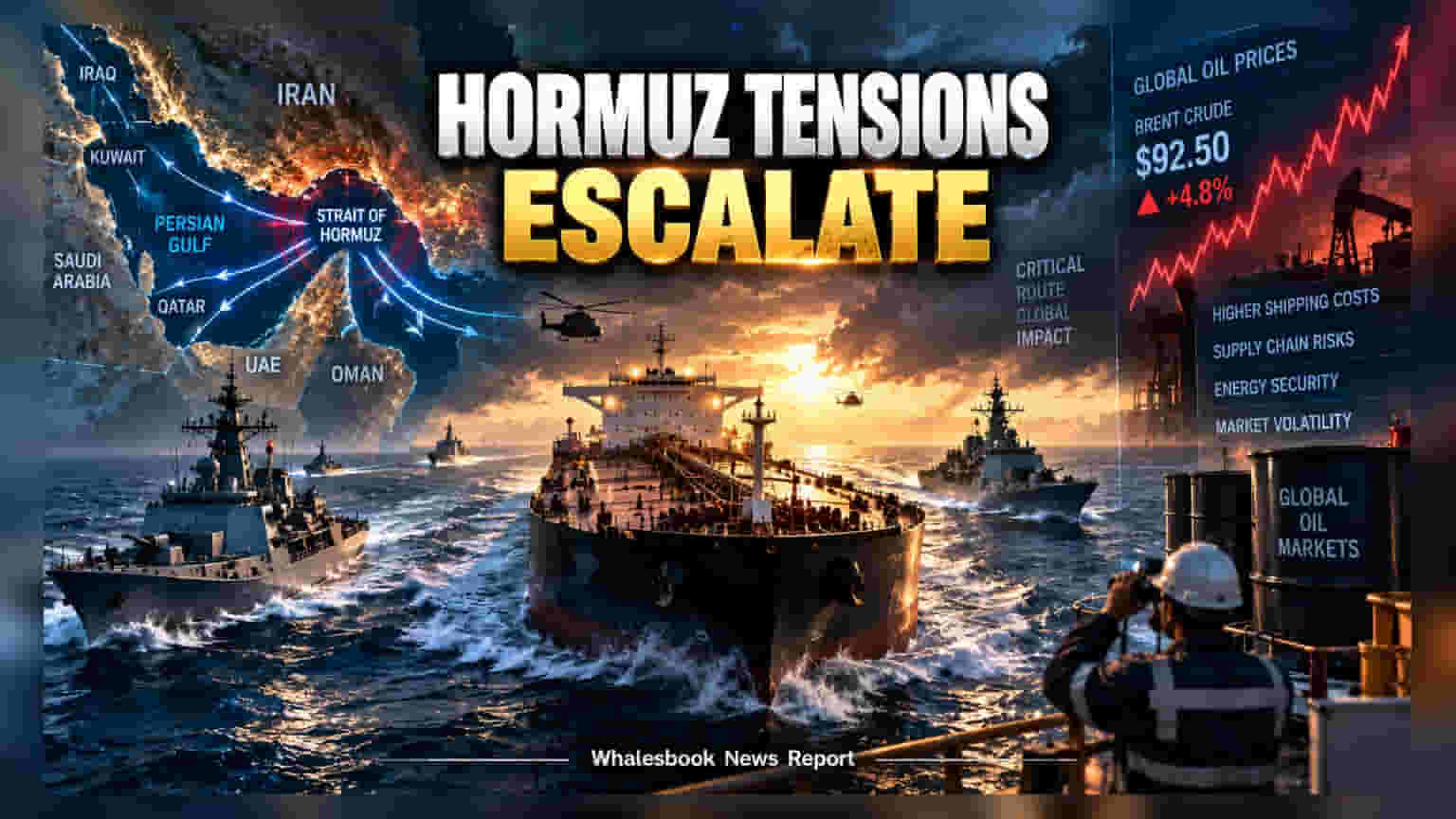
A reported tanker strike in the Strait of Hormuz has intensified global energy supply concerns. With a significant portion of India’s crude oil imports transiting through this route, the development may impact freight costs and insurance premiums for shipping companies. Investors will monitor crude oil price volatility and the potential effect on oil marketing companies.
A reported strike on a tanker in the Strait of Hormuz has triggered fresh concerns regarding the security of one of the world's most critical energy transit corridors. Iran reported the incident, involving a Togo-flagged vessel, alleging unauthorized passage through the waterway. While independent confirmation remains limited, the event has spotlighted the geopolitical volatility surrounding Middle Eastern shipping lanes.
For the Indian energy sector, the Strait of Hormuz represents a crucial chokepoint. A large majority of India’s crude oil and liquefied natural gas (LNG) imports transit through this narrow passage. Any sustained disruption or heightened security risk in this region can have direct implications for energy security and economic costs.
The incident has raised questions about potential impacts on maritime operations. Shipping companies often face higher insurance premiums, known as war risk surcharges, when navigating areas with elevated conflict profiles. Such cost increases, if prolonged, can affect the operating margins of shipping firms like the Shipping Corporation of India or Great Eastern Shipping. Conversely, fluctuations in crude oil prices driven by supply-chain anxiety typically influence the performance of Indian oil marketing companies, which manage the pricing of retail petroleum products in the country.
In response to regional tensions, South Korea has announced plans to review an expansion of its naval presence to protect its commercial vessels, specifically distancing itself from direct participation in the broader US-Iran conflict. This development highlights the proactive stance nations are taking to ensure trade continuity as maritime security incidents continue to be reported, including a separate event near Oman.
Investors should track global oil price benchmarks and updates on shipping freight rates. Sustained instability may impact input costs for various industries, and market sentiment toward energy-dependent sectors may remain sensitive to further developments in the region.